



Table of Contents
- Navigating the Depths of Heartbreak
- Understanding the Science of Recovery
- Nurturing Transformation with Self-Compassion
- Steps Toward Personal Transformation
- Rediscovering Self and Identity
- Building Emotional Resilience
- A Fresh Start Lies Ahead
Navigating the Depths of Heartbreak
It’s 2 a.m., again. You’re wide awake, and scenes of your relationship are playing on repeat in your mind—the laughter, the affectionate whispers, even those trivial arguments that seemed annoying then but now… they’re almost cherished. As the night deepens, so does the quiet, amplifying every pulse of your aching heart until each beat echoes the void of what’s been lost. Heartbreak—it’s as personal as it is universal, an experience most of us endure yet never fully understand until we’re in the throes of it.
Think about it. A breakup often feels like an uncharted journey, a trek down a shadowed path with no map in sight. Emotions crash over you like waves—grief, anger, betrayal, loneliness. Each one knocks you off balance, yet they’re essential in their own twisted way. These feelings may be profound and, dare I say, valid?
“Breakups can evoke a grief comparable to mourning.”
— Dr. Sarah Chen, Clinical Psychologist, NYU
This realization is not merely academic; it’s crucial—a step toward healing.
First, permit yourself to grieve. Emotional pain isn’t just in your head; it seeps into your bones, manifests in pounding headaches, lost appetite, even chest pains. According to the American Psychological Association, this is your body’s way of screaming for attention—it’s stress, transformation, demanding you hit the pause button and tend to your wounds.
Understanding the Science of Recovery
The brain doesn’t discriminate between emotional and physical pain—it registers both similarly. No wonder heartbreak slams us so hard. Science Daily backs this up, revealing why such agony feels without end. Yet, here’s the silver lining: that very pain holds the potential for growth.
Truth be told, the brain’s chemical landscape faces upheaval, needing time to find equilibrium again. The oxytocin and dopamine that danced through the romance must recalibrate, freeing you from the chains of attachment.
“It’s like rebooting an emotional system—daunting, yes, but vital for self-acceptance and rebirth.”
— Dr. Sarah Chen, Clinical Psychologist, NYU
Nurturing Transformation with Self-Compassion
Once you’ve let those emotions swirl, the next step is self-compassion—perhaps a cliché but fundamental nonetheless. Maya, at 28, turned to writing when her marriage ended. Her journal became a haven, where she poured out regret and dreamed of a future sans the anchor of her past.
Maya’s story, as it happens, is not an anomaly. Studies underscore self-compassion’s role in recovery.
“Treat oneself with kindness amid personal failures.”
— Dr. Kristin Neff, Self-Compassion Researcher
It’s about forgiving, accepting, seeing your pain as a thread weaving you into the human tapestry shared by many.
Steps Toward Personal Transformation
But how to embrace change without crumbling? Here’s a roadmap, albeit without guarantees:
- Forge New Routines: Lost love leaves a void. Deliberately fill it with enriching ventures—yoga, painting, hiking. These are not just distractions; they infuse life with meaning. Exercise boosts endorphins, those incredible mood enhancers.
- Reconnect with Your Circle: Lean on friends and family—they are your anchors. They’re living proof of love’s myriad forms.
“Social connections elevate oxytocin, which in turn reduces stress.”
— Dr. Sarah Chen, Clinical Psychologist, NYU
- Digital Distance: Watching your ex through the lens of social media? Don’t. Research indicates that this digital voyeurism deepens despair. Control your narrative—mute, unfollow, do what it takes.
- Seek Professional Counseling: Therapy isn’t a last resort—it’s a refuge for processing emotions. A therapist offers tailored strategies, turning the seemingly insurmountable into something doable. The APA vouches for therapy’s efficacy in navigating emotional storms.
Rediscovering Self and Identity
Breakups might shatter your identity, yet they also present a unique chance for self-reflection. A doorway to rediscover who you were before—and who you want to be. It’s facing a blank canvas, terrifying yet exhilarating.
Reflect on what you love. Who are you beyond this chapter?
“The post-breakup period is fertile ground for exploration.”
— Dr. Sarah Chen, Clinical Psychologist, NYU
Regard the end not only as closure but as the beginning—your prologue in the evolving tale of personal growth.
Building Emotional Resilience
Healing’s path is winding. Resilience is less about evasion and more about riding those emotional waves. As the Mayo Clinic suggests, resilience means embracing change and fostering a realistic outlook.
Set small goals—tiny victories that bolster spirit and purpose. Be it mastering that new dish or achieving a fitness aim, accomplishments feed resilience—they fuel your self-worth.
A Fresh Start Lies Ahead
As you wade through the muck of recovery, remember—healing is profoundly personal. It doesn’t erase the past, but integrates it, equipping you for new connections, challenges. In time, you’ll feel ready to open your heart—this time not necessarily to another, but to possibilities that honor your reshaped self.
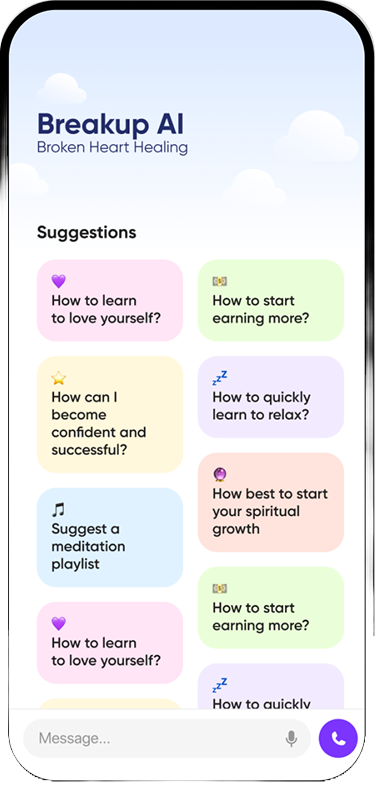
If these words have found their mark, you’re not alone—support is within reach. Consider Breakup.one, an AI-assisted recovery ally, offering guidance on your transformative journey. Start your healing today.
Key Takeaways
- Allow yourself to grieve; it’s a valid and necessary process.
- Practice self-compassion to aid emotional recovery.
- Build new routines and social connections for support.
- Consider professional counseling as a resource.
- Embrace the opportunity for self-discovery post-breakup.
The Bottom Line
Healing is a journey that requires time, compassion, and the courage to embrace change. While heartbreak can feel isolating, it opens the door to new beginnings and personal growth. You have the strength to forge ahead and reshape your narrative.