



Table of Contents
- Understanding Heartbreak
- The Science of Self-Care
- Embrace a New Morning Ritual
- Nurturing Emotional Wellness
- Engage the Mind
- Consciously Process Emotions
- Connection and Support
- Nourishing the Body
- Redefine Your Space
- Cultivate Gratitude
- Forward-Looking Closure
- Closing Empowerment
Key Takeaways
- Heartbreak triggers emotional pain similar to physical pain, affecting your sense of self.
- Self-care is rooted in science and crucial for emotional recovery.
- Engaging in new routines and nurturing your body can aid in healing.
- Processing emotions through journaling and support networks facilitates personal growth.
- Fostering gratitude shifts focus from loss to appreciation, promoting healing.
Understanding Heartbreak
Before diving into practical strategies for healing, let’s pause to recognize that heartbreak is far from a poetic notion or a trivial affliction. The American Psychological Association points out that the emotional distress of a breakup triggers the same brain regions involved in physical pain. No wonder the agony feels so raw, almost tangible. It’s not just a partner you’re losing; it’s the future you had painted in vibrant colors.
“Heartbreak usually encompasses a profound identity crisis. You’re grieving both the person and the life you shared with them.”
— Dr. Sarah Chen, Clinical Psychologist, NYU
The Science of Self-Care
Let’s talk self-care. It’s not about indulgence or superficial distractions. It’s rooted in science, offering tangible means to buttress your emotional health during turbulent times. Daily self-care routines trigger neurotransmitters like dopamine and serotonin—key players in mood regulation. Imagine these actions as lighthouses, guiding you through heartbreak’s thick fog towards some semblance of equilibrium.
Embrace a New Morning Ritual
Maya, 28, speaks candidly of her post-divorce mornings:
“Waking up felt like diving into a sea of emptiness.”
— Maya
To mend, she created a new morning ritual. No need for drastic changes, just small, positive habits that foster predictability and security. Maybe start with gentle stretching or a few minutes of yoga. Research from the National Institutes of Health shows yoga enhances stress resilience and significantly reduces depression symptoms. Even a brief morning routine can help ground your emotions and focus your thoughts.
Nurturing Emotional Wellness
Might I suggest a digital detox? It can work wonders on a broken heart. Endless scrolling through social media only amplifies feelings of inadequacy—especially when your ex’s life pops up in your feed.
“Taking social media breaks protects your emotional scars from painful comparisons.”
— Dr. Ethan Kross, University of Michigan
Set specific times for online engagement and slowly reduce them. Fill the void with uplifting books, music, or documentaries that inspire hope and resilience. They act as both a distraction and a gentle nudge towards potential growth beyond the shadow of your past relationship.
Engage the Mind
Another self-care pillar is cognitive challenge. Dive into new subjects, pick up skills, or learn a language—redirect your mental energies towards growth. Harvard studies suggest keeping the brain engaged can enhance mental health resilience and delay cognitive aging. These pursuits fuel the mind’s innate curiosity, becoming both therapy and a foundation for future self-discovery.
Consciously Process Emotions
There’s a difference between feeling emotions and truly processing them. Bottling up your feelings can lead to an emotional standstill and delayed healing.
“Allow yourself to grieve; acknowledgment prevents emotional numbness.”
— Dr. Sarah Chen
Journaling serves as an invaluable tool here. It enables you to articulate and confront your feelings. Studies have shown that expressive writing can relieve stress and improve emotional health. Let the pen flow freely, and you might discover clarity in those ink-stained pages.
Connection and Support
Humans are innately social, and maintaining connections is vital self-care. Surround yourself with supportive family and friends. These bonds provide perspective and comfort, filling the void of lost companionship with unconditional love. If reaching out proves difficult, explore support groups or therapy. Professional help can offer personalized strategies for turning heartbreak into personal growth. As Maya found through therapy, her pain became a chapter of growth rather than an end.
Nourishing the Body
During heartbreak, appetite and diet often take a hit. Yet, nutritional eating is essential for maintaining energy and mood. Incorporate whole foods rich in complex carbs, proteins, and omega-3s. These nutrients bolster brain health and foster emotional stability. Hydration is just as crucial. Drinking water not only clears physical toxins but supports your healing journey, aiding overall vitality.
Redefine Your Space
Emotional turmoil often calls for reclaiming your personal environment. You don’t need a complete home makeover, but consider subtle changes like reorganizing or adding new decor. These transformations symbolize and encourage new beginnings. After her breakup, Maya painted her bedroom in warm hues and sprinkled in some green plants, turning her space into a comforting oasis—a reminder of potential and new paths forward.
Cultivate Gratitude
In heartbreak’s shadow, gratitude might seem like a foreign concept. Yet, it’s incredibly powerful. Studies reveal that practicing gratitude significantly boosts psychological well-being. Start by jotting down three things each day that bring a flicker of thankfulness. Whether grand or small, these entries gently shift focus from loss to appreciation, creating an inner climate ripe for healing.
Forward-Looking Closure
Think of closure not as the final page but an evolving journey. Envision a new narrative, explore fresh possibilities. In constructing a future brimming with potential, you craft a chapter rooted in freedom, self-awareness, and empowerment. The path of emotional recovery is challenging yet transformative. Through intentional self-care, you’re not just healing but reclaiming joy, stepping forward one mindful move at a time, proving the remarkable resilience of the human spirit.
Closing Empowerment
As you move forward, remember that your healing process is unique. Grant yourself patience, empathy, and the space to rediscover your vibrant self. You possess great resilience, and with each intentional act of self-care, you affirm your courage to rebuild and re-embark on your personal journey filled with optimism.
The Bottom Line
Heartbreak is a challenging journey that can lead to profound personal growth. By prioritizing self-care, embracing emotional processing, and nurturing social connections, you can navigate through the pain and emerge stronger. Remember to be gentle with yourself and take each step forward at your own pace.
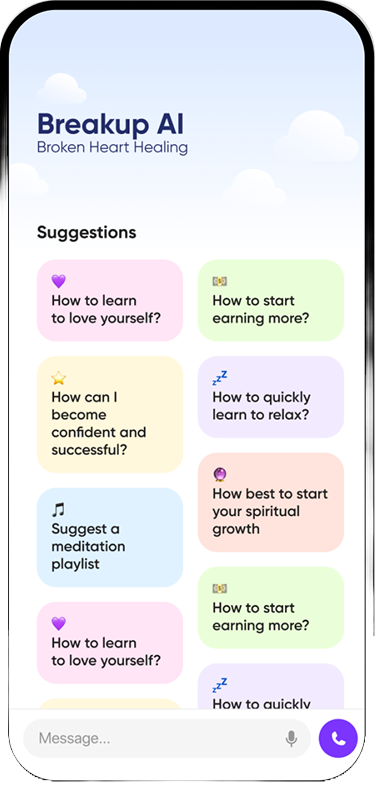
**Unlock your healing potential with Breakup.one’s AI-powered recovery tool. For guided emotional support and growth programs, start your journey at Breakup.one.**
References
- American Psychological Association
- National Institutes of Health
- Harvard Health Publishing
- Centers for Disease Control and Prevention
- Greater Good Science Center