

Table of Contents
- Understanding the Emotional Impact
- The Healing Power of Acceptance
- Allow Yourself to Grieve
- Finding Support and Connection
- Rebuild Your Identity
- Embrace Self-Care Rituals
- Reframing Your Narrative
- Setting New Intentions
- Moving Forward
Key Takeaways
- Breakups invoke intense emotions that are akin to withdrawal symptoms.
- Acceptance is a crucial first step in the healing process.
- Allowing yourself to grieve is important for proper emotional processing.
- Finding supportive relationships can help in navigating post-breakup life.
- Rebuilding your identity and reframing the relationship narrative can foster personal growth.
On a chilly autumn day, Emma found herself sitting at her kitchen table, clasping a warm mug of chamomile tea, the steam swirling and twirling in the air—a soft dance that mirrored the fading memories of her past relationship. The breakup text haunted her phone screen: “I think we should break up.” Words so simple yet powerful, they changed everything. As Emma stared blankly out the window, an ache gnawed at her chest. How does one truly move on after heartbreak?
Breakups can leave emotional debris much like a hurricane leaves destruction—it’s chaotic and, more often than not, takes months or even years to find order again. Letting go post-breakup may seem straightforward, yet the road is riddled with emotional peaks and valleys. It’s not about erasing. Oh no. It’s about shifting focus, reclaiming your worth, and marching on toward healing.
Understanding the Emotional Impact
When a relationship ends, it’s as if the mind goes through withdrawal symptoms reminiscent of addiction. A study from the Journal of Neurophysiology even likens the regions activated in the brain to those triggered by physical pain. Interesting, isn’t it?
“You might find yourself stuck in loops of sadness, denial, or anger,”
— Dr. Sarah Chen, Psychologist at NYU
Recognizing these emotions as temporary and part of the journey toward healing is crucial. It’s somehow comforting to know that this is a typical reaction. It’s your brain, after all, recalibrating after heavy emotional investment. And yes, these feelings—though intense—will eventually fade.
The Healing Power of Acceptance
Acceptance is perhaps the first real step in letting go. It can be terrifying though, accepting what has happened. The tendency is to resist because the pain feels too immense. Yet, neglecting this emotion dulls healing. Rethink acceptance not as surrender, but as making peace with reality—acknowledging life as it is, without the what-ifs.
“Acceptance doesn’t necessitate liking what occurred. It’s more about recognizing your reality without constantly opposing it.”
— Dr. Robert Harris, Relationship Counselor
Where to begin? Take small steps. Allow yourself to feel, sans judgment. Find difficulty here? Consider mindfulness practices like meditation. Apps like Headspace guide you through acceptance and self-compassion journeys.
Allow Yourself to Grieve
Grief’s place in the process cannot be understated. It demands recognition and respect. When Maya, age 28, faced her divorce, she thought her emotions were “too much.” In time, she realized grieving is personal. The weight of lost dreams and the envisioned future with a partner demands proper mourning.
Understanding the stages of grief—denial, anger, bargaining, depression, acceptance—can help one navigate the emotional tumult. These stages aren’t sequential, but they offer insights into one’s emotional world.
Finding Support and Connection
In the turbulent waters of post-breakup life, leaning on friends and family provides a lifeline. Yet, not everyone resonates—some dismiss your feelings. So, choose wisely whom you confide in.
“Find those who listen judgment-free. Surround yourself with people who uplift, rather than drain your mental energy.”
— Dr. Sarah Chen, Psychologist at NYU
Isolation, or a lack of connection with close ones, might steer you toward therapy or support groups for comfort. According to the American Psychological Association, cognitive-behavioral therapy works well in addressing negative patterns linked to breakup distress.
Rebuild Your Identity
Life often merges when partners intertwine. Rediscovering who you are outside the relationship becomes a pivotal step. Reignite interests left behind or rekindle hobbies once cherished.
Create a vision board, journal your path to self-discovery. Questions like “What brings me joy?” or “What values matter now?” help guide this journey toward post-relationship clarity.
Embrace Self-Care Rituals
Self-care can seem cliché post-breakup when motivation is at its ebb. Yet, tending to the body profoundly lifts the spirit. Studies reveal how regular self-care combats stress, depression, and anxiety.
Start with nurturing routines. Regular walks in nature, indulging in a long bath, or experimenting with new recipes. Emma found solace in yoga, each pose a metaphor for balancing peace within chaos.
Reframing Your Narrative
An effective way to move forward is reframing the relationship narrative. It’s tempting to dwell on regrets or “what might have been,” but focus instead on learned lessons and personal growth.
When Maya reevaluated her past relationship, she saw it as a stepping stone, a chapter teaching her resilience and clearer boundaries.
Journaling this reframing can be cathartic. Write a letter to your past self, or recount your story, viewing the relationship not just through loss but through gratitude for lessons learned.
Setting New Intentions
Once the emotional dust settles, set fresh intentions for the future. Start small; grandeur isn’t necessary right now.
“Set goals that emphasize growth, not perfection,”
— Dr. Robert Harris, Relationship Counselor
Whether it’s new career explorations or merely reading a monthly book, gradual changes foster empowerment. Think of intentions like seeds. With time, patience, and care, they flourish into aspirations and new strengths.
Moving Forward
Healing isn’t linear. Setbacks happen. Remember, the path of letting go is unique for everyone. Give yourself grace during relapses, knowing they too, will pass.
Erasing memories isn’t the aim. Letting go is about loosening the past’s grasp on your heart, making room for new experiences.
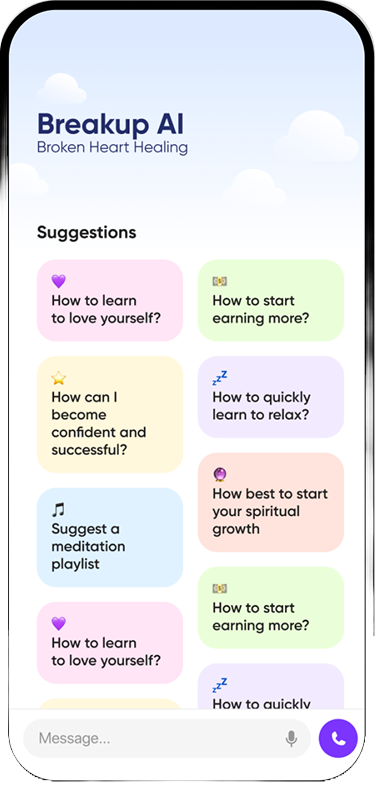
In need of compassionate support through your breakup? Consider Breakup.one—an AI-powered ally offering personalized plans and round-the-clock emotional support. Visit Breakup.one.
The Bottom Line
Letting go post-breakup is transformative. Choosing this path is choosing healing, love, and a future bursting with purpose and joy.
References
- Journal of Neurophysiology
- American Psychological Association
- Mayo Clinic