



Table of Contents
- Understanding the Depth of Heartbreak
- The Science of Self-Care
- Rebuilding Mindfulness and Routine
- Nurturing the Body
- Cushioning Emotional Turbulence
- Reviving Social Connections
- The Final Steps Toward Inner Peace
- Summary & Call to Action
Key Takeaways
- Heartbreak triggers both emotional and physical pain, making self-care essential for recovery.
- Mindfulness practices can significantly reduce anxiety and enhance emotional well-being.
- Nurturing the body through exercise and nutrition aids in emotional recovery.
- Social connections are crucial; lean on friends and explore new communities for support.
- Self-care is a gradual journey toward inner peace and happiness.
Understanding the Depth of Heartbreak
Consider Maya, a 28-year-old woman who recently traversed the emotionally turbulent road of divorce. For her, the emotional upheaval felt akin to losing a part of herself. Heartbreak isn’t just painful; it’s devastatingly shattering. Research from the Journal of Neurophysiology highlights that during a breakup, our brains process the experience as akin to physical pain—the same neural regions activate as when you accidentally touch a scorching flame.
“Heartbreak often represents a multi-layered loss—not just of a partner but of the dreams, rituals, and sense of security you shared,”
— Dr. Sarah Chen, Clinical Psychologist
Recognizing these feelings as legitimate and allowing yourself the grace to mourn them is crucial, without shame or self-reproach.
The Science of Self-Care
Before diving into how to practice self-care, let’s first ponder why it’s crucial following a heartbreak. Self-care is more than just a fad; its importance is backed by solid research. As noted by the American Psychological Association, engaging in regular self-care activities can lessen stress, elevate mood, and even enhance immune function. The mind and body, shaken by heartbreak, need grounding practices to guide you back to a serene state.
Rebuilding Mindfulness and Routine
Mindfulness: Your Daily Anchor
Mindfulness, a tool both simple and profound, offers grounding through the turmoil. Mindfulness-based stress reduction (MBSR), a practice developed by Jon Kabat-Zinn, has proven effective in diminishing anxiety, according to findings from Harvard Health.
A modest start is what Dr. Karen Holt, a licensed mindfulness-based therapist, suggests.
“A mere five minutes of concentrated breathing each day can dissipate mental clutter. It’s akin to enveloping your mind in a gentle, compassionate embrace.”
— Dr. Karen Holt, Mindfulness-Based Therapist
Structure Through Routine
Amid the chaos of heartbreak, sticking to a routine can be immensely stabilizing. The term “Sankofa,” from Ghana’s Akan language, embodies the idea of returning to retrieve wisdom from the past—an ideal metaphor for rebuilding routine after upheaval.
Begin with elemental habits:
- Regularize your sleep cycle,
- Heed your body’s hunger cues, and
- Set time aside for rest.
As per the National Institute of Health, this predictable pattern can reinstate stability and control.
Nurturing the Body
With your heart under siege, tending to your physical self becomes pivotal. Mayo Clinic experts stress that self-care means listening to your body and responding gently, a necessary step to restoring equilibrium.
Movement as Medicine
Exercise emerges as a potent remedy for heartache. A study from the American Heart Association emphasizes that regular physical activity releases endorphins while reducing cortisol, the hormone tied to stress. How about incorporating a brisk walk or a yoga session into your routine? When Maya committed to morning jogs, she discovered solace in the rhythm, each step a meditative beat that helped her mind wander—and start to heal.
Nutrition for the Soul
The food choices you make matter profoundly. Dr. Emera Davies advises a nutrient-rich diet featuring omega-3s, lean proteins, and intricate carbohydrates.
“Consider it sustenance for your brain’s recovery,”
— Dr. Emera Davies, Nutrition Expert
Integrate meals like salmon, walnuts, and whole grains to uplift your spirit and reign in erratic emotions. The gut-brain axis has been extensively studied, illuminating how sustenance impacts emotion.
Cushioning Emotional Turbulence
Journaling: A Safe Harbor
Writing in a journal becomes an intimate dialogue with yourself, easing confusion and fear. Dr. James Pennebaker’s research at the University of Texas finds that expressive writing diminishes depressive symptoms and enhances emotional processing.
Maya turned to journaling to navigate her emotional turmoil, her entries weaving together a narrative of self-compassion and discovery.
Therapeutic Support: Seeking Compassionate Guidance
There is no ignominy in attending therapy. Therapists create a safe space where one can truthfully explore emotions. Cognitive-behavioral therapy (CBT), showcased by National Institute of Mental Health research, offers essential coping tools and fosters resilience.
“Therapists provide not only healing resources but a pathway to thrive post-heartbreak, helping fashion an optimistic future.”
— Dr. Sarah Chen, Clinical Psychologist
Reviving Social Connections
It’s tempting to isolate following heartache, yet rebuilding your social network can redefine self-conception.
Rekindling Old Friendships
Amidst loss, old friendships can serve as a comforting touchstone. A meta-analysis in the Psychological Bulletin reveals that social support is closely tied to recovery from emotional trauma.
Reaching out to those who know you deeply can fortify self-worth and provide solace.
Exploring New Communities
Encounters in novel social settings can spark transformation. Whether through a literary circle, dance class, or community project, these interactions present novel perspectives.
Maya, by joining a hiking group, found more than new trails; she found camaraderie that reignited curiosity and vitality.
The Final Steps Toward Inner Peace
Recollecting your inner tranquility is not a sprint—it’s a meandering journey. Count each gentle step as progress. Surround yourself with affirmations of your innate strength and capacity for love and joy.
This gentle odyssey of self-care is about reconnecting with your vibrant essence, deserving as you of happiness and fulfillment.
Let the glow of healing guide you toward brighter days, where your heart pulsates with potential and your spirit beams with peace.
Summary & Call to Action
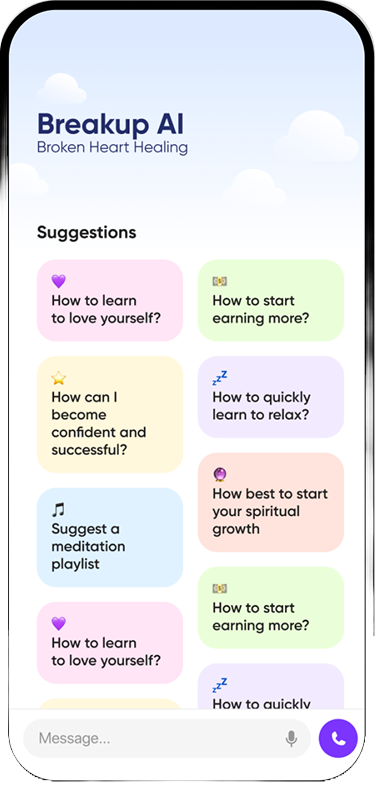
Heartbreak is not just an emotional detour; it’s a profound overhaul of your internal landscape. Yet, through mindful self-care, creative resilience, and nurturing relationships, it’s possible to retake the reigns of inner peace. Ready to continue this journey with tailored support? Consider Breakup.one, your AI-powered companion for healing and growth. Embrace a world where heartbreak becomes a stepping stone to serenity.
The Bottom Line
In the face of heartbreak, embracing self-care provides a pathway to healing. With mindfulness, community support, and nurturing practices, you can flourish and find inner strength again. Remember, each step in your journey matters, and you are deserving of happiness and peace.