



Table of Contents
- The Aftermath: Understanding the Emotional Impact
- Phase 1: Allowing Yourself to Grieve
- Phase 2: Understanding Attachment and Letting Go
- Phase 3: Rebuilding Self-Identity
- Phase 4: Cultivating Forgiveness
- Phase 5: Building a Support Network
- Forward Momentum: Moving On with Grace
Key Takeaways
- Grieving is essential for emotional healing after a breakup.
- Understanding your attachment style can aid in recovery and self-discovery.
- Rebuilding self-identity involves rediscovering passions and setting personal goals.
- Forgiveness is a liberating process that promotes emotional well-being.
- A supportive network enhances resilience and fosters healing.
The Aftermath: Understanding the Emotional Impact
Take Maya, 28, for instance. She suddenly found herself single after a long-lasting relationship ended, leaving her world spinning with questions like, “What did I do wrong?” and “Will I ever love again?” It’s a tale as old as time. The National Institutes of Health once published a study showing that the psychological distress post-breakup can be quite severe, mimicking depression symptoms.
“Acknowledging these feelings is crucial because they’re valid.”
— Dr. Sarah Chen, Clinical Psychologist, NYU
Despite the heartache, there’s a path to emotional healing — if we’re willing to tread it.
Phase 1: Allowing Yourself to Grieve
The instinct may be to dull the sting of your emotions, to turn away from grief. But avoiding it? It often just prolongs the suffering. Remember Elizabeth Kubler-Ross’s five stages of grief? Acceptance and emotional processing are key steps toward healing.
Why It Works: Grieving processes the emotional loss, gradually reducing stress hormones like cortisol and building emotional resilience.
How to Grieve Effectively:
- Acknowledge Your Feelings: Pen a letter to yourself, or let art express what you’re going through. Externalizing emotions helps in understanding and processing them.
- Set Boundaries: Define social and physical boundaries to guard against self-sabotaging behaviors. Maybe mute those mutual friends’ updates, or archive those old text messages.
- Seek Safe Spaces: Support groups or forums can be invaluable — sharing your story and hearing others’ can be surprisingly cathartic.
Phase 2: Understanding Attachment and Letting Go
Reflecting on why your past relationship mattered can be awakening. Dr. Amanda Lunn, a seasoned relationship therapist, emphasizes knowing your attachment style for clarity.
“How we connect with partners, and our path to recovery often hinge on it.”
— Dr. Amanda Lunn, Relationship Therapist
Why It Works: Research reveals secure attachment can build resilience, while tackling insecure attachments fast-tracks healing.
How to Let Go:
- Attachment Assessment: Delve into your attachment style using trusted online tools or therapy sessions.
- Affirmation Practice: Infuse your internal dialogue with affirmations like, “I am worthy of love and happiness.”
- Mindfulness Meditation: Dive into deep breathing to anchor yourself in the present, rather than drifting to past shadows.
Phase 3: Rebuilding Self-Identity
Kaleb’s story might resonate—he faced a self-identity crisis after his three-year relationship hit the rocks. Our relationships tether aspects of ourselves; losing that connection can mean feeling lost.
Why It Works: Engaging in self-discovery aids in re-establishing a concept of self, sparking personal growth and emotional mending.
How to Rebuild Self-Identity:
- Rediscover Passions: Rediscover hobbies that once brought you joy. Maybe it’s strumming a guitar or signing up for that dance class.
- Keep a Journal: Chronicle your journey with a journal. Reflecting on your aspirations can illuminate your new post-breakup self.
- Set Goals: Define both short and long-term goals. Each accomplishment reinforces self-worth and purpose.
Phase 4: Cultivating Forgiveness
Understand this — forgiveness doesn’t imply endorsing hurtful actions, but it does liberate you from emotional shackles.
“Forgiving your ex — and crucially, yourself — reclaims emotional territory.”
— Dr. Julianna Harris, Forgiveness Researcher, Harvard
Why It Works: Studies link forgiveness with reduced anxiety and depression levels.
How to Cultivate Forgiveness:
- Empathy Exercises: Try understanding your ex’s stance. It’s not about excusing the hurt but about releasing the resentment with understanding.
- Self-Forgiveness Rituals: Jot down errors you wish to forgive yourself for, then destroy or release the paper. It’s both symbolic and therapeutic.
Phase 5: Building a Support Network
The right people around you can mean the difference between stagnation and progress. Healing in an environment rich with empathy and support is incredibly potent.
Why It Works: Social connections can fortify mental health and recovery by enhancing a sense of belonging and self-esteem.
How to Build a Support Network:
- Reach Out to Friends and Family: Confide in those who truly prioritize your well-being.
- Therapeutic Support: Consider therapy — an unmatched setting to navigate emotions and learn coping strategies.
- Online Communities: Engage with online platforms centered on breakup recovery for broader support.
Forward Momentum: Moving On with Grace
Once the emotional storm of a breakup subsides, it’s crucial to peer beyond it with optimism. Moving on doesn’t require erasing memories; it’s integrating past experiences to enrich your worldview.
“Future joy and love are within reach.”
— Dr. Sarah Chen, Clinical Psychologist, NYU
Even when progress seems sluggish, your resilience is fortified each day. Embracing pain, rekindling self-love, and nurturing relationships lay the groundwork for a life filled with greater love — both for yourself and those around you.
The Bottom Line
Navigating emotional healing post-breakup involves grieving, understanding attachments, redefining identity, nurturing forgiveness, and crafting a supportive network. Trust your journey — it’s uniquely yours.
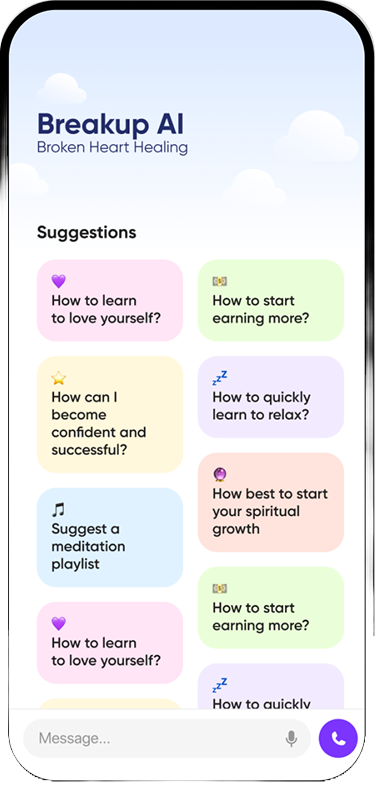
Looking for ongoing support in breakup recovery? Check out Breakup.one for round-the-clock emotional support and structured healing programs.