



Table of Contents
- Understanding the Impact of Heartbreak
- The Role of Self-Care in Healing
- Physical Self-Care: Healing the Body
- Emotional and Mental Self-Care: Tending to Your Heart
- Social Self-Care: Rebuilding Connections
- Spiritual Self-Care: Reconnecting with Purpose
- A Forward-Looking Healing Journey
Key Takeaways
- Heartbreak triggers a grieving process that impacts emotional and physical well-being.
- Self-care is a crucial pathway to rebuilding happiness and emotional balance.
- Practices such as mindfulness, exercise, and seeking support are essential in the healing process.
- Creative expression and reconnecting with nature can significantly enhance emotional resilience.
- Don’t hesitate to seek professional help to navigate complex emotions effectively.
Understanding the Impact of Heartbreak
Maya, 28, still recalls the whirlwind of emotions that overtook her after her divorce.
“I felt like a live wire—grief-stricken but also angry and lost.”
— Maya, Heartbreak Survivor
For many, heartbreak activates neural pathways that can be likened to physical pain. Stress hormones like cortisol surge, leaving us not only emotionally drained but physically impacted as well. It’s not just an emotional issue; it’s physiological, leading to tiredness, insomnia, and even a compromised immune system.
Dr. Sarah Chen, a psychologist at NYU, says heartbreak can morph into what feels like an existential crisis for some.
“People often see it as a personal shortcoming, which damages self-esteem.”
— Dr. Sarah Chen, Psychologist
Grasping heartbreak’s profound effects is a crucial part of navigating towards healing.
The Role of Self-Care in Healing
Forget the cliché of self-care as mere pampering; it’s really about consciously valuing your own well-being. A National Institutes of Health study found that routine self-care can notably enhance stress management and build resilience. The evidence is compelling: self-care nurtures neural changes that cultivate happiness and peace, unveiling the brain’s potential to restore its emotional balance bit by bit.
Why Self-Care Matters
Endorphins and serotonin — these chemical messengers of joy and calm — don’t just appear magically. Instead, they are fostered through deliberate self-care practices, rebuilding those mental pathways over time.
How to Practice Self-Care
Starting with baby steps can make a huge difference:
- Embrace Mindfulness: Mindfulness, regularly practiced, is golden. Harvard Health Publishing highlights its potential to slash stress while bolstering emotional resilience. Even five minutes of morning meditation or deep breathing could be your anchor in turbulent seas.
- Reclaim Your Routine: Establish rituals that bring you happiness—a morning coffee ritual, perhaps, or an evening walk. These predictable routines can help steady the emotional waves.
Physical Self-Care: Healing the Body
After a crushing heartbreak, taking care of your physical form might feel insignificant, yet it’s fundamentally where healing can germinate and blossom. Bodily care impacts your emotions, and vice versa, creating a beautifully reciprocal process.
Exercise and Nutrition
Exercise is a surefire boost for endorphins, lifting moods naturally. According to the Mayo Clinic, just 30 minutes of brisk walking can help lower symptoms of depression and anxiety. Match this with a balanced diet rich in omega-3s and antioxidants to nourish both brain and body.
Sleep Hygiene
Sleep isn’t just rest; it’s regeneration. Pre-sleep calming activities, like indulging in a good book or soaking in a warm bath, can enhance sleep quality. The CDC suggests adults aim for 7-9 hours of nightly rest to support mental health.
Emotional and Mental Self-Care: Tending to Your Heart
Here’s the deal: Your emotions, tangled as they may be, can actually be the very key to deeper self-understanding.
Therapeutic Outlets
Therapy provides a refuge where exploring feelings is met with understanding, not judgment. Cognitive Behavioral Therapy (CBT) is one trusted path toward reframing negative mental patterns. It can help you ride the chaotic waves of this emotional tempest.
Creative Expression
If words fail, let creativity speak. Activities like painting, writing, or even dancing can offer cathartic release. The American Art Therapy Association purports that these creative outlets can fortify emotional resilience.
Social Self-Care: Rebuilding Connections
Heartbreak often makes one feel trapped in isolation, yet nurturing your social connections can be an indispensable ingredient in the healing recipe.
Reach Out to Support Networks
Sometimes a listening ear is all you need to lighten the load. Julie, who’s 31, finds comfort in her intimate circle of friends.
“We share weekly dinners, and it’s in their presence that I am continually reminded of who I am outside of the broken relationship.”
— Julie, Heartbreak Survivor
Open up to trusted companions, those who remind you of your intrinsic worth.
Set Boundaries
Connecting is crucial, but so is safeguarding your energy against unhealthy dynamics. Dr. Chen points out that setting boundaries might be the ultimate form of self-care — it’s essential for reclaiming any lost sense of self.
Spiritual Self-Care: Reconnecting with Purpose
Mindfulness blooms into spirituality when you engage in practices that revitalize your purpose and sense of connection with the majestic world around you.
Nature Therapy
Natural settings are rejuvenating. According to Harvard’s School of Public Health, immersion in the great outdoors reduces anxiety and encourages awe.
Reconnect with Your Values
Reflection on personal values and dreams can reignite a sense of direction. Spend moments in contemplation about what genuinely matters, preparing your compass for the future.
A Forward-Looking Healing Journey
Crippled by heartbreak as you may feel today, this phase, ideally steeped in self-care, could eventually morph into a tapestry of profound growth. Caring for yourself day by day reveals an inner reservoir of strength once hidden.
Picture this: emerging like a phoenix from the ashes. Each self-care choice becomes an unapologetic commitment to future joy, sculpting a life enriched through transformative endurance.
Heartbreak doesn’t define you. You are complete, valuable, forever evolving.
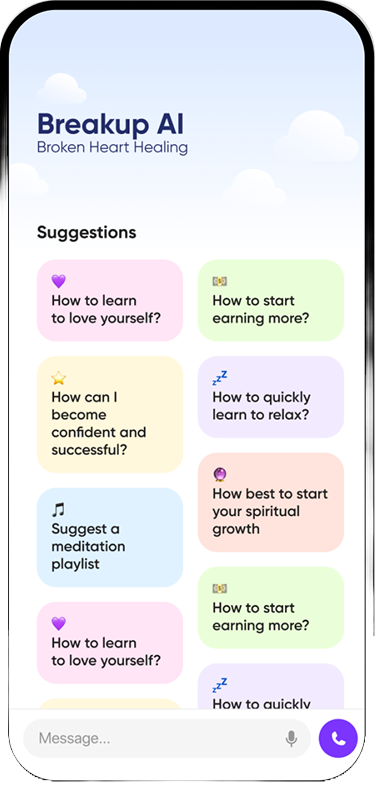
And remember, you don’t have to take this journey alone. For 24/7 emotional support and guided healing, consider using Breakup.one, your AI-powered heartbreak recovery partner. It’s crafted to support your healing every single step of the way.
The Bottom Line
With loving self-care and daily dedication to your own well-being, you’ll not only renew your spirit—you’ll redesign your entire cosmos, ready to greet new beginnings with an unguarded heart.
References
- American Psychological Association
- National Institute of Mental Health
- National Institutes of Health
- Harvard Health Publishing
- Mayo Clinic
- Centers for Disease Control and Prevention
- American Art Therapy Association
- Harvard School of Public Health