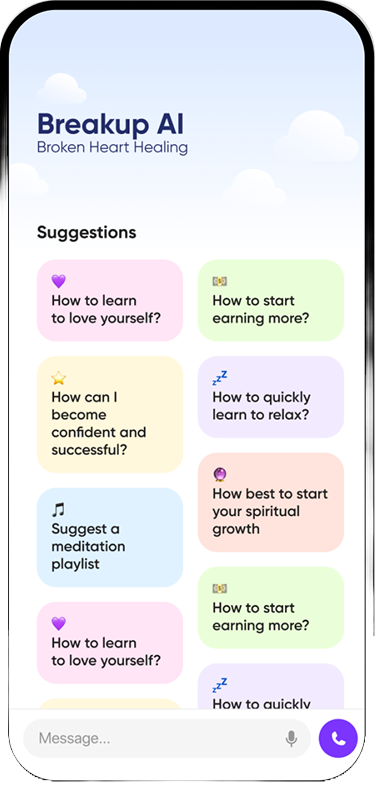




You typed their name into your phone, hovered over send, and then did that small, heroic thing: you locked the screen and slid it under a pillow like a sleeping animal. The silence throbbed. There’s an ache in the chest that memes about no contact never quite capture, a private pressure that makes the room feel smaller. If you’re here, you’re not posturing as “strong.” You’re simply human—and the quiet between you and your ex now echoes with all the words you wish you could say.

Table of Contents
Key Takeaways
- No contact works by reducing triggers and allowing your nervous system to recalibrate.
- Stabilize your body first—sleep, hydration, gentle movement—to steady your mind.
- Use micro-boundaries and rituals to ride urges without acting on them.
- Rebuild identity through small wins: connection, competence, and consistent routines.
- Support and structure make the hard days survivable—and progress accumulates.
Why No Contact Feels Impossible—and Why It Works
It’s tempting to believe one call would steady the nerves. That’s not weakness; it’s biology. Heartbreak flips on stress responses that rattle sleep, appetite, and focus. The American Psychological Association has long described grief as a cyclical, disorienting state that alters both mood and thinking. Your attachment system, exquisitely tuned to connection, registers absence as a problem to be solved. So it reaches—check their profile, text something “polite,” ask a mutual how they’re doing.
Here’s the sober case for holding the line. Rumination—those mental loops that replay conversations and could-have-beens—is strongly linked to depressive symptoms; interrupting it requires both space from triggers and new inputs. No contact is the interruption. It reduces the tiny bursts of reinforcement that keep the craving alive and lets your nervous system recalibrate. In my view, it’s less about virtue than chemistry.
“Your brain expects the person you attached to, and when the pattern disappears, you feel withdrawal. No contact lowers the ‘dose’ of that person, so your brain can relearn safety without them. It’s not punishment; it’s rehabilitation for your attachment system.”
— Dr. Lena Ortiz, Licensed Clinical Psychologist
The First 72 Hours: A Compassionate Stabilization Plan
Those first days can feel like free fall—gravity without a net. The work is pragmatic: steady the body first, then the mind. It’s not glamorous, but it is effective.
- Hydrate, eat, and sleep on a schedule. Basic on purpose. A dysregulated body magnifies emotional pain. Aim for 7–9 hours and anchor sleep/wake times even if nights are fitful at first.
- Move your body in gentle ways. Short walks, light strength work, or dance breaks are mood stabilizers. Use 10–20 minute blocks to keep it doable.
- Practice a daily calm-down ritual. Ten minutes of mindfulness or slow breathing helps the nervous system shift out of high alert.
Why this works: your body and brain are in continuous dialogue; when you downshift one, the other can follow. Think of it as giving grief a safer room to move through.
Micro-Boundaries That Carry You Through Urges
Urges to text arrive like weather fronts. They crest, stall, and pass—if you give them time. Twenty minutes is often enough.
- Create an if-then card: If I want to text, then I will do 20 slow breaths + a 10-minute walk + text a friend instead. Keep it in your notes app.
- Temperature shift: Splash cold water on your face or hold an ice pack for 30 seconds. It’s a fast physiological reset—primitive, and reliable.
- The 24-hour letter: Write the message you want to send, and put it aside for a day. Reread with a cooler head. Nine out of ten become journal entries, not texts.
“Craving is not a command. It’s a wave. The more you practice not obeying it, the shorter and gentler those waves become.”
— Jamal Rivers, LMFT
Social Media Hygiene for a Calmer Mind
Algorithmic drip-feeds are no contact’s quietest saboteur. If one update unravels your day, that isn’t fragility; it’s human attention trying to do its job in a noisy room. Try this for 30 days:
- Mute, unfollow, or restrict—temporary measures, not moral judgments.
- Delete the apps that pull you into loops when your guard is down.
- Curate a recovery feed: nature, humor, music, pets. Small buffers, real relief.
- Park the phone in another room during your surge windows (mornings, late nights).
What to Do With All the Feelings You’re Not Texting
No contact isn’t just abstaining—it’s redirecting. You’re metabolizing grief, and you’re rebuilding identity, sometimes hour by hour.
- Ritualize the pain. Light a candle for ten minutes each night. Name one memory you’re releasing and one quality you’re keeping.
- Journal with structure. Prompts: “What did I need that I wasn’t getting?” “What would I tell a friend in my shoes?” Structured writing steers you toward meaning rather than spin.
- Reclaim micro-joys. Keep a “2% list” of small, repeatable lifts: sun on your face, mint tea, clean sheets, that one piano track on loop.
When Maya, 28, went through a divorce in 2021, evenings were the danger zone. She built a ritual: tea, five minutes of stretching, one page of journaling, and texting her cousin a sunset photo. “I still cried,” she told me, “but I didn’t text him. The crying moved through me instead of swallowing me.” That’s progress, the slow kind I trust most.
Rebuilding Your Days: Identity After Us
No contact is brutal in part because it’s not only the person you miss—it’s the imagined future. The task now is gentle reconstruction.
- Make a one-week experiment plan. Choose three anchors: a physical anchor (walk at lunch), a social anchor (Wednesday dinner with a friend), a creative anchor (30 minutes with a hobby).
- Say yes to borrowed belonging. A class, a rec league, a volunteer shift, a library workshop—steady, in-person connection regulates the nervous system.
- Move toward competence. Learn a tiny skill you can complete this week—knife skills, a new coffee brew, a short language lesson. Competence restores self-trust.
Why this helps: mastery and connection counter the helplessness of heartbreak. Exercise, in particular, reduces stress and improves sleep. It’s repair by repetition, not revelation.
What If You Have to Communicate—Children, Leases, Work?
Sometimes “no contact” becomes “necessary contact only.” You still protect yourself by narrowing the lanes.
- Use a single channel. Email or a co-parenting app. Logistics only.
- Script your template. Three sentences: the fact, the request, the deadline. Remove warmth, blame, nostalgia. Boring on purpose.
- Time-box replies. Check and respond once daily at a set hour.
- Third-party handoff. When needed, rely on a mediator or trusted friend for exchanges.
“Set a calendar block called ‘Logistics’ and never handle messages outside it. That way, emotional life and admin life don’t constantly contaminate each other.”
— Dr. Priya Narang, Clinical Psychologist
If You Slipped and Contacted Them
Slips happen. One lapse doesn’t define your trajectory.
- Interrupt the shame spiral. Shame fuels more contact seeking. Name it: “I slipped. I’m human.”
- Recommit with a reset ritual. Delete the thread, take a brisk 10-minute walk, and text your accountability buddy: “Back to no contact.”
- Learn the trigger. Was it loneliness, alcohol, late-night scrolling? Add one new guardrail for that situation.
Healing Your Body to Help Heal Your Heart
Your body is the stage where grief performs. Treating it kindly is not superficial; it’s the foundation.
- Sleep: Protect a consistent window so your brain can regulate mood.
- Movement: Aim for steady, moderate activity across the week; the goal is rhythm, not records.
- Mindfulness and breathing: Short daily practice trains attention away from loops and lowers physiological arousal.
This is where consistency quietly outperforms intensity. Let your body do its slow work.
Don’t Do It Alone: The Right Kind of Support
You deserve witnesses who hold your story without trying to fix it in five steps.
- Build a three-person support pod. Ask two friends and one family member to rotate check-ins for a month. Be explicit: you’re building scaffolding.
- Professional help. A therapist offers a container if grief feels unmanageable, symptoms drag on, or you share ongoing ties with your ex.
- State your needs. Give your pod a script: “Please don’t attack my ex. I need reminders to choose no contact and invitations to get outside.”
“Support is medicine. It’s a way to borrow regulation from other nervous systems until your own steadies.”
— Dr. Lena Ortiz, Licensed Clinical Psychologist
A Pocket Plan for Peak Trigger Moments
Copy this into your notes app. When the urge spikes, move through it in order:
- 1) Name the feeling: “I feel anxious and lonely.”
- 2) Breathe: 4-6 breathing for two minutes (inhale 4, exhale 6).
- 3) Move: 20 squats or a quick walk to the mailbox.
- 4) Replace: Send the message you wish you could send to your ex to your support buddy instead.
- 5) Soothe: Tea, shower, or light a candle for 10 minutes.
This is how to get over a breakup without breaking no contact in practice: one contained wave at a time.
Case Study: The Quiet Heroism of Day 29
When Dani, 31, blocked her ex, the silence felt like a cliff. She muted every platform, asked her sister to be her “no contact buddy,” and turned evenings into ritual time—yoga video, shower, journal, bed. On Day 13, she looked at his tagged photos. On Day 14, she deleted the app and recommitted. By Day 29, she told me, “I still miss him. But now the missing doesn’t boss me around.” That’s the arc I trust. Not instant joy—earned self-respect.
Your Inner Script: Replacing Fantasy With Reality
There’s a well-worn story in your head right now: if I reach out, we could fix this. Try a counter-script based on facts—what actually happened, what you actually felt. When your brain pitches the fantasy, read the reality. It reframes reaching out from hope to self-abandonment, which is the heart of why no contact works.
Create a Visible Promise
Write a one-sentence promise and post it where you’ll see it: “I choose no contact to protect my peace.” Every time the urge rises, read it out loud. You’re not depriving yourself; you’re choosing yourself. That distinction matters.
Why You Can Trust Time—Even If You Don’t Feel It Yet
Neuroplasticity isn’t just a lab word; it’s your brain’s quiet superpower. With repeated, small choices, you teach your neural pathways new expectations. That’s how to get over a breakup without breaking no contact: not a grand gesture, but hundreds of modest, brave ones that rewire your days. The pain softens. The cravings shrink. Your capacity for joy returns—yours, not borrowed.
If This Sounds Hard, It’s Because It Is
You’re not failing because you still want to text. You’re healing because you don’t. You’re not behind because you cried in the grocery aisle. You’re human because you did—and then made yourself dinner anyway. Keep going. Your future self is already grateful.
A Gentle Checklist to Keep on Your Fridge
- Daily: sunlight, movement, water, a real meal, 10 minutes of mindful breathing
- Triggers: no late-night scrolling, mute/limit mutuals, phone in another room after 10 p.m.
- Support: text your pod once a day; schedule one in-person plan a week
- Ritual: evening wind-down (tea, shower, journal)
- Script: if-then plan for urges; 24-hour letter rule
- Boundaries: logistics-only channel if needed; time-box responses
- Reset: if you slip, interrupt shame, recommit, add a guardrail
The Bottom Line
No contact isn’t about deprivation—it’s about nervous system rehab. Stabilize your body, reduce triggers, and build tiny routines and supports that carry you through urges. Progress is quiet but cumulative, and your self-respect grows with every wave you ride.
Summary + CTA
You can learn how to get over a breakup without breaking no contact by caring for your body, taming triggers, structuring your days, and borrowing support until your nervous system steadies. When urges surge, ride the wave—do not obey it. Healing is cumulative, and it has already begun. For round-the-clock support, guided programs, and a gentle nudge when you need it most, try Breakup.one. Begin here: https://breakup.one/
Expert quotes in this article are from interviews conducted by HeartMend.
References
- American Psychological Association — Grief
- Centers for Disease Control and Prevention — How Much Sleep Do I Need?
- Centers for Disease Control and Prevention — How Much Physical Activity Do Adults Need?
- National Center for Complementary and Integrative Health — Mindfulness Meditation: What You Need To Know
- National Center for Complementary and Integrative Health — Relaxation Techniques: What You Need To Know
- Harvard Health Publishing — Rumination: When thinking becomes a problem
- Mayo Clinic — Exercise and stress: Get moving to manage stress
- U.S. Department of Health and Human Services, Office of the Surgeon General — Our Epidemic of Loneliness and Isolation