



Table of Contents
- The Shatter of Self-Worth: Why It Happens
- Understanding the Impact: Breakup Pain and Self-Worth
- The Science of Rebuilding Self-Worth After a Breakup
- Building Steps Toward Healing
- Moving Forward With Confidence
The Shatter of Self-Worth: Why It Happens
When a meaningful relationship dissolves, it’s rarely just about lost love—more often, it erodes our very sense of self-worth.
“Our self-worth can become enmeshed with how our partners perceive us.”
— Dr. Sarah Chen, NYU
Remove their validation, and it’s normal to feel disoriented. Back in 2021, a study by the American Psychological Association underscored a decline in self-esteem post-breakup, especially for those who’ve tied their identity closely to their relationship role.
Why do breakups seem to take a wrecking ball to self-esteem? The human connection—wired as it is for validation—often means our perception of self becomes tangled with how others, especially partners, view us. Take away that love, and it’s easy to mistake the void for a personal deficiency—an imagined unworthiness.
Understanding the Impact: Breakup Pain and Self-Worth
Knowing your pain story mirrors those of many others can be a solace. Maya, during her marriage, felt cherished; her self-worth flourished within that shared space. Once the rug was pulled from under her, confidence crumbled. She admitted in therapy,
“I couldn’t grasp why I wasn’t enough.”
— Maya
This interior struggle is widespread. The cessation of a relationship can warp one’s self-image, sowing seeds of rejection and inadequacy.
The psychological fallout? Depression and anxiety are frequent companions to dwindling self-worth. A 2019 meta-analysis in Clinical Psychological Science found low self-esteem correlating notably with heightened risks of major depressive episodes. It’s crucial to recognize that this pain is more than simply emotional—it cuts to the core of your self-value assessment.
The Science of Rebuilding Self-Worth After a Breakup
Fortunately, self-worth is reparable. It asks of you a conscious pivot and an embrace of the concept that self-worth must sprout from within rather than depend on external fuel. This necessitates flipping the self-narrative, being mindful, and reframing your life experiences.
“Self-compassion is paramount in this process.”
— Dr. Caroline Handley, Stanford University
Research at Stanford highlights that practicing self-kindness not only boosts self-esteem but also lessens the weight of failures or setbacks.
Building Steps Toward Healing
1. Embrace Vulnerability
Bravely admitting to your feelings is a crucial inaugural step towards recovery. Let yourself mourn sans judgment. Recognizing genuine emotions is paramount—they’re valid, and this acceptance facilitates healthier emotional processing.
2. Redefine Self-Validation
Frame the breakup not as a reflection of your shortcomings but as a transformative juncture that doesn’t define you. Realign validation sources from external affirmations to inner truths. True self-worth is shaped by personal successes, values, and empathetic acts.
3. Practice Mindful Self-Compassion
Highlighting the importance of self-compassion, Dr. Handley differentiates it from self-pity by stressing the recognition of shared human experiences of adversity. This compassionate mindset cultivates emotional resilience and a kinder self-reflection.
Engage in mindful self-compassion activities. Start with brief meditations focusing on gratefulness or self-kindness. A physical gesture, like placing a hand over your heart while softly affirming, “I’m here for you,” can encourage emotional nurturing and reinforce self-support.
4. Rewriting Your Narrative
Maya discovered narrative therapy’s transformative power post-divorce.
“It’s not only about what occurred but how you choose to recount it.”
— Maya
Revising your narrative gives life to growth and empowerment.
View an ending as not just an end, but a chapter preluding a broader life story. Picture the trajectory you aspire your story to follow. This mindset metamorphosis opens new avenues and amplifies your agency.
5. Seek Community Support
Humans are inherently communal. In times of emotional turmoil, the buffer of friendship and community can be a vital escort towards healing. Sharing experiences diminishes isolation’s weight, prompting recovery.
Participate in support groups or digital forums where collective experiences provide relief and guidance. Consulting with a therapist skilled in breakup recovery crafts personal strategies for enhancing self-worth.
“Therapy furnishes a secure setting for emotional exploration and the bolstering of self-worth.”
— Dr. Chen
Supportive relationships reinforcing your value fortify your internal self-worth narrative.
Moving Forward With Confidence
As you navigate these steps, acknowledge that healing isn’t a straight road, and re-establishing self-worth is gradual. You’re remaking your relationship with yourself, ready to blossom beyond external affirmation. In taxing moments, recall your resilience and potential for growth through adversity.
Recovering from a breakup and redefining self-worth is deeply personal. Challenging, yes, but also an empowering journey. By redirecting focus inward and nurturing an inherent sense of value, you can forge a path not only to healing but to flourishing. Maya discovered,
“The self standing here is the foundation, and that foundation has an unrecognized strength.”
— Maya
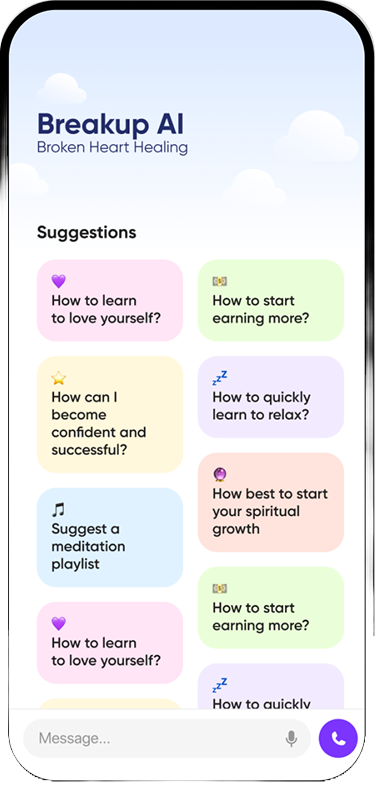
Recall resilience is your steadfast ally. For immediate assistance and a structured path to healing, explore Breakup.one: an AI-driven heartbreak recovery companion offering personalized guidance, empathy, and uninterrupted support. Start your journey with Breakup.one now.
Key Takeaways
- Breakups can significantly impact self-worth and identity.
- Self-compassion and mindfulness are crucial in rebuilding self-worth.
- Redefining self-validation and embracing vulnerability aids healing.
- Community support and professional guidance enhance the recovery process.
- Rewriting personal narratives fosters growth and empowerment.
The Bottom Line
Healing after a breakup is a journey of self-discovery and empowerment. By focusing on nurturing your self-worth from within, you can pave the way toward recovery and personal flourishing. Remember, you are always enough.