



Table of Contents
- Understanding Breakup Depression
- Acknowledging Your Pain
- Lean on Your Support System
- Seeking Professional Guidance
- Engaging in Mindfulness and Meditation
- Rediscovering Yourself
- Exercise and Healthy Living
- Taking Your Time
- Empowering Forward
Key Takeaways
- Breakup depression is a profound emotional challenge that requires acknowledgment and understanding.
- Lean on your support system as social interactions can significantly help alleviate feelings of isolation.
- Engaging in mindfulness practices can offer a much-needed reprieve and enhance emotional regulation.
- Rediscovering personal interests and maintaining physical health are vital components of recovery.
- Healing takes time, and every small step forward is a part of the journey.
Understanding Breakup Depression
Breakup depression is far deeper than plain sadness.
“Breakup depression can mimic symptoms of major depression—those persistent feelings of sadness, a loss of interest in daily life, and changes in sleep or appetite.”
— Dr. Sarah Chen, Clinical Psychologist at NYU
When a relationship ends, it’s not just a partner you’re losing, but an envisioned future and entwined identity.
It’s not only an emotional rollercoaster; it’s a brain chemistry storm too. Studies reported that romantic love and addiction activate similar brain areas. The abrupt absence of that love decreases ‘dopamine’—yes, the pleasure hormone—leaving you stranded in an emotional and biological chasm. This isn’t merely metaphorical; it’s the reason why breakup depression packs such a punch.
Acknowledging Your Pain
Starting your journey out of breakup depression means acknowledging the pain. It may feel natural to push these feelings aside or even spiral into self-blame, but embracing your emotions is crucial. Ignoring them? That delays healing.
Maya, like many, learned this the hard way.
“I first tried drowning my sorrow in work and endless social media scrolling.”
— Maya, 28
Yet such distractions are just temporary bandaids. As you navigate this turmoil, remember that your feelings are real. Feeling shattered? It’s okay.
Why It Works: When you embrace your emotions, it kickstarts ’emotional regulation’—a key psychological process that aids in adjusting emotional responses. The American Psychological Association highlights how engaging with, rather than running from your emotions can greatly enhance handling them effectively.
Lean on Your Support System
Isolation could deepen the wedge that breakup depression drives between you and the outside world. Having a robust support system is incredibly powerful against depression.
“Social bonds diffuse stress.”
— Dr. Raj Mehta, Social Neuroscientist
“Talking with trusted friends or family offers a safe space for processing emotions.” Reach out to loved ones, engage in heartfelt conversations. Sometimes, a simple coffee chat or a comforting hug can work wonders.
Why It Works: Interactions can stimulate oxytocin, often called the ‘bonding hormone,’ promoting a sensation of warmth, security, and emotional steadiness. Quite crucially, these bonds mitigate feelings of isolation.
Seeking Professional Guidance
If the burden becomes too heavy, consider professional help. Trained therapists guide individuals through the maze of breakup depression. Cognitive Behavioral Therapy (CBT) often helps, as it tunes negative thought patterns into constructive pathways.
Divulging the therapeutic process,
“Therapeutic methods are personalized to challenge thought patterns and build coping strategies.”
— Dr. Emily Langridge, Clinical Counselor at Stanford
Therapy can offer a constructive space for introspection and growth.
How to Do It: Connect with a therapist skilled in breakup recovery or depression. Platforms like Psychology Today or The Association for Behavioral and Cognitive Therapies offer easy access to licensed professionals near you. Many therapists scale fees, ensuring therapy is accessible regardless of financial status.
Engaging in Mindfulness and Meditation
When your emotions scatter like seashells on a storm-tossed shore, mindfulness and meditation can stand as your beacon. These practices root you in the present, providing a respite from the overwhelm.
“When anchored in the present, it reduces anxieties of past and future.”
— Dr. Sarah Chen
Start with simple breathing exercises or guided meditations. Apps such as Calm or Headspace—ever heard of them?—are excellent companions as you embark on this meditative journey.
Why It Works: Meditation, according to a Harvard study, increases gray matter linked with self-awareness and emotional regulation. Mindfulness reduces stress hormones—cortisol, for instance—helping to enhance emotional health over time.
Rediscovering Yourself
Healing, at its core, demands crafting a renewed identity beyond what the relationship has defined. It’s terrifying yet liberating, opening doors to self-discovery and growth.
Maya found herself fading into her relationship’s contours. Post-divorce, she rekindled her passion for painting, finding solace in each brushstroke. Explore new activities, learn something novel or travel. This exploration uplifts self-identity, nurturing resilience and self-reliance.
Why It Works: Reviving personal interests spurs different neural pathways, boosting confidence and competence. This journey of exploration lays the groundwork for overcoming the trials posed by depression.
Exercise and Healthy Living
Too often overlooked yet profoundly impactful, physical health plays a pivotal role in healing from breakup depression. Exercise releases endorphins—natural mood enhancers. Even a daily walk amidst nature can start the healing process.
“Movement alleviates emotional tension and combats depressive symptoms.”
— Dr. Raj Mehta
A balanced diet and good sleep hygiene further fuel recovery, providing the strength required on this emotional journey.
Why It Works: Regular physical activity amplifies not just endorphins but serotonin as well, vital for mood stabilization. Overall, a healthy lifestyle fosters mental and bodily wellness.
Taking Your Time
Most importantly, accept that this healing journey is not straightforward. Good days may be followed by challenging ones—it’s all part of the process. Be gentle with yourself.
“Realize that healing doesn’t adhere to a timeframe.”
— Dr. Emily Langridge
Measure progress through neutral days, moments of peace, or genuine laughter. No steps are too small on this path to healing.
Empowering Forward
As you traverse this road to recovery, remember, every moment nudges you closer to healing. Maya now channels her pain into painting, illustrating a future bursting with color. Embrace your emotions, lean on your community, and take mindful steps. This way, you too might emerge from breakup depression, grounded and self-assured.
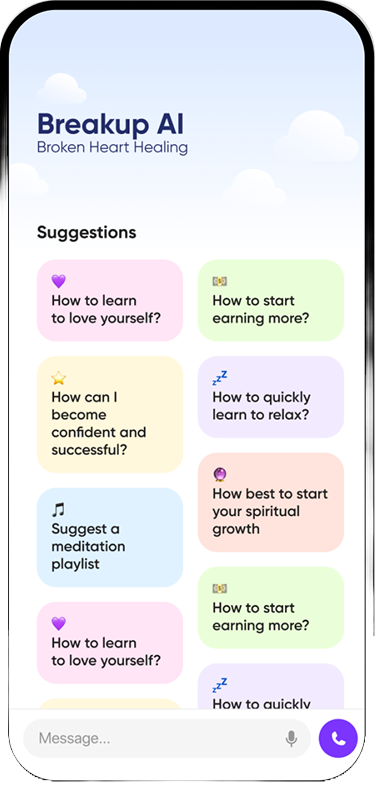
Healing from breakup depression is profoundly personal, yet undeniably reachable. If you’re seeking more guidance, consider exploring Breakup.one—an AI-guided recovery companion, tailoring 24/7 support and custom healing programs to ensure you never feel isolated.
This chapter serves as a testament to your strength—your journey began with heartbreak, yet the road ahead brims with promise, growth, and infinite possibilities.
The Bottom Line
Healing from breakup depression requires time, patience, and a willingness to embrace emotions. By seeking support, rediscovering yourself, and taking care of your physical health, you can navigate the challenging path toward recovery with hope and resilience.