



Table of Contents
- Dissecting Heartbreak’s Toll on Confidence
- Compassionate Strategies for Reclaiming Confidence
- Nurture Your Emotional Health
- Rediscover Your Individuality
- Build a Supportive Circle
- Practice Self-Compassion
- Prioritize Physical Well-Being
- Embrace Mindfulness and Meditation
- Narrative of New Beginnings
- Embracing the Future with Hope
On a rainy night, with every raindrop echoing her heavy heart, Amanda knew she had to leave Mark’s apartment one last time. She slipped her belongings into a tired, old suitcase, feeling a mix of both sorrow and a strange sense of relief. Memories danced in her mind—shared laughter, fierce arguments, dreams that were born and dreams that crumbled. Alone now, in the dim hallway, a question nagged at her: Who am I without him? If you’ve ever walked away from a significant relationship, Amanda’s story might feel all too familiar. Heartbreak does more than just test our emotions—it can fundamentally challenge our self-image, leaving us feeling fragmented and unsure of our place in the world. But rebuilding confidence, though difficult, isn’t out of reach.
Being heartsick isn’t just about tears and sad songs—it feels like a storm, a mix of emotional chaos. It’s more than emotional—it’s literally physical. According to the American Psychological Association, breaking up can trigger parts of the brain that respond to physical pain. And maybe that’s why self-care is both a balm for the heart and the mind.
“A breakup presents a potent challenge to our emotional resilience—and reclaiming self-worth demands a holistic strategy.”
— Dr. Sarah Chen, Psychologist at NYU
Dissecting Heartbreak’s Toll on Confidence
Why does a broken relationship hit self-confidence so hard? It might be that as relationships weave into our identities, they create an emotional tapestry that’s hard to unravel. We invest our hearts, our time, sometimes even our finances. So when relationships end, it feels like we lose a part of who we are.
“With every breakup, the self we thought we knew gets questioned, creating a ripple of doubt about our value and abilities.”
— Dr. Kevin Gillespie, Clinical Psychologist
Research echoes this sentiment. The University of California found that post-breakup blues often come with baggage—low self-esteem, gnawing self-doubt. But part of healing is recognizing these emotions, affirming that while these feelings are understandable, they don’t have to be permanent.
Compassionate Strategies for Reclaiming Confidence
Step into the role of your own best friend. Confidence doesn’t return overnight; it needs nurturing. Here are some ways that blend research with gentle, kind practice:
Nurture Your Emotional Health
Turning away from pain feels natural, but it often stalls healing. Instead, give grief its moment. Writing can be a powerful ally. When you put pen to paper, you transform internal chaos into external clarity.
“Journaling is like chatting with your deepest self—hearing the parts that hurt most.”
— Laura Marks, Therapist
Why It Works: Expressive writing seems to lift stress and offer clarity to tangled thoughts, assisting in emotional balance (Mayo Clinic).
Rediscover Your Individuality
Revive your pre-relationship passions. Returning to activities you once loved alone can anchor your sense of self. Whether it’s the dance floor, a paintbrush, or a new skill waiting to be learned—you are more than your past relationship.
Why It Works: Engaging with past passions can rekindle self-confidence by reaffirming identity beyond relational ties.
Build a Supportive Circle
Isolation, while tempting, can magnify feelings of unworthiness. Being around supportive people fosters healing. A reliable network not only lifts you but also anchors you in shared reality. Your community can be a lighthouse in the fog of heartbreak.
Why It Works: Positive relationships are a buffer against stress and a boon for mental health (NIH).
How to Do It: Open up to those you trust. If the thought is overwhelming, seek solace in online groups or local circles dedicated to healing and growth. Sometimes, the community you need is just a click away.
Practice Self-Compassion
After a breakup, self-criticism can become a persistent companion. Kindness towards oneself isn’t indulgence; it’s essential. Cultivate the same gentleness you’d show a dear friend who is grieving.
Why It Works: Self-compassion can fortify your resilience, helping you bounce back faster from emotional distress (Stanford University).
Prioritize Physical Well-Being
The mind and body dance intricately with each other—a well-cared-for body nurtures a healed mind. Whether it’s a mindful walk, yoga stretches, or just a gentle jog, physical activity brightens mood and perspective.
Why It Works: Exercise releases feel-good hormones, countering stress, and enhancing mental well-being (Harvard Health).
How to Do It: Incorporate some form of movement daily. A gentle walk, a streaming yoga session, or weightlifting—all are options. Here, consistency outranks intensity in its mood-lifting magic.
Embrace Mindfulness and Meditation
In today’s fast-paced world, attentiveness wanes. Mindful moments draw you back into the present, taming rumination and anchoring you to the now. A clearer mind can pave the way for clearer self-perception.
Why It Works: Mindfulness reduces stress and anxiety, instilling a calm and robust sense of self (American Mindfulness Research Association).
How to Do It: Dedicate 10 daily minutes to meditation. Apps like Headspace can help, or perhaps an in-person session suits you. Focused breathing helps cultivate peace within your heart and mind.
Narrative of New Beginnings
The stories we tell ourselves influence our realities. After heartbreak, you’re not just closing a chapter—you’re starting a new volume, full of potential. Set goals that inspire and foster growth.
Why It Works: Goal-setting diverts focus towards future possibilities, nurturing development and self-efficacy.
How to Do It: Identify areas ripe for growth—be it a career, education, or personal dreams. Set realistic goals and celebrate victories along the way, nourishing confidence and motivation.
Embracing the Future with Hope
Remember, heartbreak recovery isn’t about a one-size-fits-all formula. But each step toward self-care is a step towards personal rediscovery and strength. With time and patience, you’ll turn heartbreak from an end into a captivating beginning.
Are you on a journey of self-care after heartbreak? Know that, too, you’re not alone. Healing is about patience and introspection—and opens doors to new opportunities and self-awareness.
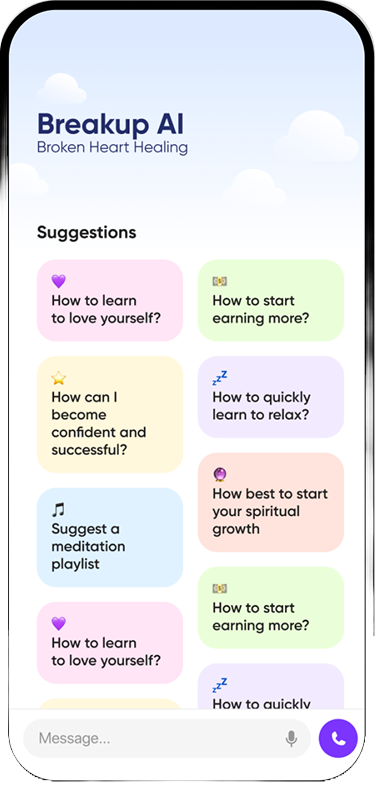
Looking for more personalized support? Consider exploring Breakup.one—an AI-enhanced heartbreak recovery aid that offers emotional support and structured healing guidance round-the-clock.
Key Takeaways
- Heartbreak can significantly impact self-confidence and self-worth.
- Engaging in self-care practices is essential for rediscovering one’s identity post-breakup.
- Building a supportive community fosters emotional healing and resilience.
- Mindfulness and journaling can provide clarity and promote emotional balance.
The Bottom Line
Each individual’s journey through heartbreak is unique, yet the road to recovery involves patience, self-compassion, and proactive self-care strategies. By embracing this process, you can rediscover your confidence and open yourself to new beginnings.