



Table of Contents
- Understanding the Nature of Heartbreak
- The Science of Self-Care
- Daily Self-Care Practices for Healing
- Embracing Your Healing Journey
- The Bottom Line
Understanding the Nature of Heartbreak
Heartbreak isn’t merely an emotional experience—it’s physiological too. According to a study published back in 2021 by the Journal of Neurophysiology, romantic rejection activates the same neural circuits in the brain associated with physical pain, affirming that heartache is not just in your head; your body truly aches.
“Your brain flags loss similarly to a real-world injury or illness. It’s like alarm bells ringing in your noggin because social isolation once posed a mortal threat to humans.”
— Dr. Emily Steinberg, Clinical Psychologist, Harvard
You might be feeling a cocktail of emotions—grief, anger, sadness, and maybe, just maybe, even a dash of relief. It’s common to bounce between a yearning for comfort and longing for the past. It’s key to realize that these are natural, expected reactions. It’s okay to experience these feelings deeply. What really counts, as they ebb and flow, is how you choose to anchor yourself each day with self-care.
The Science of Self-Care
These days, self-care is more than just a trendy hashtag. A publication by the American Psychological Association points out that self-care routines significantly enhance well-being and mitigate stress and anxiety—symptoms often heightened after a breakup. But how exactly does self-care work its magic on the brain?
Self-care enables you to regain control, reducing cortisol—the stress hormone tied to heartbreak—and boosting serotonin, the neurotransmitter that helps elevate your mood. By deliberately weaving these practices into daily life, your brain receives the comforting message: you’re actively taking care of yourself, even amid discomfort, promoting lasting psychological resilience.
Daily Self-Care Practices for Healing
-
1. Mindful Journaling: Writing as a Release
Journaling is a profound way to process emotions and gain clarity. For instance, Leila, 30, journaled her thoughts during her breakup, finding it offered relief and perspective. Committing your heartache to paper helps articulate feelings, making them more manageable. Research from UCLA even suggests that expressing emotions through writing can decrease activity in the brain’s amygdala—a sign of less emotional reactivity.
Pro Tip: Grab a specific notebook just for your musings. Begin a daily practice, even if only for three minutes. Reflect on prompts like, “What did I learn from this relationship?” or “How am I feeling today?” -
2. Establishing a Routine: Structure as a Balm
Post-breakup, it’s easy to let routines slip into chaos, but structure can provide a comforting stability.
“After a relationship ends, maintaining a routine can reintroduce a sense of normalcy and control—elements critical for emotional grounding.”
— Dr. Sarah Chen, Clinical Psychologist
Identify key activities that bring you solace—a morning jog, a comforting cup of afternoon tea, or a soothing night-time skincare ritual. These can serve as anchors, creating predictability and calm.
-
3. Movement and Exercise: The Natural Mood Booster
Exercise is one of the most effective ways to boost mood and energy. The Mayo Clinic reports that physical activity increases endorphins—those delightful hormones that elevate mood naturally.
Be it yoga, hiking, or a dance class, pick activities that bring you joy without adding stress. Aim to move for at least 20 minutes a day—a minor commitment with major emotional payoffs.
-
4. The Power of Breathwork: Finding Calm
There’s something profoundly soothing about breathwork, a simple yet potent tool to regulate emotions.
“Deep breathing activates the parasympathetic nervous system.”
— Dr. Michael Tan, Neuroscience Researcher
Try the 4-7-8 technique: Inhale through the nose for four counts, hold for seven, and exhale slowly for eight. Repeat four times whenever you feel overwhelmed or anxious.
-
5. Setting Boundaries: Emotional Protection
After a breakup, interactions with your ex or mutual friends can drain you. Establishing boundaries becomes crucial for self-preservation.
“Boundaries are the distance at which I can love you and me simultaneously.”
— Dr. Brené Brown, Researcher on Vulnerability
Communicate your need for space politely. Whether it means limiting communication with your ex or taking a social break, remember that prioritizing your mental health is perfectly acceptable.
-
6. Creative Expression: Accessing Joy
Engaging in creative tasks, whether painting, playing music, or crafting pottery, allows for the expression of often unsayable emotions. Creative activities have been shown to reduce symptoms of depression and anxiety, according to Harvard Health.
Pro Tip: If crafting isn’t your forte, start small. Doodle, bake, or plant some indoor herbs. Explore what resonates with your current mood and delve into it. -
7. Nutritional Self-Care: Feeding Body and Soul
In times of emotional upheaval, nutrition might take a backseat. Yet eating well supports emotional stability. Foods full of omega-3 fatty acids, like fish and walnuts, are believed to combat depression by boosting brain health.
Whip up simple, nutritious eats for yourself. Try adding avocados, nuts, and salmon into your meals. If your appetite is flagging, consider smoothies or small snacks to sustain energy and mood.
Embracing Your Healing Journey
In heartbreak’s wake, it’s crucial to remember that healing is neither linear nor one-size-fits-all. As you explore these self-care practices, grant yourself the grace to find what truly nourishes you. Maya, now in a healthier space post-divorce, reflects,
“Allowing myself to be vulnerable and honest about my needs helped me heal on my terms. Every step, no matter how small, was significant.”
— Maya, Survivor
Heartbreak may have reshaped your world, but it does not define your future. Through compassionate self-care, you can begin mending, discovering hidden strengths, and crafting a life brimming with new possibilities. Take each day as it comes, knowing that with conscious efforts, peace and happiness are reachable.
Key Takeaways
- Heartbreak triggers both emotional and physiological responses.
- Self-care practices enhance well-being and help in regulating stress hormones.
- Establishing routines and boundaries can foster emotional stability.
- Engaging in creative activities and physical movement significantly boosts mood.
- Nourishing the body with healthy food supports mental health during recovery.
The Bottom Line
Healing from heartbreak is a journey that requires patience, self-compassion, and intentional self-care. By implementing daily practices that nurture both body and mind, you empower yourself to move forward with resilience and hope. Embrace this time as an opportunity to rediscover and reclaim your life.
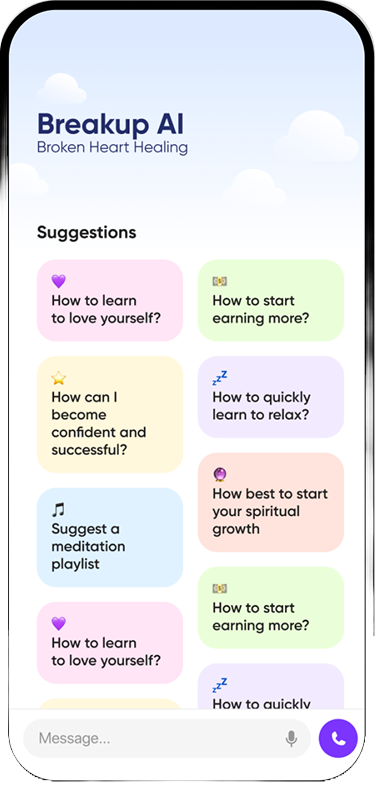
Looking for more support on your recovery journey? Dive into Breakup.one. It’s like having a personal support squad at your fingertips 24/7, offering emotional support and guided healing programs.