



Table of Contents
- Understanding the Emotional Chaos of Heartbreak
- The Science of Self-Care and Why It Works
- Practical Self-Care Strategies for Inner Healing
- Lean on Your Support Network
- Seek Professional Guidance
- Crafting a Path Forward
- Why Healing and Growth Take Time
- Final Thoughts
Understanding the Emotional Chaos of Heartbreak
Heartbreak brings a whirlwind of emotions—anger intertwined with sorrow, punctuated by confusion.
“It’s akin to withdrawal symptoms.”
— Dr. Sarah Chen, NYU
“Our brain’s reward centers are disrupted during a breakup, mirroring the experience of losing something integral.”
It’s not just poetic expression—it’s science. The American Psychological Association highlights that the brain interprets heartbreak similarly to physical pain. Isn’t that fascinating? It’s not merely a figure of speech; our minds and bodies truly are worlds colliding during such times.
The Science of Self-Care and Why It Works
So why harp on self-care during heartache? Think of it as emotional triage. Just as you’d treat a physical wound with care, tending to emotional wounds demands the same diligence. Engaging in self-care can lower stress and boost mood significantly. The Mayo Clinic points out that mindfulness and exercise do wonders for mental health—it’s like they’re nature’s remedy!
Practical Self-Care Strategies for Inner Healing
- Create a Sacred Space for Yourself
Take Maya, for example—28 and reeling from divorce. Her home felt like a relic of the past until she transformed it, infusing it with calm and comfort. By reshaping your surroundings, you’re reclaiming your space. Soft lighting, scents of calming candles, and soothing music can slowly stitch together a heart that’s been through the wringer.
- Practice Mindfulness and Meditation
Thoughts can be intrusive, like uninvited guests overstaying their welcome. Practicing mindfulness—being present without judgment—can anchor you in chaotic times.
“Meditation allows you to sift through the noise and decide what’s worth your energy.”
— Dr. Lisa Freeman, Meditation Guru
Starting is simple: close your eyes, breathe, and just be. Apps like Headspace might be electronic, but they offer gentle guidance when the mind feels like a storm.
- Reconnect with Yourself Through Journaling
Journaling is a haven, a personal space to lay bare emotions. Write your anxieties, your dreams, even your mundane thoughts. Feeling stuck? Art journaling or mood boards speak when words falter. Journalism by Harvard Health backs this up—journaling calms the mind and untangles thoughts.
- Engage in Physical Activity
Physical movement becomes an antidote, releasing endorphins that lift spirits up from the depths. Whether it’s the rhythm of a run or the peace of a yoga session, activity facilitates emotional liberation. The CDC gives exercise the thumbs-up as a natural stress-buster.
- Nurture Yourself with Healthy Boundaries
Create a healing cocoon—curate your digital spaces thoughtfully. Social media can inflame loneliness after a relationship ends, so why not take a break? Examine which friendships energize and which sap strength; prioritize connections that uplift.
Lean on Your Support Network
Though heartbreak isolates, solace often comes from opening up to trusted allies—family or friends who listen without judgment. Conversations can be hard, but connection eases the burden. Don’t overlook online communities either; shared stories build solidarity.
Seek Professional Guidance
Sometimes, heartache necessitates external help. Therapists are trained guides through the wilderness of broken emotions.
“Therapy is a journey.”
— Dr. John Roberts, Relationship Expert
whose expertise in relationships provides a fresh lens for understanding oneself beyond heartache.
Crafting a Path Forward
This moment is an invitation to rediscover yourself, apart from past relationships. Engage with interests set aside and find new joys. Set small, achievable goals to reignite your spark. You’re crafting a narrative rich with potential and self-worth.
Why Healing and Growth Take Time
Remember, healing is a winding road—not a sprint. It’s okay if progress feels slow. Your heart, though fragile, is resilient beyond measure. With time and care, you’re not just emerging from heartbreak but growing into a person of depth and understanding.
Final Thoughts
Reestablishing a relationship with yourself after a heartbreak can reignite a light obscured by loss. The heart, albeit tender, possesses an incredible ability to heal and love again. Each act of self-care is a testament to your resilience—a beacon lighting the way to a future brimful of promise.
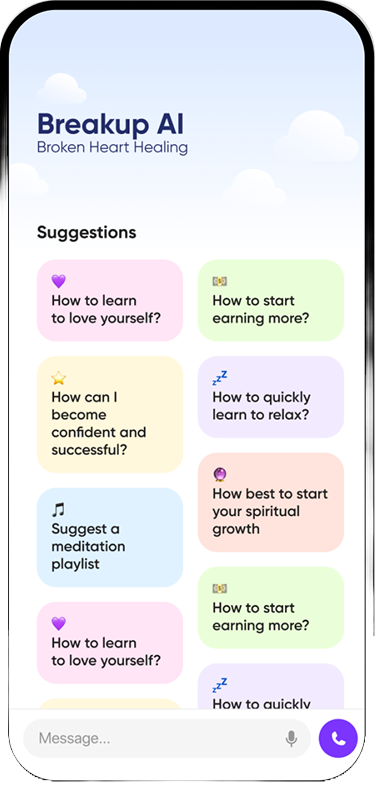
As you embark on this journey, resources like Breakup.one stand by ready to offer guided healing around the clock. Heartbreak is but a chapter, not the conclusion. Embrace self-care as your vessel, navigating toward a future brightened by your own strength and relentless hope.
Key Takeaways
- Heartbreak is a common experience that can lead to self-discovery and personal growth.
- Engaging in self-care practices is essential for emotional healing.
- Creating a supportive environment and establishing healthy boundaries can help alleviate feelings of isolation.
- Professional guidance can provide significant support through the process of healing.
- Healing takes time, and it’s important to be patient and compassionate with oneself.
The Bottom Line
Your journey through heartbreak is not an endpoint but a transformative chapter. By embracing self-care and leaning on your support network, you’re setting the stage for renewal and rediscovery. Remember, your heart is resilient, and healing is just around the corner—approach it with hope and courage.