

Table of Contents
- Understanding the Pain: Why Heartbreak Feels So Raw
- The Science of Growth: Transforming Heartbreak Into Opportunity
- Navigating the Healing Process
- Looking Ahead to Tomorrow
- The Bottom Line
Key Takeaways
- Heartbreak triggers both emotional and physiological pain, affecting your brain similarly to physical pain.
- Post-Traumatic Growth suggests that emotional adversity can lead to resilience and deeper appreciation for life.
- Engaging in hobbies and permitting yourself to grieve are essential steps in the healing process.
- Building a supportive network can foster recovery and create new connections.
- Embracing introspection and visualization can empower your journey to rediscovery and fulfillment.
It was late, sometime during a rainy Thursday night, when Emma realized she was alone—not just physically but emotionally. She was in her dimly-lit bedroom, her phone glowing blankly against the darkness. Another weekend was approaching, one that held neither plans nor anticipation but only a yawning emptiness where love once flourished. Emma had just ended a four-year relationship, one she believed was eternal. Friends offered solace, saying time heals all wounds. But for Emma, clocks ticked like an echo chamber, amplifying her isolation instead of bringing comfort. If you’ve walked in Emma’s shoes, you know this heavy silence heartbreak can impose. Yet, buried within this emptiness is fertile soil for growth. How does one embrace this growth after heartbreak when everything feels unspooled? Let’s explore nurturing insights and actionable ways to navigate this expansive emotional landscape.
Understanding the Pain: Why Heartbreak Feels So Raw
Heartbreak isn’t just emotional; it’s physiological. Researchers from the realm of neuroscience have determined that the human brain processes emotional pain in a fashion similar to physical pain—there’s the rub (Social Cognitive and Affective Neuroscience). When a relationship ends, it’s not just your heart that aches; your brain actually goes into withdrawal, much like detox. Neurologist
“Neural pathways in your brain become reliant on emotional highs.”
— Dr. Sarah Chen, NYU
points out that this explains why breakups gut us so. You might be caught in currents of sadness, anxiety, even confusion. Recognizing these feelings is essential. They’re valid and shared by countless others who’ve traversed this path. Witnessing this fear of the unknown is the first tentative step toward transformation.
The Science of Growth: Transforming Heartbreak Into Opportunity
Psychologists argue that emotional growth often accrues out of adversity. The concept of Post-Traumatic Growth (PTG) implies that enduring life-altering events like breakups can render individuals stronger and more resilient. According to findings by the University of North Carolina, those who’ve experienced heartbreak often emerge with deeper relationships and heightened life appreciation. Heartbreak, painful as it is, may just nudge us toward positive evolution. Consider Maya, age 28, whose divorce left her reeling. Initially, happiness seemed a distant memory. Yet, heartbreak initiated her self-discovery odyssey. She picked up painting, fell in love with cycling again, even launched a blog to narrate her journey. Her transformation—a journey she wouldn’t have embarked upon had she stayed in a joyless marriage.
Navigating the Healing Process
Healing seldom adheres to a one-size-fits-all blueprint, but certain strategies universally aid this journey:
1. Permit Yourself to Grieve
Feel pressured to conceal your grief or “move on” swiftly? Halt—don’t. Grieving is pivotal, allowing you to honor the relationship and its profound influence on your life.
“Sit with your emotions, write about them, or confide in a trusted friend.”
— Dr. Laura Banks, Grief Counselor
This practice aids in processing what went fabulously right, what faltered and the lessons learned.
Why It Works: Acknowledging grief engages the creative, emotional side of the brain. This can lighten your emotional burden, paving the way for fresh experiences.
2. Rekindle Your Passion
Post-heartbreak, many of us lose touch with activities once cherished. Reconnecting with those interests can serve as a joyful distraction and an investment in oneself.
Why It Works: Engaging in hobbies boosts dopamine, the ‘feel-good’ chemical—spurring positivity and fulfillment.
3. Crafting a New Narrative
You’re now in the driver’s seat to redefine your story—detached from your relationship but not from your past. This act isn’t about erasing history but weaving it into your life’s ongoing tapestry.
4. Build a Supportive Network
Isolation during healing is daunting. Reaching out to friends, family, or support groups can uplift your spirits hugely. Maya found that joining a cycling group brought new friendships and emotional support.
Why It Works: Healthy relationships foster oxytocin—nature’s own remedy to heartbreak. It fosters belonging and acceptance.
Looking Ahead to Tomorrow
Remember, growth through heartbreak doesn’t diminish the love or memories of the past; it honors them by pushing you toward a fuller, more gratifying life. Through deliberate actions, gratitude, and resilience, you won’t just heal; you’ll become more of who you were meant to be.
If the path is rocky, remind yourself—you’re not alone. Transformative growth often starts with small, hopeful steps. The voyage to embrace growth after heartbreak demands patience and gentleness with oneself. This isn’t an instant transformation but a gradual awakening to life’s richer potentials.
The Bottom Line
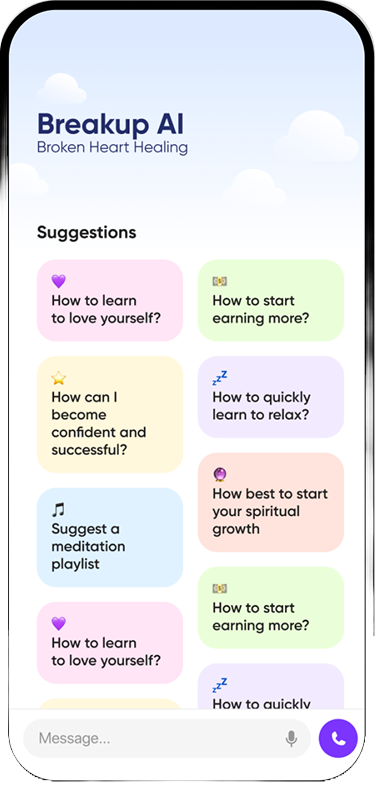
Struggling with heartbreak? You’re not alone. Consider Breakup.one, an AI-powered recovery companion offering 24/7 support—your ally on the journey toward rediscovering joy. Start today.