



Picture the vacant side of your bed, its emptiness a stark reminder of laughter that once filled your nights. Those nights now stretch endlessly, marked by silent tears—the kind that seem to etch their way onto your cheeks. A breakup often resembles the sudden halt of a cherished melody, leaving a haunting reverie in its stead. For many, this eerie stillness after parting ways feels all too familiar—Maya, a 28-year-old marketing executive, knows this well. Her five-year relationship crumbled with the punctuation of a terse message on a chilly November morning. Maya’s tale, though perhaps not extraordinary, embodies a deeply personal journey to find closure. But how does one embrace this elusive closure—and truly move on?
Table of Contents
- Understanding the Depths of Breakup Agony
- Demystifying Closure in Heartbreak
- Steps Through the Painful Path to Closure
- The Importance of Support Systems
- Revisiting Your Core Identity
- Crafting a Renewed Emotional Story
- Gazing Forward with New Clarity
Key Takeaways
- Grieving is a vital part of healing and should be embraced, not stifled.
- Understanding the causes of a breakup can provide valuable lessons for future relationships.
- Seeking support from friends, family, or professionals can help alleviate heartache.
- Forgiveness—of yourself and your partner—plays a crucial role in moving forward.
- Engaging in self-care and cultivating new habits fosters healing and personal growth.
Understanding the Depths of Breakup Agony
Breakups don’t just tug at the heart—they can manifest as palpable aches. You might lose your appetite, sleep fitfully, and feel rundown. Rest assured, it’s not your imagination; science backs you up. An article in the Journal of Neurophysiology reveals that emotional pain and physical pain activate similar brain receptors.
“That heartache? It’s not just figurative. Your brain registers it as real, tangible pain, much like a physical injury.”
— Dr. Sarah Chen, Clinical Psychologist
Understanding the science behind the heartache can be a comfort. You aren’t overreacting. Just as a sprained ankle demands both time and tender care, so, too, does your heart.
Demystifying Closure in Heartbreak
Closure—it’s a term thrown around, especially amidst breakups, yet it often feels like a Hollywood myth. There’s no instant fix here. Instead, closure is an evolving process, helping you release past ties and unmet hopes.
“Closure is a means of weaving past experiences into the fabric of your personal story.”
— Dr. John Bargh, Yale University
Why is closure vital? It’s all about reclaiming control. According to the Journal of Personality and Social Psychology, achieving closure can alleviate feelings of sorrow and depression. Without it, your mind remains ensnared in uncertainty, extending the ordeal.
Steps Through the Painful Path to Closure
Would you believe that finding closure means traversing the pain of a breakup once again? Oddly enough, embracing that discomfort is pivotal for healing.
- 1. Permit Yourself to Grieve: Allow yourself to mourn what’s been lost. Grieving isn’t a sign of frailty but a testament to your capacity for deep love. Give yourself permission to feel—cry if you must, scream into your pillow, or pen your feelings in poetry.
- 2. Contemplate the Causes: Reflecting on what led to the breakup is neither self-pity nor navel-gazing; it’s part of the learning process. What were the disagreements? Were there glaring red flags dismissed?
- 3. Nurture Self-Compassion: This journey inward aligns with the self-compassion concept noted in a University of Texas study. Be gentle with yourself—treat yourself with the same kindness you’d offer a dear friend.
The Importance of Support Systems
Closure isn’t a solitary trek—friends, family, or professional support can offer clarity and comfort. Reach out if you have supportive allies. Sharing your feelings helps channel your inner chaos into coherent thoughts.
“Humans are inherently social. Sharing pain diminishes its intensity, while relationships provide a buffer against future distress.”
— Dr. Megan Cowl, Emotional Recovery Specialist
- 4. Seek Professional Help: If the breakup’s weight seems unbearable, consider therapy. It’s not for the weak—it’s for anyone keen on self-discovery.
- 5. Cultivate New Habits: Breaking free of old patterns reinforces autonomy. Take up activities that redirect focus. After her breakup, Maya signed up for a pottery class—not realizing it would become a therapeutic channel.
Revisiting Your Core Identity
Reacquaint yourself with your essence—apart from ‘us’. Reconnect with sidelined passions and dreams. Rebuilding identity isn’t about reinventing oneself; it’s about rediscovering forgotten self-aspects.
- 6. Establish Personal Milestones: Set and accomplish modest goals—they anchor you and restore direction.
- 7. Embrace Mindfulness: Mindfulness fosters awareness of the present, nurturing emotional balance. Through meditation or yoga, you can observe thoughts without judgment.
Crafting a Renewed Emotional Story
Closure crystallizes when you rewrite your experience. Recognizing growth from the relationship cements closure’s foundation.
- 8. Forgive Yourself and Your Former Partner: Forgiveness releases resentment’s grip. It’s not about excusing wrongful actions, but recognizing that holding onto anger is more injurious to you.
- 9. Shift Your Perspective: This isn’t romanticizing the past—it’s about transforming pain into lessons. Viewing the breakup as a stepping stone, rather than an obstacle, empowers you to derive meaning and growth.
Gazing Forward with New Clarity
Closure doesn’t end your emotional journey; it recalibrates it. Memories might linger, but you decide their impact on your path forward. Embrace this transitional time as an opportunity for renewal—emerging more self-aware and resilient.
Finding closure after a breakup painfully doesn’t imply bypassing your grief. It means progressing through it, even if at times it feels like stumbling in the dark. Remember that the pain isn’t a life sentence, and your narrative is yours to script.
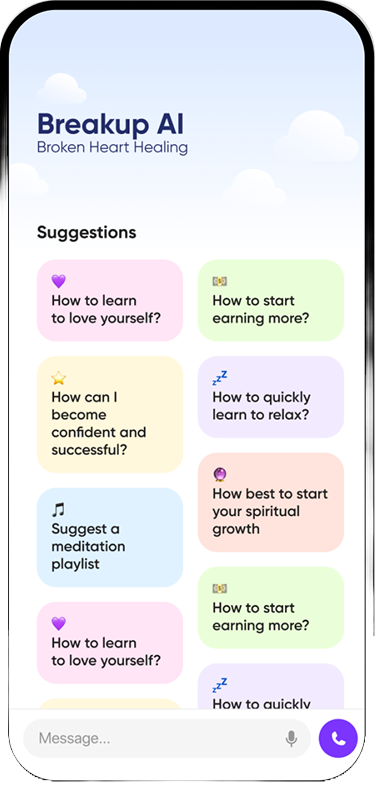
As you navigate this tumultuous chapter and contemplate brighter future drafts, consider sharing your journey with Breakup.one, an AI-assisted heartbreak companion offering round-the-clock emotional support and guided recovery programs. Let this safe haven cradle your vulnerability and steer you towards healing and empowerment.
The Bottom Line
Closure is a journey, not a destination. Embrace your emotions, learn from your experiences, and trust that healing is possible. Reclaim your narrative and step forward into a brighter future.
References:
- Journal of Neurophysiology
- Journal of Personality and Social Psychology
- University of Texas
- Journal of Positive Psychology
- Harvard
- University of Wisconsin