



Table of Contents
- Understanding Heartbreak and Its Veiled Impact
- Science’s Take on Self-Care
- Charting a Course to Well-Being
- Strengthening Your Support System
- Embracing Self-Compassion
- Voyage Toward Joy and Purpose
- Final Musings
Key Takeaways
- Heartbreak evokes intense emotional pain similar to physical pain.
- Establishing a self-care routine is essential for emotional healing.
- Regular exercise, balanced nutrition, and mindfulness practices enhance mood and resilience.
- Building a support system and practicing self-compassion are crucial steps in recovery.
- Embrace new hobbies and experiences to rekindle joy and purpose post-heartbreak.
Understanding Heartbreak and Its Veiled Impact
According to Dr. Sarah Chen, a noted clinical psychologist at NYU, heartbreak is a profound emotional pain, one that mimics physical pain’s intensity in the brain. You’re not just imagining it. The American Psychological Association confirms that our brains don’t really differentiate between the two. It processes heartbreak similarly to physical injuries. So, those waves of queasiness? They’re real — your body genuinely reacts to emotional distress.
Breakups often plunge you into a whirlwind of grief, disrupting sleep, altering your appetite, and nudging cognitive functions off-kilter. You may simmer in sadness, rage, confusion, and loneliness. Embracing these natural emotional responses is an early but crucial step towards healing.
Science’s Take on Self-Care
Self-care isn’t a luxury, contrary to what some might think. It’s vital for effective healing. The National Institute of Mental Health underscores that self-care practices mitigate stress, boost concentration, cut down on frustration and anger, and amplify happiness. By placing your well-being front and center, you build a foundation for both emotional and physical recovery.
Charting a Course to Well-Being
Setting Anchor with Routine
In all the chaos, structure offers solace. Though establishing a routine might initially feel burdensome, it provides reassuring predictability during unsettling times. When all feels awry, just knowing breakfast is always at 8 am or that you’re journaling every night brings comfort.
“Routines ground you when emotions are overwhelming, reinforcing a sense of normalcy and accomplishment.”
— Dr. Joshua Hersh, Expert
Embrace Movement
Exercise isn’t just about physical fitness. It’s a tonic for your mood too. Engage in physical activities like jogging, dancing, or yoga to flood your system with those delightful endorphins, lifting your mood and reducing anxiety.
Why It Works: Regular sweat sessions diminish stress hormones like adrenaline and cortisol. The Mayo Clinic reiterates the role of exercise, spotlighting its benefits in alleviating depression and anxiety. It’s a vital part of heartbreak recovery.
Incorporating Movement: Pick activities you love. If the gym seems daunting, opt for brisk walks, dance around the living room, or join a local yoga class. The key lies in consistency, not high intensity.
Fuel Your Body Right
The way you nourish your body directly impacts your mental state. A balanced diet steadies mood swings and offers the energy to face each day.
Relevance: The gut-brain connection is undeniable. Nutrient-rich foods affect neurotransmitter pathways impacting serotonin levels, the mood governor. Harvard Medical School emphasizes nutrition’s role in mental health upkeep.
Starting Point: Embrace whole foods like fruits, vegetables, lean proteins, and grains. Stay hydrated and curb caffeine and alcohol intake as they can spike anxiety and depression.
Mindfulness and Meditation
Mindfulness urges presence, allowing thoughts to flow without judgment. Meditation, integral to mindfulness, alleviates stress and fortifies emotional resilience.
Science Supports: The National Institutes of Health reveal that mindfulness practices bolster emotional regulation, easing anxiety and depression symptoms.
How to Begin: Dedicate minutes daily to meditation, perhaps with apps like Headspace or Calm. Focus on your breath, awareness dawning with each inhalation and exhalation. It might be laborious initially, but persistence will enrich your healing odyssey.
Strengthening Your Support System
Allow others to share your burden by forging a support system that aids healing.
Importance: Human connection is pivotal. The University of California notes that social support mitigates stress, extends life, and offers solace in distressing times.
Building Bridges: Reach out to friends or family who listen without judgment. Maybe join support groups focused on heartbreak healing, or consider therapy for professional emotional navigation.
Embracing Self-Compassion
In heartbreak’s throes, self-blame and criticism often rise. Self-compassion quells these harsh whispers. Dr. Kristin Neff, a self-compassion pioneer, states,
“Being kind to oneself during pain bolsters emotional resilience.”
— Dr. Kristin Neff, Expert
Why It Matters: Treat yourself with the kindness reserved for a friend. Self-compassion reduces guilt, nurturing a healthier self-image.
Ways to Foster Self-Kindness: Begin with affirmations, like “I am worthy of love and respect.” Indulge in joyful activities and practice self-forgiveness for perceived missteps.
Voyage Toward Joy and Purpose
Recovering doesn’t disregard the past but reignites joy and purpose anew. Healing invites fresh encounters, sparking vitality and zeal.
Endeavor into Newness: Embrace new hobbies or revisit old passions. Whether it’s painting, hiking, writing, or volunteering, going beyond comfort zones invigorates and empowers.
Vision Board Creation: Envision your future. Which dreams beckon? Craft a vision board depicting these aspirations as a beacon on your healing journey.
Final Musings
Healing from heartbreak isn’t a swift, straight road. It demands patience, self-compassion, and dogged determination. You’re braver than credited, more resilient than believed. Each self-nurturing step you take is a testament to your strength.
Remember, you aren’t alone on this path. Pause, breathe deeply, and trust your capacity to heal and thrive. You’re penning a new chapter, rich in growth, self-love, and endless possibilities.
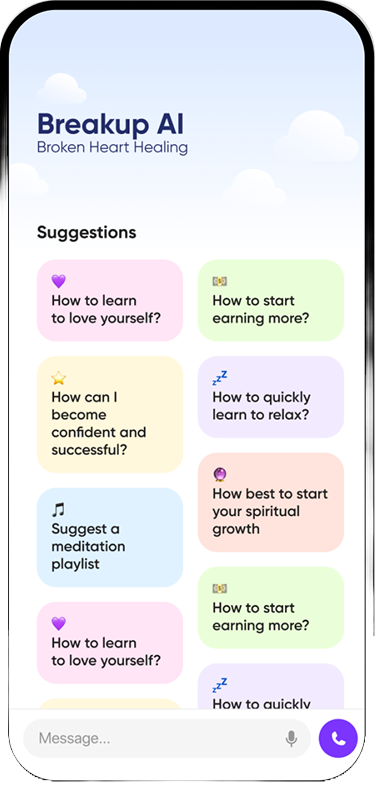
If emotions overwhelm, consider exploring Breakup.one. This AI-driven heartbreak recovery companion offers round-the-clock support and guided healing programs to assist your journey. Explore more at Breakup.one.
The Bottom Line
Heartbreak can feel insurmountable, but with the right self-care practices and support, you can navigate this difficult phase and emerge stronger. You have the strength to heal, grow, and rediscover joy in life.
References:
- American Psychological Association
- National Institute of Mental Health
- Mayo Clinic
- Harvard Health
- National Institutes of Health
- UC Berkeley Wellness