



Table of Contents
- Emotions Behind a Breakup
- Detaching and Placing Emotional Boundaries
- Embracing Solitude and Reflection
- Seeking Companionship and Support
- Rediscovering Your Identity Beyond the Relationship
- Professional Guidance: A Helping Hand
- Stepping Forward with Empowerment
Key Takeaways
- Understanding and accepting the emotions related to a breakup is key to healing.
- Establishing emotional boundaries and limiting contact with triggers can aid in detachment.
- Engaging in self-reflection and discovering personal interests is vital for identity restoration.
- A solid support network provides crucial companionship and emotional healing.
- Seeking professional help, when necessary, can enhance emotional resilience and recovery.
When Maya, 28, stepped inside her dimly lit apartment one drizzly evening, the chill in the air seemed to echo the heaviness in her heart—a burden that wouldn’t lift. Her home, once alive with laughter and love, felt unbearably empty. The clarity she had hoped for arrived as a jolt: the realization that an ex, who had once seemed like home, was now simply a part of her past. Moving on from an ex can seem like an impossible mountain to climb, stirring a storm of emotions that leave one questioning, “How do I let go?”
In those raw moments following a breakup, the void left by someone once so close can feel overwhelming. Yet, recognizing the steps needed to disconnect can be a crucial path toward healing. This journey isn’t a straight line—it’s more like a winding road. But with kindness toward oneself and some effective strategies, turning heartbreak into a force of empowerment isn’t just possible; it’s an opportunity. Here’s how to start taking those essential steps forward.
Emotions Behind a Breakup
The chaos after a breakup can mirror the well-known stages of grief: denial, anger, bargaining, depression, and, eventually, acceptance.
“Realizing that grief is a natural part of hanging on and letting go can free you from that nagging feeling that something must be wrong with you. It’s okay to feel embarrassed, lost, or heartbroken; these are just parts of the emotional journey of moving on.”
— Dr. Emily Stein, Licensed Therapist
Acknowledging these feelings, rather than stuffing them down, is the initial step in recovery. Studies have shown that pushing emotions away can stretch out the pain, while acceptance has a softening effect over time (American Psychological Association). For instance, simply admitting that you’re hurt over your ex could actually lessen the hold those feelings have on you.
Detaching and Placing Emotional Boundaries
“Our brains like to tread familiar paths—the same ones they did when thinking about a partner,” notes Dr. Sarah Chen, a clinical psychologist at NYU. Breaking free from these habits is absolutely necessary. Detachment involves purposefully changing the way you think about your relationship and your ex.
Begin by limiting contact with triggers that bring up memories—like cherished mementos, photos, or mutual friends. Think about setting boundaries with social media: unfollowing or muting your ex might give you the space you need to detach from their online presence. In our digital age, technology easily keeps us anchored to our past, often reopening wounds instead of allowing them to heal.
Carving out some space lets you start reclaiming parts of your life, creating new room for growth. Notably, research suggests that keeping distance can boost self-esteem and lower the risk of depression post-breakup (Harvard Health Publishing).
Embracing Solitude and Reflection
When Maya felt herself spiraling, she turned to journaling—a safe outlet for the emotional chaos she was wrestling with. Solitude doesn’t have to equate to loneliness. Instead, it offers a chance to explore aspects of your identity that might have been overshadowed in a relationship.
Consider engaging in reflective practices: meditation, mindful breathing, or art projects that prompt introspection. In a study published by the National Institutes of Health, frequent mindfulness can significantly reduce stress and build emotional resilience.
Seeking Companionship and Support
The saying goes, “You are the average of the five people you spend the most time with,” and it rings particularly true here. Surrounding yourself with positive forces—friends who really get what you’re going through—can be a crucial lifeline.
A solid support network not only offers fresh viewpoints but also helps prevent the isolation that can follow a breakup. Dive into clubs, group activities, or reach out to friends who have been in your shoes.
“Community can soothe emotional wounds. When you connect with others, it reaffirms that you are not alone and helps shared healing.”
— Dr. Linda Potts, Relationship Expert
Rediscovering Your Identity Beyond the Relationship
Finding your personal interests and identity, independent of a past relationship, is vital for moving on. What are the things you once loved doing? Begin there.
This journey of self-discovery can be as enriching as learning new skills or traveling. Take up a new hobby, explore different genres of literature, or volunteer somewhere meaningful. Engaging in these pursuits can boost confidence and reaffirm independence. Research has shown that personal development after a breakup can boost life satisfaction, easing the throbbing heartache of loss (Mayo Clinic).
Professional Guidance: A Helping Hand
For some, the heartbreak might feel too heavy to bear alone. If persistent sadness or anxiety sticks around, it may be time to seek out professional support. Therapists can equip you with tools to effectively navigate your emotions.
Cognitive Behavioral Therapy (CBT) is particularly effective for those battling mood disruptions post-breakup. Clinical findings indicate that CBT significantly enhances emotional well-being by challenging negative thought patterns and fostering healthier coping strategies (American Psychological Association).
Stepping Forward with Empowerment
Letting go isn’t about deleting your past; it’s a testament to your strength in embracing change. Remind yourself that you are much more than past relationships and that life is full of potential beyond old memories. When turning a new page seems daunting, take solace in the knowledge that each stride forward is a step toward a renewed you—one that thrives in resilience and hope.
Healing from a breakup isn’t about forgetting but finding peace with what was and what is now. When Maya refocused on her dreams and ambitions, she stumbled upon joy and clarity that empowered her to flourish independently. Every small triumph made letting go an act of self-love and growth.
If you’re navigating the stormy seas of heartbreak, looking for guidance, remember, you’re not in this alone. Embrace this transformative journey with curiosity and grace—better days are not just possible; they are indeed ahead.
The Bottom Line
Healing from heartbreak is a process that requires patience, self-compassion, and the willingness to grow. By recognizing your emotions, establishing boundaries, and seeking support, you can not only move on from your past but also strengthen your sense of self and create a hopeful future.
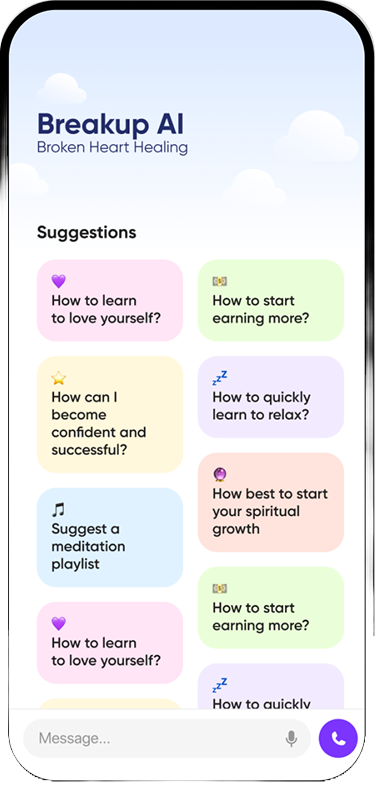
Wading through heartbreak’s tumultuous waves? Breakup.one offers continuous emotional support and resources, specially designed for you. Visit Breakup.one for tools that guide you to healing, with a touch of compassion and empathy.
References
- American Psychological Association
- Harvard Health Publishing
- National Institutes of Health
- Mayo Clinic