



Table of Contents
- Recognizing Your Pain: The Essential First Step
- The Science Behind Heartbreak
- Reclaiming Sense of Self and Identity
- Cultivating a Growth Mindset
- Embracing Self-Compassion and Mindfulness
- Fostering Stronger Relationships
- The Liberation Found in Letting Go
- Confronting the Road Ahead with Optimism
- The Bottom Line
- References
Key Takeaways
- Acknowledging your pain is the first step towards healing and personal growth.
- Understanding the brain’s response to emotional pain can foster self-compassion.
- Engaging in pastimes and fostering a growth mindset are vital for reclaiming self-identity.
- Cultivating self-compassion and mindfulness enhances emotional resilience.
- Building strong relationships can provide essential support during recovery.
Picture yourself teetering on the edge, heart aching as you make sense of life after a breakup. Everything’s out of focus—feelings fluctuate wildly between sadness and fury, while love songs become unwelcome anthems of solitude. If this scenario resonates with you, you’re far from alone. In the maelstrom that is post-heartbreak, even the idea of growth feels like a dream too murky to visualize. And yet, through the fractures of heartache, the seeds of growth take root, promising a journey of rediscovery and healing that flowers anew.
Take the story of Maya, age 28, who emerged from her divorce feeling as though the very ground had vanished beneath her feet.
“Those endless nights, I just sat with my thoughts, pondering who I was before all of this and who I envisioned becoming.”
— Maya, Heartbreak Survivor
Her experience, like so many others, underscores an undeniable truth: while intensely painful, heartbreak can paradoxically unlock paths to personal transformation. But how, exactly, does one begin this journey towards growth after heartbreak?
Recognizing Your Pain: The Essential First Step
The act of acknowledging your pain—it’s no small feat, but absolutely essential.
“Recognizing our grief confirms the reality of our emotions. This acceptance is key to shifting from heartbreak to healing.”
— Dr. Sarah Chen, Clinical Psychologist
Dodging these emotional upheavals can hold you back. According to the American Psychological Association, suppressing your emotions only invites increased stress and depression into your life.
So, what’s the first step? Let your emotions unfold without judgment. They’re only passing through, after all, but they offer crucial insights about your deepest needs and experiences. Maybe journaling, meditating, or having an earnest chat with a trusted confidant are the outlets you need to freely express these emotions.
The Science Behind Heartbreak
Intriguingly, the brain’s response to heartbreak resembles experiencing actual physical pain. A National Institute of Health study revealed that individuals enduring romantic breakups show brain activity similar to those facing physical trauma. This recognition provides a much-needed validation as you wend your way through the grieving and healing journey.
When it seems impossible to move on, understand that decreased levels of dopamine and oxytocin—those chemicals that account for pleasure and bonding—are to blame (according to Harvard Health publications). Recognizing these shifts might nurture a bit of self-compassion, helping explain why navigating this path is both challenging and the emotions are manifold.
Reclaiming Sense of Self and Identity
A dissolving relationship may trigger a deep loss of identity.
“We often find ourselves defining who we are through our roles and relationships. The absence of those definitions can feel like a chasm you just can’t fill.”
— Dr. Lisa Marconi, Relationship Counselor
Realizing that your identity extends beyond relational roles is imperative to reclaiming your self-worth.
A mind-shift begins small—rediscover pastimes you treasured before the relationship. It might be painting, hiking, or delving into a new language. As you engage in such activities, you might find little sparks of joy creeping in, slowly reconstructing your self-esteem.
Cultivating a Growth Mindset
Switching to a growth mindset can be life-altering. According to Dr. Carol Dweck from Stanford University, the distinction lies in believing that capabilities are either fixed or they can advance through experiences. Adopting the latter view—perceiving challenges as avenues for growth—can be transformative.
Start small by reframing negative self-talk. Instead of thinking you might never love again, consider the phrase, “This opens a door to learning more about who I am and what I truly desire.” Accept failures as stepping stones to success—not just in love, but across the board. Small personal goals approached with patience can do wonders.
Embracing Self-Compassion and Mindfulness
Practicing self-compassion is about showing yourself the grace you’d extend to a dear friend.
“Self-compassion breeds resilience, enabling you to better weather life’s tempests.”
— Kristin Neff, Researcher
It turns out, research shows cultivating self-compassion strengthens emotional resilience, smoothing out the journey back from emotional setbacks.
Similarly, mindfulness—essentially awareness of the present moment—pairs seamlessly with self-compassion. By reducing mental rumination, mindfulness helps you objectively witness your thoughts and feelings, allowing you to manage them without overwhelm.
Fostering Stronger Relationships
Surprisingly, a breakup often clarifies the importance of an extended support system. Building robust ties with friends, family, or a community can be a cornerstone to recovery. The solace found in social interaction affirms not only emotional comfort but a revived sense of belonging and personal value.
Consider Sienna, just 25, whose exodus from a tough breakup led her to reconnect with old college friends.
“They reminded me of who I was before any relationship formed.”
— Sienna, Breakup Survivor
Whether through clubs or social nights out, reengaging with your network isn’t just pivotal to healing; it opens you to fresh experiences and insights.
The Liberation Found in Letting Go
Releasing the past might feel like scaling an insurmountable peak, yet letting go is one of the most empowering acts you can undertake.
“It doesn’t mean erasing or disregarding your emotions. Rather, it’s about releasing the hold they maintain over your life.”
— Michael Greene, Therapist
Beginning with forgiveness—towards your ex, and crucially towards yourself—realize that missteps are part of our shared humanity. Offering grace facilitates untethering from emotional chains. Exercises like visualizations or writing unsent letters could symbolize this release, clearing your path for new opportunities free from past burdens.
Confronting the Road Ahead with Optimism
Last but certainly not least, cultivating hope post-heartbreak provides a soothing balm. Pursuing happiness isn’t linear but instead presents a journey splashed with both peaks and valleys. Just recall previous instances of resilience you’ve personally known. Inspirational narratives, or even sharing experiences with kindred spirits in community groups, can reignite your spirits.
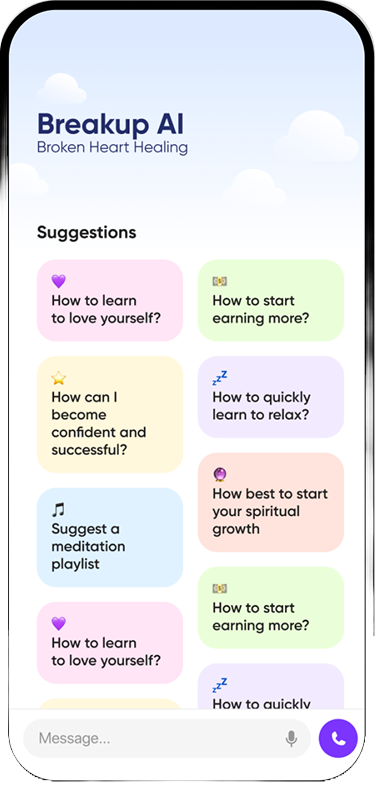
If the course feels overwhelming or you seek more support, consider looking toward modern solutions for help tailored to individual needs.
The Bottom Line
Indeed, growth from heartbreak isn’t just feasible—it’s fruitful. By embracing self-awareness, empathy, and support networks, the path towards deeper self-understanding and fulfillment shines through. Let this defining experience open new vistas and fortify you for the inspiring chapters yet to come.
References
- American Psychological Association
- National Institute of Health
- Harvard Health Publishing
- Stanford University
- Mayo Clinic