



Table of Contents
- Grasping the Pain of Heartbreak
- Step 1: Embrace Grief
- Step 2: Revisit Your Self-Worth
- Step 3: Set New Goals
- Step 4: Foster a Supportive Community
- Step 5: Practice Mindfulness and Reflect
- Step 6: Seek Professional Guidance
- Crafting a New Life Story
- Gaze Forward
Key Takeaways
- Heartbreak can be an opportunity for personal growth and self-discovery.
- Grieving and acknowledging emotions are essential steps in the healing process.
- Setting new goals can reignite motivation and guide self-redefinition.
- Building a supportive community enhances emotional resilience.
- Professional guidance can provide tailored strategies for navigating heartache.
Grasping the Pain of Heartbreak
First things first, it’s important to acknowledge the profound weight of heartbreak. A fascinating study in the Journal of Neurophysiology confirms what many of us have felt—our brains process emotional pain in the same zones as physical pain. It’s no wonder this heartache can feel so visceral.
“Heartbreak is not merely about losing a person. It’s about losing shared dreams and identity, compelling a reevaluation of who we are.”
— Dr. Sarah Chen, Clinical Psychologist, NYU
The heart of the matter isn’t just loss, but the upheaval of your envisioned future.
Step 1: Embrace Grief
There’s no linear path through grief—everyone experiences it uniquely. Allow yourself the grace to grieve; it’s essential in turning heartbreak into growth. Yes, it’s pretty challenging to move two steps forward, only to backslide, but it’s part of this messy, human journey.
Why does this approach work? According to research by Harvard Health, bottling emotions can ramp up stress and anxiety. Conversely, acknowledging them facilitates the brain’s ability to process and release them.
How can you do it? Create a haven for expression—journal your thoughts, open up to trusted friends, or explore therapy. Allow your emotions without judgment; it’s a significant part of the healing journey.
Step 2: Revisit Your Self-Worth
Maya, 28, faced her divorce grappling with self-worth—a story that echoes in the lives of many who’ve faced heartbreak. Many times, we tie our identity to our relationship status, but this is an opportunity to redefine ourselves beyond those ties.
Why this is effective: A study from The Journal of Positive Psychology highlights the value of self-reflection and self-compassion in boosting well-being after breakups.
How to start: Practice kindness towards yourself with the same compassion you would extend to a friend. Engage in constructive self-talk, focusing on strengths and achievements that stand apart from romance.
Step 3: Set New Goals
Rediscovering yourself involves setting fresh goals that revitalize your lost sense of purpose. Goal-setting, both short-term and long-term, can fuel motivation and guide your journey of self-discovery.
Why goal-setting helps: It correlates with a heightened sense of life satisfaction and helps emotional recovery. The American Psychological Association backs this with findings linking specific goals to greater motivation.
How to implement: Start small—set achievable goals and gradually aim higher. Reflect on personal areas ripe for development, be it career, hobbies, or fitness. Plan and celebrate each milestone.
Step 4: Foster a Supportive Community
Heartbreak might nudge you toward isolation, yet cultivating a supportive network is crucial. Surround yourself with empathetic friends or family who offer care and perspective.
Why engage others: A University of North Carolina study strongly correlates robust social networks with enhanced psychological resilience, boosting overall well-being.
How to proceed: Reach out to empathetic friends, join support circles, or connect with online communities for shared experiences and mutual support. Building relationships with uplifting individuals can catapult growth.
Step 5: Practice Mindfulness and Reflect
Heartbreak subjects you to persistent reflection, but transforming it into mindful observation can enrich self-awareness and personal insight.
Why mindfulness matters: According to The Lancet, it can alleviate symptoms of depression and anxiety by promoting present awareness and acceptance.
How to integrate: Fit mindfulness exercises—be it meditation, yoga, or even mindful walking—into your daily routine. Reflect on past experiences, identify patterns, and take note of the lessons learned.
Step 6: Seek Professional Guidance
For some, growth necessitates guidance beyond self-help; professional counseling offers structured emotional exploration.
Why therapy works: The American Psychological Association notes significant emotional health gains in individuals who engage with therapy, benefiting from redefined negative thought patterns and coping strategies.
How to engage: Consider sessions with a licensed therapist or explore group therapy aimed at relationship healing. Counselors provide tailored insights and growth-facilitating tools.
Crafting a New Life Story
A powerful aspect of post-heartbreak growth is rewriting life’s narrative to merge past wisdom with newfound opportunities. In her post-divorce journey, Maya unearthed a passion for writing, sharing her story through a blog and helping others on similar paths.
“Heartbreak can be a catalyst for transformation. By steering your journey, you’re creating a richer, more meaningful life.”
— Dr. Emily Rodriguez, Relationship Specialist, UCLA
Remember, this voyage won’t conclude overnight. It’s okay to revisit these steps as needed—you’re constructing a fresh foundation, embracing your past as stepping stones toward a radiant future.
Gaze Forward
Heartbreak might obscure your path temporarily, yet growth emerges as an unpredictable and rewarding journey. Embracing it means not just healing, but crafting a life aligned with your soulful truths. The resilience you nurture today lays the groundwork for a stronger you tomorrow.
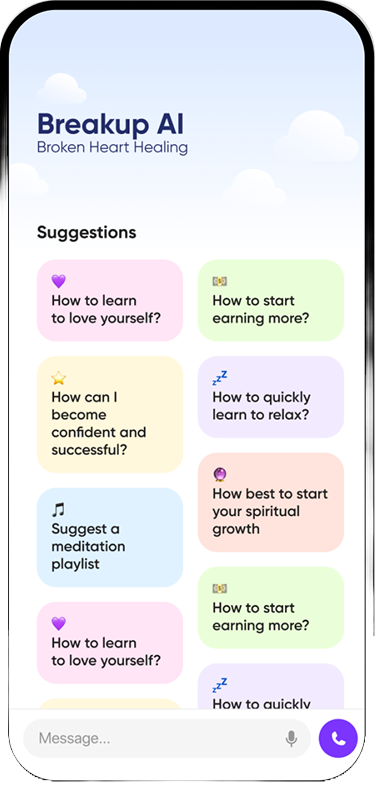
Ready to embark? Breakup.one is an AI-driven recovery ally offering round-the-clock emotional support and tailored healing programs. Visit Breakup.one and take that first step toward healing and growth.
The Bottom Line
Heartbreak can serve as a powerful catalyst for transformation and self-discovery. By embracing your emotions, redefining your purpose, and fostering connections, you lay the groundwork for a more fulfilled and resilient future.
References
- Journal of Neurophysiology – jneurophysiol.org
- Harvard Health – health.harvard.edu
- The Journal of Positive Psychology – tandfonline.com
- American Psychological Association – apa.org
- The Lancet – thelancet.com
- University of North Carolina – unc.edu