



Table of Contents
- Understanding the Science of Heartbreak
- Embracing Emotions: The First Step to Inner Peace
- Crafting a Self-Care Routine: Finding What Works for You
- Building a Support Network: You Don’t Have to Walk Alone
- Mindfulness and Meditation: Anchoring Your Peace
- Life After Heartbreak: Embracing New Beginnings
Key Takeaways
- Heartbreak triggers a physiological response similar to physical pain.
- Embracing and accepting emotions is essential for healing.
- Creating a self-care routine helps in nurturing inner peace.
- Building a support network can significantly ease the healing process.
- Mindfulness and meditation serve as powerful tools for emotional regulation.
Rachel found herself in the quiet solitude of her apartment, the city lights trickling through her curtains like whispers of a world outside—a world that hadn’t shattered as hers had. Her mind felt like a stormy ocean, with waves crashing back fragments of laughter and piercing silences where companionship once lived. Heartbreak isn’t simply emotional; it’s a physiological upheaval, like silent screams that drain your very essence. If you’re navigating this tumultuous experience, remember—you’re not alone. There’s a warm, compassionate path to healing.
“Heartbreak triggers brain activity in the same areas as physical pain.”
— Dr. Lucy Goodwin
Yet, this isn’t where the story concludes. Through intentional self-care, you can reconnect with your inner tranquility, gradually rebuilding a life with renewed meaning and joy. The journey begins with honoring your healing process and treating yourself with the gentleness you’d extend to a cherished friend.
Understanding the Science of Heartbreak
To truly embark on healing, understanding heartbreak’s profound sting is crucial. When we form emotional bonds, oxytocin and dopamine—chemicals fostering pleasure and connection—flow generously. The sudden halt to these releases during a breakup mirrors withdrawal symptoms from addiction, lending heartbreak its grip of emotional and physical anguish. Isn’t it fascinating how science explains our weariness?
Fortunately, the heart is as resilient as it is tender, capable of renewal. In fact, the Journal of Positive Psychology noted that 71% of individuals reported personal growth following emotional hardship. Recognizing heartbreak as a natural response allows you to approach self-care as a sacred endeavor—a journey, not a chore.
Embracing Emotions: The First Step to Inner Peace
Accepting your feelings without judgment is pivotal. Burst into tears, feel the anger, even a touch of relief. It’s all valid. Maya, a 28-year-old recently divorced, grappled with shame over her intense emotions. “Was I overreacting?” she pondered. But her therapist reassured her—emotions are messages, not foes. In grief, you empower yourself to heal.
In acknowledging these raw waves of emotion, genuine healing takes root.
“Emotions are energy in motion. When you acknowledge them, you prevent them from becoming stuck.”
— Dr. Sarah Chen, NYU
Crafting a Self-Care Routine: Finding What Works for You
Creating a bespoke self-care plan is a powerful way to nurture inner peace. Overwhelmed? Begin with small acts of kindness towards yourself. Dr. Goodwin advises,
“Self-care doesn’t need to be complex. Even five minutes of wellness focus can alter your day.”
— Dr. Lucy Goodwin
Why It Works: Consistent self-care can recalibrate your nervous system. Simple, joyful activities help reduce cortisol—the stress hormone—and heighten serotonin, boosting mood and resilience.
How to Do It:
- Mindful Mornings: Open your day with a quiet moment, savoring a cup of tea or coffee, breathing deeply, and setting a gentle intention.
- Creative Outlets: Engage with creativity for catharsis. Whether it’s painting, dancing, or writing, creative expression is therapeutic and freeing.
- Physical Movement: Exercise is a barometer of well-being, lifting spirits and health. A mix of yoga, running, or even walking in nature releases endorphins—nature’s mood elevator.
Building a Support Network: You Don’t Have to Walk Alone
As Dr. Chen suggests,
“Our greatest healing is found in connection.”
— Dr. Sarah Chen
Sharing the journey lightens the burden. Even if personal connections feel distant, support groups can bridge the gap. When Maya joined a local group, she discovered unanticipated solace. Hearing others’ experiences reminded her—she wasn’t alone.
Research Backs This: Social support’s pivotal role in mental health recovery is well-documented.
Ways to Build Support:
- Reach Out: Lean on friends who genuinely see and hear you. Let them know you need backing.
- Professional Help: Therapists or counselors can tailor guidance bespoke to your narrative.
- Online Communities: Spaces like HeartMend foster shared experiences and understanding.
Mindfulness and Meditation: Anchoring Your Peace
Mindfulness anchors you in the present, finding calm in the whirlwind. Numerous studies highlight mindfulness meditation’s efficacy in curbing anxiety, curbing depression, and bolstering emotional regulation. Practiced consistently, mindfulness can transform the healing journey into a rewarding pilgrimage.
Starting with Mindfulness:
- Guided Meditations: Apps like Calm or Headspace offer beginner-friendly sessions.
- Simple Practices: Centering on breath daily or being fully present during routine tasks.
Life After Heartbreak: Embracing New Beginnings
Given time and self-care, the edges of heartbreak soften, unveiling newfound strength and resilience.
“Resilience isn’t bouncing back; it’s growing through.”
— Dr. Lucy Goodwin
Your heart, albeit tender, is wise and poised for growth.
Visualize new avenues and goals that inspire you. Pursue a previously shelved hobby or plan a solo adventure; each step rekindles a sense of purpose and anticipation.
In your heart’s expedition toward healing, practice gentleness toward yourself. Healing isn’t a straight line, and backtracks are part of the map. Believe in the process.
In the quest for closure, find resilience in your heartbreak tales. Underneath the layers of pain lies growth and wisdom that heartbreak whispered into your spirit. Rachel’s poetry became her sanctuary; each verse a healing step.
The Bottom Line
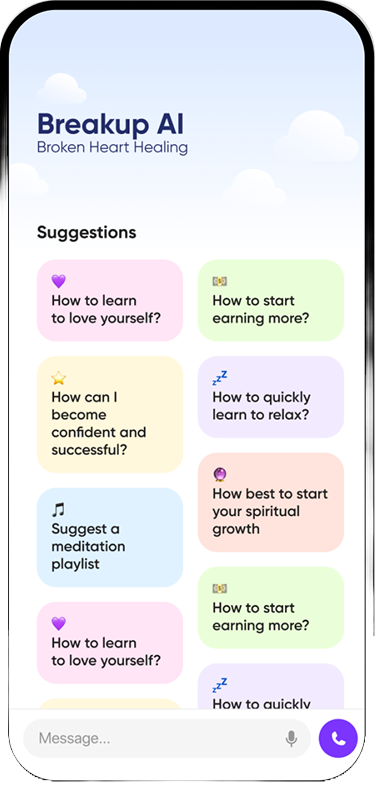
Heartbreak is the universe nudging you to uncover and nurture the unbroken core within. Let Breakup.one be your companion on this empathetic, informed healing journey.
References:
- Harvard Health Publishing
- Journal of Positive Psychology
- Mayo Clinic
- American Psychological Association
- National Institutes of Health