

Table of Contents
- Understanding Heartbreak Beyond the Emotional
- The Anchoring Power of Routine
- Nourishing Your Body: Eating with Mindfulness
- Moving for Emotional and Physical Recovery
- Building a Supportive Social Network
- Embracing Solitude with Intention
- Creativity as a Healing Medium
- Sleep: The Nightly Reset
- Honoring and Accepting Emotions
- Meditation and Mindfulness: Calming the Inner Chaos
- Reassessing and Redefining Future Goals
Key Takeaways
- Heartbreak triggers both emotional distress and physiological reactions, making healing a multi-faceted process.
- Establishing daily routines can provide structure and a sense of control following the upheaval of heartbreak.
- Mindful eating and exercise significantly contribute to emotional recovery and physical well-being.
- Building a supportive social network and embracing solitude are both essential for healing.
- Engaging in creative pursuits can serve as a powerful outlet for processing emotions and enhancing resilience.
Experiencing heartbreak can be akin to stepping into an unexpected storm, where sudden gusts leave you vulnerable and soaked in bewilderment. Imagine it: a walk along your usual bustling avenue when, without warning, clouds gather and a heavy downpour begins—more than a sprinkle, more like torrential rain. That’s heartbreak for you—intense, all-consuming, and daunting. But amid this storm, what if there was a way to rediscover strength daily, and perhaps even learn to dance amidst the raindrops?
Consider, for instance, Maya’s story. At 28, she faced the devastating end of a five-year partnership. Days blurred into weeks as she found herself anchored to bed, haunted by echoes of cherished past moments. Yet, through daily acts of self-care, Maya began to piece herself back together, rediscovering both strength and identity. Her story isn’t a solitary one. Countless others weather heartbreak, finding healing and even thriving through mindful daily actions.
Understanding Heartbreak Beyond the Emotional
Heartbreak isn’t purely an emotional upheaval; it reverberates through the body.
“Heartbreak triggers brain regions also engaged by physical pain.”
— Dr. Sarah Chen, Clinical Psychologist at NYU
This is why it hurts so deeply—more than we might expect. When in the throes of heartbreak, stress hormone levels—especially cortisol—can skyrocket. Such prolonged stress responses take a toll on your health, as shown in studies by the American Psychological Association.
Yet, understanding these physiological reactions is critical to regaining footing and initiating healing. Recognizing these responses as normal can offer solace—your body’s own method of grappling with emotional turmoil.
The Anchoring Power of Routine
When fractured, routines can act as gentle anchors, helping one navigate choppy emotional seas. Establishing a morning routine, say, can bring a sense of grounding. Start small: hydration, a splash of sunlight, and a few deep breaths.
“Morning rituals breathe purpose into each day; they restore structure where chaos previously reigned.”
— Marguerite Fields, Wellness Coach
Reason it Works: According to research from Harvard University, routines bring predictability, lending a sense of control when life feels upended.
How to Start: Fix a wake-up time. Weave in mindful moments, like five-minute journaling, focusing thoughts on gratitude and hopes for the day.
Nourishing Your Body: Eating with Mindfulness
Heartbreak can throw eating patterns out of whack—either overeating or appetite loss might ensue. During such times, feeding your body becomes essential. Mindful eating—attending to the flavors, textures, and aromas of food—anchors you to the present, supporting health and wellness.
Reason it Works: Research from the University of California indicates mindful eating improves digestion, enhances meal satisfaction, and reduces stress.
How to Start: Eat away from distractions. Concentrate on each bite, choosing comforting yet nourishing foods that fuel both body and spirit.
Moving for Emotional and Physical Recovery
Exercise might seem like the last thing you want to do, yet movement acts as a powerful healing tool. Exercise releases endorphins, natural mood boosters that also counteract stress hormones.
Physical activity doesn’t require intense workouts. Even brief, daily 15-minute walks can refresh the mind and enhance mental clarity.
Reason it Works: A Mayo Clinic study confirms regular exercise boosts mood, reduces anxiety, and fosters well-being.
How to Start: Pick exercise that resonates with you. Be it yoga, dancing, or a gentle stroll in nature, choosing activities you enjoy helps maintain consistency.
Building a Supportive Social Network
Isolation can exacerbate heartbreak. Reaching out to empathetic friends or family can offer emotional succor.
“Unburdening your heart to even one trusted confidant can ease emotional strain notably.”
— Dr. Laura Bennett, Mental Health Expert
Reason it Works: The power of human connection cannot be overstated. Studies by the National Institutes of Health affirm social networks bolster psychological well-being and longevity.
How to Start: Identify your support network—a friend, family member, or therapist. Strive to connect regularly, even if just to chat about daily happenings.
Embracing Solitude with Intention
While socializing holds importance, nurturing solitary time is also key. Treasure moments of solitude where you listen to your own needs. This period can be fertile ground for introspection and self-exploration.
Reason it Works: Fostering a healthy relationship with yourself can bolster self-worth, reducing dependency on outside validation for happiness. The Greater Good Science Center at UC Berkeley emphasizes that self-reflection enhances emotional intelligence.
How to Start: Engage in activities that empower you, whether painting, reading, or picking up new hobbies. Use solitude for self-discovery and growth.
Creativity as a Healing Medium
Heartbreak can serve as a rich source for creative exploration. Through writing, art, music, or dance, channeling emotions into creative forms can be intensely restorative.
Reason it Works: Artistic expression has been linked to decreasing symptoms of depression and anxiety, fostering resilience. According to the American Journal of Public Health, engaging in the arts can raise self-esteem and fortify community ties.
How to Start: Dedicate time weekly to a creative pursuit. Artistic expression needn’t be perfect—allow it to become a path for emotional catharsis.
Sleep: The Nightly Reset
Heartbreak often disrupts sleep cycles, yet sleep is critical for emotional mending. Aiming for restorative sleep supports mental function, mood balance, and overall wellness.
Reason it Works: The Sleep Foundation emphasizes that good sleep aids in emotional regulation, helping in problem-solving and developing coping mechanisms.
How to Start: Cultivate a soothing bedtime routine, curtailing screen time an hour before bed, perhaps swapping your phone for a book or relaxation exercises like deep breathing.
Honoring and Accepting Emotions
Suppressing emotions delays healing. Instead, honor them without judgment.
“Mourning loss is innate. Healing commences with acknowledgment.”
— Dr. Noah Whitaker, Authority on Emotional Resilience
Reason it Works: Emotional acceptance is associated with lower anxiety and depression levels. Research from Johns Hopkins University shows those who face their emotions recover more completely.
How to Start: Give yourself permission to feel, guilt-free. Whether through tears or journaling, understanding the natural grieving process aids in moving forward.
Meditation and Mindfulness: Calming the Inner Chaos
Practices like meditation and mindfulness are powerful allies in easing internal chaos. Regular practice enhances self-awareness, diminishes stress, and alleviates sadness.
Reason it Works: Reports from the National Center for Complementary and Integrative Health highlight mindfulness reduces stress and anxiety, promoting overall emotional well-being.
How to Start: Explore guided meditations focusing on breath and present awareness. Tools like Headspace or Calm can ease you into this practice.
Reassessing and Redefining Future Goals
As the acute pain dims, seize this juncture to reevaluate life aspirations. Turn heartbreak into an opportunity to align your life with genuine desires.
Reason it Works: Setting goals fosters purpose and fulfillment. According to Harvard Business Review, goals drive motivation and personal achievement.
How to Start: Reflect on future life aspirations. Set precise, achievable goals that excite you and resonate with core values.
Heartbreak, though harrowing, can spark tremendous growth and metamorphosis. Like Maya, who rekindled her passion for photography and began seeing the world anew, you too can rise from heartbreak stronger and more resilient.
Remember, healing is not a linear path. It demands patience and self-compassion. Allow self-care’s journey to manifest your resilience and courage.
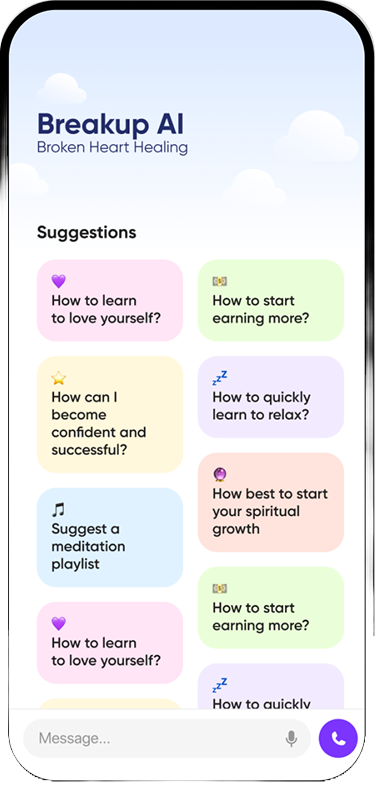
For ongoing support, explore the AI-backed heartbreak recovery tool, Breakup.one, offering constant emotional guidance and curated healing programs: Breakup.one.
The Bottom Line
Heartbreak is undoubtedly painful, but with the right approaches to self-care and healing, it can lead to profound personal growth and resilience. Embrace the journey, and allow yourself to reconnect with your true self.
References
- American Psychological Association
- Harvard Health Publishing
- UC Berkeley Health
- Mayo Clinic
- National Institutes of Health
- Greater Good Science Center
- American Journal of Public Health
- Sleep Foundation
- Johns Hopkins Medicine
- National Center for Complementary and Integrative Health
- Harvard Business Review