



Table of Contents
- Deciphering the Hurt
- Understanding Why It’s Crucial
- Embracing the Full Emotional Spectrum
- The Necessity of Support
- Reimagining Selfhood
- Compassionate Self-Talk
- Cultivating a Healing Space
- Crafting Your Life Narrative
- Extracting Lessons and Growing
- Embracing New Beginnings
- The Bottom Line
- References
Key Takeaways
- Breakups can trigger profound emotional pain similar to physical pain, highlighting the importance of active healing.
- Acknowledging and expressing emotions are essential steps in the healing process.
- Social support is crucial; connecting with friends, family, or online communities helps alleviate emotional burden.
- Rediscovering one’s identity post-breakup is a vital part of personal growth and resilience.
- Compassionate self-talk and creating a peaceful environment can enhance emotional recovery.
Deciphering the Hurt
A breakup strikes like a bolt from the blue—sudden, jarring, and utterly disorienting. It can transform the familiar tapestry of your life into a tangle of threads overnight. Take Maya, for instance, a 28-year-old who stood on the precipice of an uncertain future when her five-year marriage abruptly ended. Divorce papers, once unimaginable, became her reality, leaving her to wrestle with the rawness of grief, anger, and heartache. We’ve all been there in some form, haven’t we? Wondering how on earth do we navigate this emotional labyrinth?
“The brain processes emotional pain similarly to physical pain. That’s why it can seem so agonizing.”
— Dr. Sarah Chen, Psychologist, NYU
Imagine the detox process—a harsh withdrawal from those ‘feel-good’ hormones, like dopamine, that relationships so generously provide. Make no mistake, healing isn’t just about waiting it out.
Understanding Why It’s Crucial
Simply riding the time wave won’t cut it. Unresolved emotional pain has a sneaky way of creeping into future relationships, tainting them with shadows of the past. A pivotal publication in the Journal of Positive Psychology claims most people start reclaiming their happiness approximately 11 weeks post-breakup. Yet, actively engaging with your grief can fast-track this transformation. It’s an uphill climb, sure, but one worth every step.
Embracing the Full Emotional Spectrum
Never underestimate the power of acknowledging your emotions. Emotional healing demands a radical acceptance of your current state.
“Rather than suppressing feelings, find a safe space to express them.”
— Dr. Julia Bretton, Expert in Relationship Grief
Journaling, chatting with a confidant, or even therapy—each avenue provides a mirror to your chaos, a means to dissect and understand.
The Necessity of Support
Isolation? A surefire route to protracted pain. Researchers note that social support plays a pivotal role in healing from breakup-related distress. Lean on friends, family, or even digital communities. Online groups can be a goldmine of camaraderie, reinforcing the truth—you’re not alone in this messy, unpredictable journey.
Reimagining Selfhood
In relationships, our identities become a blend of “us.” Post-breakup, it’s about rediscovering “I.”
“Reclaiming your identity can spark growth, bridging past and present selves—a vital leap toward resilience.”
— Dr. Lisa Neff, Expert in Relationship Psychology
Compassionate Self-Talk
Negative self-talk often rings loud post-breakup. However, self-compassion can counter this destructive narrative.
“Integrating self-kindness, common humanity, and mindfulness can buffer ourselves against emotional pain.”
— Kristin Neff, Researcher on Self-Compassion
Cultivating a Healing Space
The environment around you matters more than you think. Curate a sanctuary with items that elicit peace and positivity—a haven where comfort thrives.
Crafting Your Life Narrative
Dr. Chen suggests that reconstructing your life’s narrative post-breakup is vital. Recognize the close of one chapter, but don’t forget—the next is filled with possibilities. With new goals to set, embrace the unknown.
Extracting Lessons and Growing
Sure, seeing a breakup as a growth opportunity is tough, but reflect deeply. Discovering what truly matters to you in relationships can empower future love stories with invaluable wisdom.
Embracing New Beginnings
In healing, don’t overlook the joy possible in singleness. Pursue enriching endeavors, create lasting memories, and perceive this phase as a reawakening—a chance for exhilarating self-discovery.
The Bottom Line
Remember, healing is seldom a straight line—twists and turns are par for the course. Some days feel insidious, others restorative, but every step forward is progress. Acknowledge your resilience. Slowly, through embracing both your strength and vulnerability, peace will emerge from the chaos.
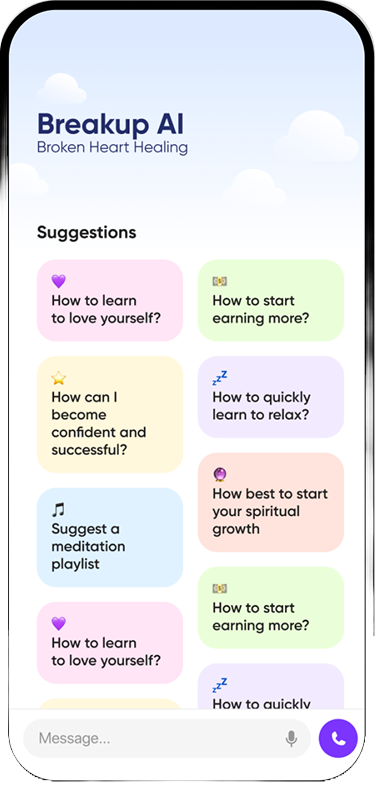
Looking for more support? Consider platforms like Breakup.one; your supportive digital companion, bridging loneliness with a touch of personalized guidance.
References
- Journal of Positive Psychology.
- Psychological Science.
- Kristin Neff’s insights on self-compassion.