



Table of Contents
- Understanding the Emotional Impact of Heartbreak
- Journey Through Self-Reflection and Acceptance
- Reach Out to Your Tribe
- Physical Wellbeing in Your Emotional Toolkit
- Anchor with Mindfulness and Meditation
- Establish a Routine to Steady Yourself
- Explore New Hobbies—and Rediscover Joy
- Know When to Seek Professional Support
- Shift Towards a Positive Outlook
- Heartbreak’s New Horizon
Key Takeaways
- Heartbreak involves a deep emotional impact that can trigger both mental and physical responses.
- Self-reflection through journaling helps in processing emotions and finding closure.
- Social connections play a crucial role in healing and enhancing self-worth.
- Physical activities and mindfulness practices contribute significantly to emotional well-being.
- Seeking professional help when needed is a sign of strength, not weakness.
Understanding the Emotional Impact of Heartbreak
Here you are, caught in a whirlwind of feelings—anger, sadness, confusion, sometimes even relief—all swirling around like a storm. Heartbreak doesn’t just break your heart; it affects your whole system. Studies have found fascinating parallels between emotional and physical pain. In fact, back in 2011, a study by Kross and colleagues at the University of Michigan revealed that social rejection can cause real, tangible pain akin to physical injury.
Heartbreak might mess with your appetite, screw up your sleep, and obscure your ability to think clearly. But understanding that this is biology—not weakness—is oddly reassuring.
“Acknowledging heartbreak as a legit, deeply impactful experience is the first baby step toward recovery.”
— Dr. Sarah Chen, Clinical Psychologist at NYU
Journey Through Self-Reflection and Acceptance
Kicking off your healing path through self-reflection and acceptance is paramount. Reflect on the dynamics of the relationship—yes, both the sunlit days and the stormy nights. Have you tried journaling? It can be like holding a mirror to your own thoughts, helping you find closure. Take Jason, for instance, a 30-year-old software developer, who, after his breakup, took to journaling.
“It was like having a conversation with myself—I could express things I didn’t even know were weighing me down.”
— Jason, 30
Why it works: Dr. Maryanne Fisher from Saint Mary’s University notes that self-reflection helps process emotions.
“Writing down your thoughts can lessen their grip on you.”
— Dr. Maryanne Fisher, Saint Mary’s University
How to do it: Carve out a quiet moment each day. Let your pen dance across the paper without censorship. Over time, you might zigzag towards clarity and understanding.
Reach Out to Your Tribe
Breaking up can make you feel like you’re the last person stranded on earth, but it’s crucial to reach out—friends, family, a book club, you name it. According to a study from Harvard, social connections significantly reduce emotional stress and bolster resilience.
Why it works: Humans aren’t meant to weather storms alone. Connections provide not only a distraction but also validation and different perspectives.
“Your support system reminds you that you’re cherished, boosting your self-worth.”
— Dr. Sarah Chen, Clinical Psychologist at NYU
How to do it: Call up an old friend, plan a coffee date, or join a virtual hangout. Even if it’s not about your woes, the point is to feel the warmth of community.
Physical Wellbeing in Your Emotional Toolkit
The mind and body are a package deal. And when heartache strikes, self-care of the body becomes a powerful ally. Consider how Maya turned to yoga and mindful eating, finding unexpected strength in these rituals.
Why it works: Endorphins released during exercise are your body’s natural stress busters. Mayo Clinic underscores the role of regular physical activity in boosting mood and mental health.
How to do it: Choose a physical activity you genuinely enjoy—be it dancing, hiking, or cycling. Eating whole, nutritious foods can stabilize mood and energy. But remember, it’s always wise to consult a healthcare professional when making big lifestyle swings.
Anchor with Mindfulness and Meditation
Mindfulness and meditation bring you back from the edge, tethering you to the present moment like a lifeline. When memories of the past threatened to overwhelm her, Maya found solace in daily meditation sessions.
“It stopped the endless ‘what-ifs’—pulling me back to the now.”
— Maya, 28
Why it works: Mindfulness can ease stress and enhance well-being by promoting an aware but non-judgmental view of the present. Dr. Jon Kabat-Zinn’s work in this field shows how grounding it can be for emotional stability.
How to do it: Start using apps like Headspace or Calm. Spend a few minutes focusing on your breath each day. Notice sensations without judging—isn’t it amazing how much peace a breath can bring?
Establish a Routine to Steady Yourself
Post-breakup chaos can feel unsettling—routine is your anchor in the storm. Jason, once feeling adrift, structured his days with morning runs and unwinding in the evenings to reclaim some stability.
Why it works: Routines instill a sense of control—crucial during times of upheaval.
“A structured day keeps the overwhelming chaos at bay, providing some normalcy.”
— Dr. Sarah Chen, Clinical Psychologist at NYU
How to do it: Plan your day in a simple outline. Ensure basics like meals, work, and bedtime are covered, but sprinkle in self-care and joy. Remember, life should be flexible enough to allow spontaneity too.
Explore New Hobbies—and Rediscover Joy
After the immediate, all-consuming grief has dulled a tad, venturing into new hobbies can be a beacon of hope. When Maya dipped a brush into her paint palette, finding unexpected delight and purpose followed close behind.
Why it works: Engaging in new passions is the antidote to brooding over heartache, affirming your identity beyond the past relationship. What’s more powerful than self-discovery?
How to do it: Consider the hobbies you’ve always wanted to pursue. Whether cooking exotic meals, strumming a guitar, or volunteering, embrace them with curiosity.
Know When to Seek Professional Support
Sometimes, the burden of heartbreak can feel too immense to carry alone. In those moments, a therapist or counselor can provide invaluable perspective. When Jason couldn’t navigate the murkiness, therapy offered him insights and strategies.
Why it works: Therapy creates a haven to explore emotions honestly. With tools tailored to you, therapists can reduce post-breakup blues. As highlighted by the American Psychological Association, it’s a path well worth considering.
How to do it: Look for licensed professionals focusing on relationship issues. Many offer affordable sliding-scale fees or online sessions—making help just a bit more accessible.
Shift Towards a Positive Outlook
As you journey towards healing, revamping your perspective on the breakup can transform endings into beginnings. Maya learned to dream anew, redefining what brought her joy.
Why it works: Positive reframing isn’t about faking happiness overnight but about recognizing room for growth beyond the pain.
“It’s moving from ‘this is the end’ to ‘what’s next?'”
— Dr. Maryanne Fisher, Saint Mary’s University
How to do it: Challenge your negative thoughts, remind yourself of the silver linings. Growth often blooms from the darkest patches.
Heartbreak’s New Horizon
Amid the aftermath of heartbreak, as you gather the fragments, hope and light can eventually prevail. The pain, oh—it won’t vanish instantly. But every self-care practice you engage in gradually sculpts a more resilient, hopeful version of yourself. You’re courageous enough to turn this heartache into a fresh start.
Value your emotional health—it is worth every bit of attention you devote. These self-care steps aren’t merely for healing, but for transformation. On lonely nights or during daunting days, know that guidance is out there. Never hesitate to seek support; remember, through these trials, you’re never truly alone.
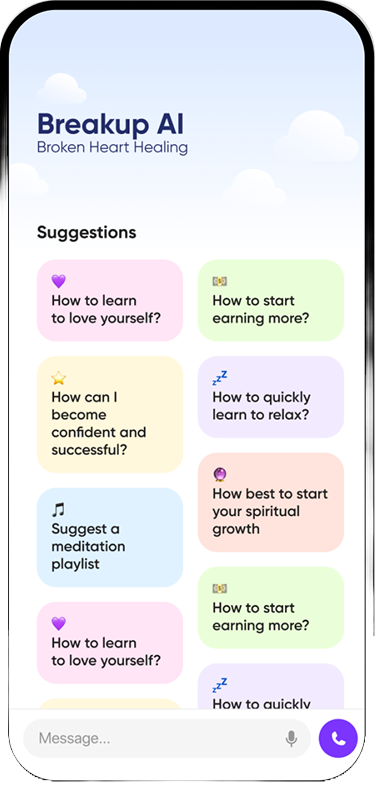
For those navigating heartache, consider exploring Breakup.one—a platform offering 24/7 support and guided healing programs. It’s like your pocket companion for the way forward.
The Bottom Line
Heartbreak may disrupt your world, but it doesn’t dictate what’s next. With self-compassion, you can find the courage to turn the page and usher in new chapters of possibility.