



Table of Contents
- The Science Behind Broken Confidence
- Understanding Why Confidence Dips
- Steps to Rebuild Confidence
- Letting Go of Unhealthy Patterns
- Building Forward with Confidence
- Embracing a New You
Key Takeaways
- Allowing space to grieve is crucial for healing.
- Reconnecting with your identity helps rebuild confidence.
- Small victories should be celebrated to bolster self-esteem.
- Challenging negative self-talk is essential for self-empowerment.
- Setting new goals can inspire hope and motivation.
As Emily found herself alone on her couch, a stark reminder of what used to be a shared space, she was overwhelmed by a sense of uncertainty. Her relationship—once her anchor—had drifted into the past. In its void, insecurities crept in, whispering doubts about her own worth. If you’re facing a similar crossroad, take heart; you have company. Breakups have a knack for leaving us stripped bare, wrestling with self-worth and shaky confidence.
Rejuvenating confidence post-breakup is no small feat; it’s a complex tapestry of soul-searching and mending. The path is strewn with hurdles but also triumphs. So, how does one chart a course through this emotional terrain that truly fortifies self-belief and offers a fresh start?
The Science Behind Broken Confidence
Breakups can strike with severity akin to personal bereavements. Clinical psychologist Dr. Lisa Firestone poignantly observes,
“Losing a relationship often translates to losing a future imagined—a blow as harsh as grieving a loved one.”
— Dr. Lisa Firestone, Clinical Psychologist
Scientific insights from NIH affirm this profound impact. Their studies reveal our brains process the sting of heartbreak much like physical pain. No wonder the recovery path feels like trudging through quicksand.
Consider Maya, who at 28, found herself unmoored by a divorce. “I felt lost in a fog,” she admits, poignantly illustrating how intertwined identities can become in relationships. For so many, disentangling selfhood from coupledom becomes the immediate post-breakup challenge.
Understanding Why Confidence Dips
Many of us hang our self-worth on the peg of external validation through relationships. Thus, the withdrawal of such assurances can leave us floundering. Unsurprisingly, breakups unleash an avalanche of doubts.
Clinical psychologist Dr. Sarah Chen of NYU explains,
“Breakups often dismantle our self-concept—the transformation from ‘we’ to ‘me’ leaves a void.”
— Dr. Sarah Chen, Clinical Psychologist
According to research highlighted in the Journal of Personality and Social Psychology, feelings of inadequacy and rejection are commonplace post-separation. This makes intentional steps toward rebuilding confidence indispensable.
Steps to Rebuild Confidence
- 1. Allow Yourself to Grieve
To begin with, it’s vital to allow space for mourning what was lost. Bottling up grief only stifles healing. Embracing your sorrow isn’t a sign of frailty—it’s a testament to your readiness to move on.
Why it Works: Emotional catharsis averts pent-up feelings, which could fester into anxiety or depression. Grieving honors the closure process.
How to Do It: Establish a sanctuary for emotional expression. This could be through journaling, confiding in a friend, or therapy.
- 2. Reconnect With Your Unique Identity
Rediscovering yourself post-breakup is crucial. Setting personal ambitions and revisiting interests can reignite confidence.
Why it Works: Delving into self-exploration reconstructs your sense of self. Positive psychology suggests that personal growth fuels lasting self-esteem.
How to Do It: Re-engage with hobbies you sidelined. Pursue projects that encourage creativity—painting, writing, joining groups. Reflect on your core values and aspirations.
- 3. Celebrate Small Victories
In the aftermath of a breakup, even minor achievements are monumental and merit celebration.
Why it Works: Acknowledging each success boosts positive self-imaging and dopamine levels, nurturing wellbeing.
How to Do It: Keep a success journal documenting your achievements, from nailing a new recipe to hitting a fitness target. Reward yourself when you meet these milestones.
- 4. Build a Supportive Network
Being surrounded by uplifting individuals is key.
Why it Works: A strong support network staves off isolation and promotes emotional grounding. Research from Harvard indicates socially connected people enjoy better mental health.
How to Do It: Reconnect with friends and family who buoy you up. Explore support groups, either local or online, where shared experiences can catalyze healing.
Letting Go of Unhealthy Patterns
- 5. Challenge Negative Self-talk
The post-breakup voice inside often berates us with criticism.
Why it Works: Altering damaging thought cycles lies at the heart of CBT. Recasting them into affirmations can revolutionize self-view and confidence.
How to Do It: Replace any negative scripts with positive evidence. If you think, “I’m unlovable,” counteract it with memories of love received, asserting “I am worthy of affection.”
- 6. Practice Mindfulness and Self-compassion
Mindfulness can anchor you, sparing you from emotional overwhelm.
Why it Works: Mindfulness reduces anxiety by anchoring you in the now, while self-compassion encourages gentleness toward oneself, fostering resilience.
How to Do It: Set aside daily moments for meditation or breathing exercises. Cultivate self-compassion by acknowledging pain and offering yourself comforting words.
Building Forward with Confidence
- 7. Set New Goals
Glimpsing into future potentials can rekindle passion and hope.
Why it Works: Goal-setting ignites motivation and self-belief, steering focus from past losses to new possibilities.
How to Do It: Pinpoint what you wish to achieve in both the near and distant future. Dismantle these aims into realistic steps, tackling them progressively.
- 8. Seek Professional Help if Needed
Sometimes self-guided healing needs reinforcement from experts.
Why it Works: Therapy provides a nurturing framework for exploring emotions and cultivating coping skills. Counseling has been shown to significantly enhance personal development.
How to Do It: Seek therapists knowledgeable in relationship dynamics. Cognitive-behavioral therapy offers structured, goal-focused growth.
Embracing a New You
At this juncture, you may feel fractured. But these steps can rebuild your confidence into a stronger form. It’s not just about picking up pieces; it’s an opportunity to consciously reinvent yourself.
Your breakup story is more than an end — it’s about the bravery to plot anew. Emily, like countless others, found she wasn’t shattered, but on the cusp of renewal. As you traverse this path of reclaiming your confidence, cherish the voyage of rediscovery ahead.
Through these practices—seen not as mere to-dos but as transformative journeys—you’ll find yourself not only regaining confidence but discovering empowerment. The future you will undeniably be grateful.
The Bottom Line
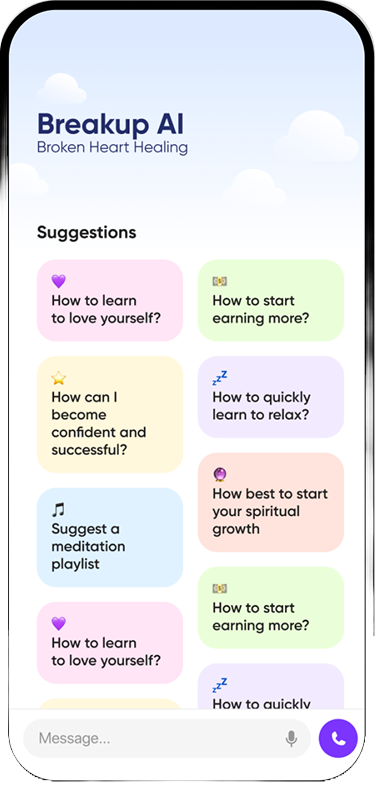
Rebuilding confidence demands emotional resilience, identity rediscovery, and positive self-reflection. Trust that patience and kindness to yourself will unveil the confidence you seek. For anyone needing to talk, Breakup.one offers round-the-clock support personalized for these journeys.
References:
- National Institutes of Health (NIH)
- American Psychological Association (APA)
- Harvard University
- Mayo Clinic