



Table of Contents
- Understanding Breakup Depression – Why It’s Not Just “Heartache”
- Starting Your Healing Journey: Self-Compassion Is Key
- Rebuilding Your Life – The Power of Routine
- Engaging with New or Rediscovered Passions
- Nurturing Positivity – Constructive Self-Talk
- Establishing Future Goals – Looking Ahead
- Takeaway: Healing is a Beautiful, Personal Journey
- The Bottom Line
- References
Understanding Breakup Depression – Why It’s Not Just “Heartache”
Navigating this rocky emotional landscape can leave you feeling locked in a cycle of melancholy, lethargy, and indifference.
“Breakup depression isn’t merely sadness. It’s a deep sense of loss that touches every corner of your being.”
— Dr. Sarah Chen, NYU Clinical Psychologist
According to the American Psychological Association, around 60% of individuals report significant distress post-breakup, manifesting symptoms akin to clinical depression.
When despair feels like shards of glass in your heart, remember this—science supports your experience. As the Journal of Neurophysiology reports, your brain’s reward centers react to breakups similarly to physical injuries. Your heartbreak is authentic, its roots grounded in scientific fact, underscoring the importance of validating your feelings. This turmoil stems from severed attachment bonds, triggering withdrawal symptoms not unlike those faced by addicts.
Starting Your Healing Journey: Self-Compassion Is Key
You might feel burdened, contemplating when relief will dawn at long last. Allow grief its deserved space.
“To truly move forward, grant yourself the freedom to feel. This acceptance is not weakness but profound self-love.”
— Dr. Lisa Marie Bobby, Clinical Psychologist
Why does this work? Neuroplasticity—the brain’s innate ability to rewire through new experiences—flourishes in environments nurtured by self-compassion, fostering resilience against emotional turmoil.
- Acknowledge and Validate Your Feelings: Journal without self-critique. Confront emotions directly to diminish their grasp.
- Mindful Meditation: Anchor yourself through practices like those on apps such as Headspace, emphasizing self-kindness.
- Seek Support: Confide in friends or engage a therapist. A solid support network matters immensely.
Rebuilding Your Life – The Power of Routine
Sounds familiar? The monotony that trails breakups can be stifling. Routine brings a sense of order and predictability—a welcome refuge.
“It gave me purpose and something to anticipate each morning.”
— Jasmine, Graphic Designer
Routine’s magic lies in its ability to usher a sense of stability, as shown in a study from the Journal of Anxiety and Stress Management, linking structured living with lower stress and better emotional well-being.
- Morning Rituals: Start simple—make your bed, stretch for ten minutes.
- Exercise: Go for a jog, delve into yoga, or dance freely at home; exercise promotes serotonin, the good-mood hormone.
- Regular Meals: Schedule your meals to regulate blood sugar, directly impacting mood.
Engaging with New or Rediscovered Passions
A breakup, while painful, can become an unexpected gift: a chance to rediscover individual interests.
“He unearthed new perspectives and genuine happiness in solitude.”
— Dylan, Photographer
Creative endeavors can harness emotional regulation, according to a 2019 study by the National Endowment for the Arts. Activities like art, music, or writing calms anxiety and alleviates depressive symptoms.
- Reflect on Past Interests: Dig into hobbies loved pre-relationship. Rekindle dormant passions.
- Try New Things: Attend workshops or community classes. Use resources like Meetup to discover new interests and friendships.
- Document Your Progress: Keep a project journal. Small victories can maintain motivation.
Nurturing Positivity – Constructive Self-Talk
Your self-narrative holds the power to uplift or undermine your healing journey. After a breakup, self-dialogue can often spiral downward, with
“A breakup doesn’t define you. You forge your path ahead.”
— Dr. Lee Phillips
advising that identifying and reshaping negative thoughts is crucial.
Cognitive Behavioral Therapy (CBT) teaches that reformulating thought perceptions affects emotional responses. Healthier self-talk can dramatically enhance mental and overall life satisfaction.
- Identify Negative Patterns: Note self-doubt moments and their triggers. Awareness is the precursor to change.
- Reframe with Positivity: Counter each negative idea with affirmations like “I am resilient” or “Tomorrow holds opportunities.”
- Talk to Yourself as a Friend: How would you support a friend? Return that same kindness inward.
Establishing Future Goals – Looking Ahead
Breakups can mark significant turning points. New goals offer hope and forward momentum. After her breakup,
“It felt liberating to envision the person I aspired to be.”
— Sarah, Aspiring Professional
listed aspirations for the following year, focusing on personal growth and career endeavors.
Goal-setting instills purpose. Evidence from Harvard’s MBA program suggests that individuals with clearly defined goals achieve success tenfold compared to those without.
- Reflect on Personal Aspirations: Assess your current position and desired destination. List three inspiring long-term goals.
- Utilize Vision Boards: Create visual representations of your dreams with images and quotes.
- Break Goals Down into Steps: Tackle big goals incrementally, celebrating each small triumph along the path.
Takeaway: Healing is a Beautiful, Personal Journey
In the aftermath of heartbreak, recognize your resilience. This painful chapter can lead to profound growth and newfound self-awareness. Healing isn’t a straight path. Progress can mean moving two steps forward, then one back. But that’s part of the process.
Key Takeaways
- Breakup depression is a profound emotional experience, validated by science.
- Self-compassion and acceptance play crucial roles in the healing journey.
- Establishing a daily routine can provide structure and stability.
- Engaging in creative activities can enhance emotional well-being.
- Setting future goals can foster personal growth and a sense of purpose.
The Bottom Line
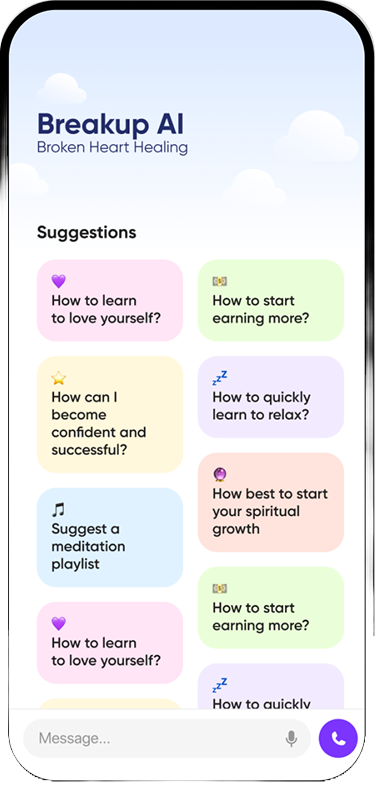
Embrace this phase not as an end, but as the beginning of a vibrant, promising future. In challenging times, consider options like Breakup.one, a digital heartbreak recovery resource providing 24/7 emotional support and structured healing programs.
References
- American Psychological Association.
- Journal of Neurophysiology.
- Harvard Health.
- National Endowment for the Arts.
- Harvard Business Review.