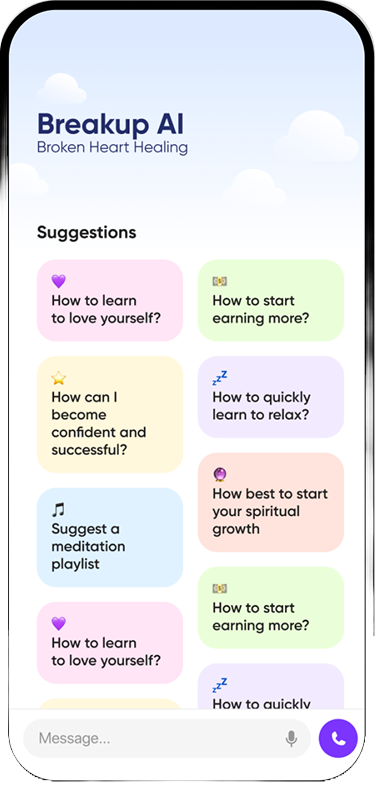




Imagine, if you will, sitting quietly in your living room. The familiar embrace of your favorite chair, once a source of comfort, feels cold and unsympathetic today. A mug of tea grows tepid in your hands, its warmth fleeting — much like the relationship you’re mourning. Your phone glows with empty promises of distraction, suggesting Netflix shows as a balm for your wounded heart. Heartbreak, though unseen, is a profound force. It weaves itself through your chest, a constant reminder of what was. If you’re here because the weight of a breakup is heavier than you can bear alone, take heart. You’re in good company — many have trod this thorny path and emerged with resilience as their reward. Self-care is more than a trendy term; it’s the very foundation of healing, a way back to yourself.
Table of Contents
- The Heartbreak Experience
- Understanding the Importance of Self-Care
- Why Self-Care is Essential
- Rediscovering Routine
- Building a Strong Foundation: Physical Self-Care
- Cultivating Emotional Self-Care
- Filling the Spiritual Cup
- Creative Self-Care
- Nourishing Self-Care Through Nutrition
- Practicing Self-Compassion
- A New Beginning
Key Takeaways
- Heartbreak can manifest physically, impacting overall health.
- Self-care is essential for emotional and physical healing.
- Establishing routines and seeking supportive connections can aid recovery.
- Engaging in hobbies and mindfulness can facilitate emotional release.
- Nourishing your body plays a crucial role in self-love and recovery.
The Heartbreak Experience
I spoke with Emily, 25, in the wake of her five-year relationship dissolving. She described her life post-breakup as a landscape of endless days and aimless pursuits. “Everything felt pointless,” she recalled somberly, noting how her once-sunny demeanor was eclipsed by sorrow. Her story is not solitary. It’s a tale many know by heart, and heartbreak often manifests in tangible ways — headaches, fatigue, a weakened immune system. The American Psychological Association recognizes these physical symptoms as common fallout from emotional upheaval.
Understanding the Importance of Self-Care
It’s crucial to recognize the emotional marathon you’re running. I reached out to Dr. Sarah Chen, a distinguished psychologist at NYU, who noted,
“Heartbreak can activate brain regions similar to those triggered by physical pain.”
— Dr. Sarah Chen, Psychologist
painting a vivid picture of the profound distress it involves. Self-care, then, is not just a luxury but a necessity. It’s about piecing together the frayed parts of yourself with compassion and patience.
Why Self-Care is Essential
Science supports what your gut may already tell you — taking care of yourself is vital. Acts of kindness directed inward can reduce stress levels, instill calm, and bolster your resilience. When you’re in the thick of heartache, stress hormones like cortisol skyrocket, harming your overall health. A 2021 Yale study starkly highlighted the significant role mindfulness and self-compassion play in curbing anxiety and depression.
Rediscovering Routine
The end of a relationship often disrupts daily rituals, leaving you to wander aimlessly through your days. Emily recounted how simple things like making the bed rebuilt her shattered routine into something of a sanctuary. Routine can offer a sense of stability when life feels wildly unpredictable. Hydrate. Eat nourishing foods. Sleep well. Dr. James Walters from Harvard advised,
“Routines bring us back from the brink during emotional crises, anchoring us in something steady.”
— Dr. James Walters, Harvard
Building a Strong Foundation: Physical Self-Care
- Move Your Body
Even the gentlest physical activity holds transformative power. Be it yoga, a brisk walk, or dancing in the kitchen, movement releases endorphins — nature’s own mood lifters. Dr. Chen added,
“Movement transforms emotional pain into vitality, igniting a spark in the darkest times.”
— Dr. Sarah Chen, Psychologist
- Balance Your Sleep
Rest seems like a distant memory, doesn’t it? Yet, it’s essential. Prioritize sleep hygiene, cherish your routine, limit screen time before bed — or at least try to. A well-rested mind is better suited to face emotional torrents.
Cultivating Emotional Self-Care
- Embrace Your Emotions
Suppressing your feelings might seem easier, but in the long run, it’s the opposite. Grieve openly. Journaling offers a canvas to untangle the labyrinth of emotions.
“Write not to impress, but to express.”
— Dr. Sarah Chen, Psychologist
- Seek Supportive Connections
Though heartbreak feels isolating, remember that community serves as a lifeline. Reengage with friends, family, or therapy groups — sharing your burdens can lighten them. Maya, 28, shared how leaning on friends during her divorce gave her fresh perspectives and solace.
“Healing felt possible with their reassurance.”
— Maya, Survivor
Filling the Spiritual Cup
- Mindfulness and Meditation
Mindfulness acts as a balm for a restless mind. Meditation nurtures peace, quiets mental tumult. If you’re new to it, apps like Headspace lend a guiding hand. Yale’s research showed regular meditation tempers emotional reactivity, fostering stability.
- Nature Therapy
Nature, with its subtle but profound rhythms, extends an invitation to restore balance. Be it a park stroll or simply sitting in a sunbeam, nature’s embrace can be a gentle antidote to chaos.
Creative Self-Care
- Rediscover Hobbies
Lose yourself in pursuits that captivate. Painting, writing, or gardening grants a reprieve from the grip of heartache. Emily shared how art became her voice when words fell short, offering her a medium for emotional release.
- Savor New Experiences
New beginnings can be daunting but also exhilarating. Try cooking classes, join a book club, or explore an unfamiliar hobby. These ventures not only distract but ignite passion anew.
Nourishing Self-Care Through Nutrition
Heartbreak tends to wreak havoc on eating habits. View nourishment as self-love in action. Omega-3-rich foods like salmon or walnuts support brain health and mood, the Mayo Clinic suggests. Even small culinary rituals can reinforce a sense of care.
Practicing Self-Compassion
After a breakup, you might judge yourself harshly. Instead, nurture self-compassion — treat yourself as a friend would. Dr. Chen’s words resonate,
“Remember, you’re navigating a complex emotional journey. Be kind to yourself as you navigate these waters.”
— Dr. Sarah Chen, Psychologist
A New Beginning
Time has a way of softening sharp edges. Days fold into weeks, and you’ll find moments of unexpected joy breaking through. A stolen smile, a fleeting laugh — indicators of your heart mending. This journey won’t be linear, expect ups and downs, yet each step forward through self-care ushers you closer to renewal.
Heartbreak does not define you; it refines you. Through it, you may find strength and wisdom anew. As you heal, let self-care become not just a phase but a lifelong pursuit, delicately attuned to your evolving self. Trust that brighter days await, sparked by newfound self-love.
*Find solace in Breakup.one’s around-the-clock emotional guidance and personalized healing programs. Connect with a community whose purpose is to empower your recovery.* Explore Breakup.one
The Bottom Line
Embracing self-care after heartbreak cultivates a nurturing environment for healing. The journey is personal and unique, with each step forward strengthening your sense of self and preparing you for a brighter future.
References