



Table of Contents
- Understanding Emotional Pain Post-Breakup
- Allow Yourself to Grieve
- Rebuild Your Identity
- Practice Self-Compassion
- Seek Professional Support
- Foster Forgiveness
- Set Intentional Boundaries
- Embrace the Future with Optimism
Key Takeaways
- Emotional pain after a breakup is similar to physical pain and involves grieving shared hopes.
- Processing grief openly can lead to a quicker recovery.
- Rediscovering your identity and practicing self-compassion is crucial for healing.
- Seeking professional support can provide necessary tools and perspectives.
- Forgiveness can release bitterness and improve mental health.
The brisk chill of the early morning pierced her as Maya sat with her lukewarm cup of coffee, attempting to find solace in a bustling café that somehow felt just as empty as her life post-divorce. Though time had passed, her heart still ached, the burden of her loss an unwelcomed shadow. Breakups aren’t merely the end of a relationship—they’re seismic emotional upheavals that demand deep healing and tender self-compassion.
If your eyes are skimming these words, you might be echoing Maya’s heartache. Healing from the emotional fallout of a breakup can seem like an insurmountable task, leaving you feeling utterly alone. Yet, there are ways to piece your heart back together—to rediscover yourself, really. Let’s delve into this journey with reflections from relationship experts and time-tested research.
Understanding Emotional Pain Post-Breakup
The dissolution of a relationship isn’t limited to losing a partner; it often devastates the future you imagined with them.
“Emotional pain following a breakup is not solely about losing a companion,”
— Dr. Sarah Chen, Clinical Psychologist at NYU
“it’s about the loss of shared hopes and dreams.”
When cherished dreams crumble, the emotional burden can mimic genuine physical pain. Back in 2011, a story from The Guardian reported on research underscoring that the brain regions activated by social pain overlap with those triggered by physical discomfort. It’s little wonder why breakups are excruciating—they really, truly hurt.
Allow Yourself to Grieve
First and foremost, it’s crucial to acknowledge your suffering. Grieving isn’t reserved for death alone; it’s equally relevant for relationships that have met their end. Spare yourself harshness and permit those feelings to rise to the surface.
“By stifling grief, you only elongate the road to recovery. Allow yourself to experience those crashing waves of emotion—it’s essential for liberation.”
— Dr. Lisa Blackmore, Psychologist
Why Feeling Helps
Grasping the grieving process is vital. Research as presented by the American Psychological Association suggests authentic emotional processing, rather than evasion, predicts a healthier and quicker recovery.
How to Embrace Grief
- Journal Your Feelings: Commit to writing your emotions each day. This practice can promote emotional outpouring and enhance mental clarity.
- Engage in Mindful Activities: Activities such as yoga or meditation—or just taking a calming walk—can support the acknowledgment and acceptance of your emotions.
Rebuild Your Identity
The end of a relationship often leaves a void in its wake—a disoriented sense of self. Maya grappled with this confusion post-divorce, struggling to understand who she was without her relationship. Research on self-concept highlights just how deeply one’s identity can feel shaken after separation.
Why It’s Important
A piece in the Journal of Personality and Social Psychology suggests that focusing on personal identity post-breakup bolsters emotional resilience, smoothing the path to recovery.
How to Rediscover Yourself
- Explore New Hobbies: Whether it’s that pottery class you considered or a hiking trail you always wanted to explore, there’s no time like the present. Engaging in new pursuits can help reignite your spirit.
- Reconnect with Friends: Reaching out to loved ones is pivotal—it offers emotional support and reaffirms your self-worth.
Practice Self-Compassion
In the stark silence following separation, self-blame tends to speak loudly. You might find yourself wondering, “Was there something I overlooked?” But here’s the thing: Self-criticism only deepens the wound. Embracing self-compassion, instead, may help mending what’s broken.
Why You Need Compassion
Stanford University’s research supports that self-compassion can alleviate anxiety and depressive thoughts, catalyzing emotional restoration.
How to Be Kind to Yourself
- Affirm Your Worth: Start your day with affirmations reaffirming your value and experiences.
- Create a Self-Care Routine: Devote time every day to nurturing yourself—whether it’s sinking into a good book, unwinding in a warm bath, or delighting in your favorite meal.
Seek Professional Support
Sometimes, on this journey of healing, an outside guide is needed. Maya decided to see a therapist not because she felt shrouded in brokenness, but because she sought tools to unlock her healing.
Why Therapy Works
Therapists provide alternate perspectives and strategies. According to the National Alliance on Mental Illness, therapy has proven effective in addressing emotional challenges, teaching coping mechanisms, and providing a haven for expression.
How to Find Support
- Consider Counselors and Support Groups: Seek licensed professionals and explore groups where shared experiences foster communal healing.
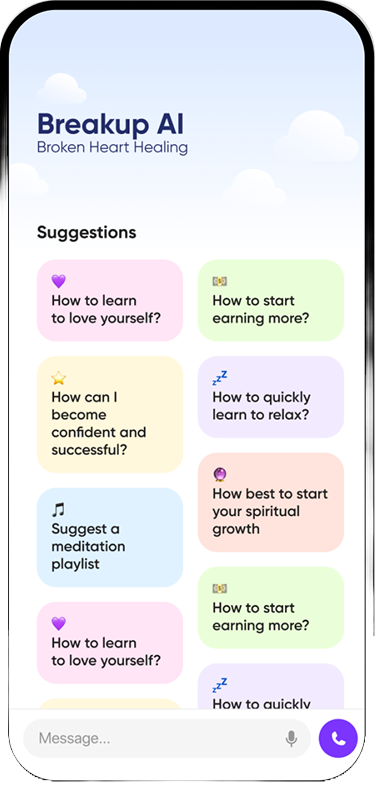
- Leverage Technology: In situations where professional help isn’t readily accessible, apps can offer immediate support.
Foster Forgiveness
Forgiveness—a concept often misunderstood—isn’t about reconciling with your ex or excusing the hurt. It’s more about releasing yourself from bitterness’s stronghold.
The Science Behind Forgiveness
Research from the Mayo Clinic affirms that forgiveness can lead to healthier relationships, improved mental health, reduced anxiety, and enhanced self-esteem.
How to Cultivate Forgiveness
- Write a Letter: Share your feelings toward your ex—but without mailing it. This exercise promotes emotional clarity by decluttering lingering grievances.
- Practice Empathy: Understanding your ex’s viewpoint won’t justify their actions, but it might soften the edge of anger, facilitating your release.
Set Intentional Boundaries
It was only after Maya drew clear boundaries following her divorce that she discovered newfound serenity. Boundaries safeguard your emotional space, ensuring your ex is evicted from it.
The Importance of Boundaries
The National Institute of Mental Health points out that healthy boundaries foster emotional safety, reduce stress, and nurture a healing-friendly environment.
How to Set Boundaries
- Communicate Clearly: Consider agreeing on no-contact terms or discussing logistics without veering into emotional territory—clarity is essential.
- Define Personal Spaces: Identify environments that trigger pain and limit exposure to preserve your mental peace.
Embrace the Future with Optimism
True, the past has its lessons, but the future offers hope. Imagine the life you want to lead—embrace optimism’s light.
The Power of Positive Outlook
Barack Obama once observed, “The future rewards those who press on.” While optimism doesn’t erase pain, it provides motivation to keep moving onwards.
How to Shape Your Future
- Create a Vision Board: Visualizing your dreams and goals can motivate you toward a fulfilling life.
- Reflect on Past Lessons: Recognize the insights gained from your past relationship to avoid walking in the same shoes in future ones.
As you enfold yourself in the nurturing arms of empathy and comprehension, the wounds from a relationship’s end weave together into a journey of self-discovery and recovery. Your heart, though scarred, possesses an extraordinary ability to love again—starting right at home, with yourself. As you set out on this path, you’re reminded that vulnerability holds strength just as experience holds knowledge. You’re on your way to becoming more resilient and self-aware with every step.
The Bottom Line
Healing from a breakup is a journey that requires patience, self-compassion, and sometimes professional support. Embrace your feelings, rebuild your identity, and look toward the future with hope. You’re capable of emerging stronger and more self-aware.
For further guidance on your journey, consider exploring Breakup.one, offering 24/7 emotional support and healing paths tailored just for you. Begin healing today.