



Table of Contents
- Understanding the Emotional Cascade
- The Science of Heartbreak
- Practicing Emotional Self-Care
- Rekindling Physical Self-Care
- Cultivating Social and External Support
- Forging a Path Forward
- Closing: Embrace the Journey of Healing
Key Takeaways
- Heartbreak triggers a complex emotional response, akin to grief.
- Effective self-care involves both emotional and physical nurturing.
- Seeking support from friends or professionals can aid in healing.
- Engaging in creative practices and journaling promotes emotional clarity.
- Visualizing a hopeful future can inspire personal growth.
Understanding the Emotional Cascade
Heartbreak isn’t simply an event; it’s a cascade of emotions that can sweep over us like relentless waves. One moment you’re distraught, then suddenly hopeful, only to be tugged back into nostalgia’s embrace. And you know what? This rollercoaster is entirely normal.
“Heartbreak can elicit a broad spectrum of emotions — from sadness and anger to an unanticipated sense of relief or guilt. The trick is to acknowledge and accept each wave as it crashes into you.”
— Dr. Sarah Chen, Clinical Psychologist
And here’s something else to chew on — the American Psychological Association notes that this process of grief is eerily similar to mourning a profound loss. Back in 2022, Maya, a then 28-year-old going through a painful divorce, confided that she lingered in denial much longer than she expected. It wasn’t easy, but embracing acceptance opened the gateway to her healing path.
The Science of Heartbreak
Ever heard that the ache of a broken heart lights up the same parts of our brain as physical pain? Back in 2011, researchers published a study in the Proceedings of the National Academy of Sciences investigating this very phenomenon. Our bodies, it seems, release stress hormones like cortisol, intensifying the storm within. It’s a glaring reminder of why self-care matters — tending to your body and mind to weather the storm.
But heartbreak, of course, doesn’t limit itself to emotional upheaval. It can cast long shadows over your physical health too — disrupting sleep, weakening your immune defenses, and pushing your blood pressure into uneasy terrain. So, prioritizing self-care isn’t just a balm for the soul; it’s critical for restoring your overall health.
Practicing Emotional Self-Care
The emotional turmoil of heartbreak can feel endless, but tackling it head-on is your way to reclaim stability. How do you start with emotional self-care? It seems daunting, right? But it’s about facing those feelings head-on, bravely and without judgment.
Acknowledge Your Emotions
Let yourself feel — really feel — the entire spectrum of your emotions. Cry one moment, laugh at an unexpected memory the next. It’s all part of the mosaic of healing. The art of journaling can be a surprisingly effective ally in this.
“My patients often find clarity through pen on paper.”
— Dr. Sarah Chen, Clinical Psychologist
Harvard Studies back this up, identifying journaling as a tool to cut through mental fog and ease anxiety.
Find a Safe Space
Craft an environment that envelopes you in safety and peace. Whether it’s a cozy nook filled with gentle aromas or a cherished spot in nature, let your surroundings nurture introspection. Draw comfort from the little things — a favorite blanket, soothing melodies, or a gripping novel.
Engage in Creative Pursuits
“Finding solace in creativity — painting, writing, music — allows emotions to manifest without the burden of words.”
— Dr. Melissa Jackson, Art Therapist
These outlets allow emotions to manifest without the burden of words. Your inner creativity can be a compass towards healing, offering expression where language falls short.
Rekindling Physical Self-Care
While mending emotionally is essential, don’t neglect the body that carries you through this journey. Physical self-care covers everything from diet to rest and relaxation.
Prioritize Sleep
Heartbreak loves to steal sleep. Yet, restorative rest is a crucial healer. The Sleep Foundation insists on the importance of a regular sleep schedule, a calming bedtime ritual, and a tranquil environment. Perhaps try meditation or mindfulness to calm the turmoil as you lay your head down.
Nourish Your Body
Notice what you feed your body. It’s been through a lot and needs strength to heal. Give it a diet rich in fruits, vegetables, and lean proteins — fortifying your mood and health. Foods packed with Omega-3s, like salmon, have been shown to benefit mental health, as suggested by experts at the Mayo Clinic.
Move Your Body
Exercise — even the thought can be daunting when you’re down. Yet, it’s proven to be one of nature’s best mood lifters. Anything from yoga to a spirited dance session can work wonders. Find something that ignites you, and go with it, as Dr. Jackson suggests in her workshops on combating stress with physical activity.
Cultivating Social and External Support
Heartache might urge you to retreat into solitude, but resist that temptation. Social support, after all, can be a potent remedy for wounded hearts.
Reach Out to Loved Ones
Lean into your trusted friends and family. Sometimes a listening ear does more than a thousand words.
“The power of sharing our experiences diminishes isolation and fosters a sense of belonging.”
— Dr. Emma Roberts, Relationship Therapist
Consider Professional Help
Therapy can walk beside you through the maze of grief and healing. If the weight feels unbearable, a licensed counselor or psychologist might be your ally. The National Institute of Mental Health emphasizes cognitive-behavioral therapy as a potent strategy for navigating depression and distress.
Join Supportive Communities
Online groups serve as a refuge for those wrestling with heartbreak. Platforms like Reddit provide communal wisdom where personal stories and coping strategies create an intricate tapestry of support.
Forging a Path Forward
The question arises — how does one forge ahead when gripped by the past? Healing isn’t just recovering; it’s rediscovering oneself beyond the punctured relationship.
Set New Goals
Shift your focus towards personal development. Whether it’s education, cultivating a hobby, or honing a skill, setting achievable goals empowers you to turn attention away from loss.
Practice Self-Compassion
Treat yourself gently. Self-compassion is not self-pity; it’s extending kindness inwardly.
“Befriend yourself especially when the world feels cold.”
— Kristin Neff, Researcher
Visualize Your Future
Envision a future that is not only hopeful but full of possibilities. Visualization exercises can inspire — who do you want to become? What life do you wish to craft?
Closing: Embrace the Journey of Healing
Heartbreak is undeniably painful, yet it also offers a profound opportunity for personal growth. As you embark on the journey of self-care, cherish and nurture your innermost being with love and patience. With time, even the smallest steps can lead to significant transformation — turning heartache into resilience and wisdom.
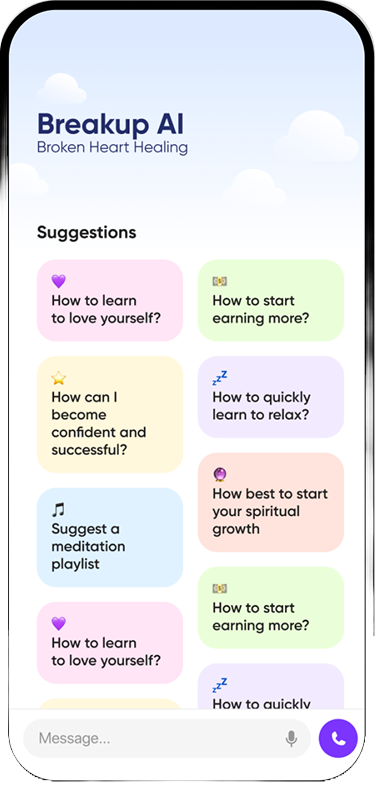
Remember, your healing is a personal expedition and unfolds in its own time. If you find yourself struggling, know that seeking guidance is both brave and wise. And, if you wish to tread this path with a blend of modern support and timeless wisdom, consider the tools available to us now. I came across Breakup.one’s AI-powered heartbreak recovery companion that offers 24/7 support, promising personalized paths to healing. Find out more by visiting Breakup.one.
The Bottom Line
Heartbreak may feel insurmountable, but embracing self-care practices, reaching out for support, and focusing on personal growth can pave the way for healing and transformation. Remember, your journey is unique and deserves patience and compassion.