



Table of Contents
- The Science of Heartbreak
- Nurturing Your Emotional Health
- The Power of Reflection and Journaling
- The Role of Self-Compassion
- Embracing Mindfulness and Meditation
- Engaging in Physical Activity
- Building a Supportive Network
- Setting New Goals and Ambitions
- Rediscovering Joy Through Creativity
- Moving Forward with Hope
Key Takeaways
- Heartbreak triggers both emotional and physical pain, making healing crucial.
- Journaling and therapy are impactful tools for processing emotions.
- Self-compassion helps cultivate emotional resilience during heartbreak.
- Engaging in physical activity boosts mood and fosters emotional health.
- Creative expression can rejuvenate joy and offer a pathway to healing.
The Science of Heartbreak
The turmoil of heartbreak isn’t solely emotional—it’s physical as well. Breakup-induced rejection can actually trigger the same neural circuits responsible for physical pain, according to research from Columbia University.
“When you go through heartbreak, your brain processes it like a real injury. That’s why it feels intensely physical and real.”
— Dr. Sarah Chen, Clinical Psychologist
Recognizing that your emotional pain is real and valid counts as a crucial first step. This isn’t about imaginary woes. With this understanding in hand, how do you pave your way out of this emotional storm?
Nurturing Your Emotional Health
Maya, now 28, reflects on her post-divorce days.
“For weeks, I was a stranger to myself, swallowed by solitude and sleeplessness.”
— Maya
But it was psychotherapy that signaled the beginning of her healing journey. The American Psychological Association reminds us that discussing our emotions can significantly aid in processing and decreasing distress.
- Why This Helps: Sharing your story diminishes loneliness and rewrites the narrative of your heartbreak, promoting acceptance and understanding.
- How to Start: Consider seeking therapy or joining support groups where you can express your emotions in a supportive setting. For those feeling daunted by face-to-face interactions, online platforms offer an alternative, providing anonymity and ease.
The Power of Reflection and Journaling
Heartbreak leaves us awash with ‘what ifs’ and insecurity. In moments of emotional chaos, journaling offers a sanctuary. Martha, 32, who is healing from a broken engagement, notes,
“Pouring my thoughts onto paper felt like unloading each brick from a backpack.”
— Martha
- Why It Works: Journaling can unearth unhealthy thought patterns and foster clarity, providing structure for complex emotions—a view supported by research from the University of Texas.
- How to Implement: Allocate time each day to jot down your thoughts. Don’t confine your writing to sorrow alone; include small victories and instances of peace too.
The Role of Self-Compassion
In the wake of heartbreak, self-critical thoughts often intensify the emotional storm. During this sensitive period, being compassionate towards oneself is crucial. Self-compassion expert Kristin Neff suggests that self-kindness can nurture emotional resilience and ease anxiety.
- Why This Matters: Just as you would offer empathy to a friend, extending that same kindness to yourself strengthens the foundation for self-repair.
- How to Cultivate: Practice redirecting self-criticism into self-compassion. If you engage in negative self-talk, ask: “Would I say this to a friend?” Daily affirmations can also help reinforce self-kindness.
Embracing Mindfulness and Meditation
For many, meditation acts as a balm to soothe the ravages of heartbreak. Harvard Health Publishing highlights how mindfulness meditation enhances emotional regulation, reducing anxiety and symptoms of depression.
- Why Technique Works: Shifting your focus from past regrets or worries about the future to the current moment facilitates growth.
- How to Practice: Begin with brief, guided meditations through apps or online resources. Focus on your breathing, or try progressive muscle relaxation to heighten awareness of the present.
Engaging in Physical Activity
It can be tempting to retreat under the covers, but engaging in physical activity can significantly boost your mood. As the Mayo Clinic notes, exercise releases endorphins, which act as natural mood lifters.
- Why This Heals: Regular movement improves self-esteem, regulates mood, and provides an effective outlet for stress and tension.
- How to Move: Choose an activity that brings you joy. Whether it’s a stroll in the park, yoga, or dance, let enjoyment guide your movement. Begin gently and gradually explore more structured routines as your energy allows.
Building a Supportive Network
During her grieving period, Maya realized how essential community was.
“Friends became my anchors.”
— Maya
A strong support network can be your lifeline during turbulent times, with social connections enhancing emotional resilience.
- Why Connection Counts: Research underscores that strong social networks can bolster emotional resilience and even decrease mortality risk.
- How to Connect: Reach out actively. Whether it’s through support groups, joining hobby classes, or revisiting old friendships, don’t hesitate to seek out human connection. Volunteering can also offer meaningful engagement and help forge new relationships.
Setting New Goals and Ambitions
After heartbreak, the future might seem like an expanse of unknown territory. Turning your focus toward new goals or passions can rekindle your sense of direction and restore agency.
- Why Goals Guide Growth: Setting intentions shifts your focus from loss to a treasure trove of life experiences, revitalizing your purpose.
- How to Begin: Chart out simple, tangible steps toward your broader goal. Celebrate each small achievement to keep motivation high.
Rediscovering Joy Through Creativity
Heartbreak might dim your creative spark, but engaging with art, writing, or music can resuscitate a sense of joy and expression.
- Why Creativity Counts: Creative endeavors offer a nonverbal avenue for expression, supporting emotional release and fostering a renewed zest for life.
- How to Explore: Dedicate time weekly to a creative pursuit. Experiment with different mediums to find what resonates with your current emotional state.
Moving Forward with Hope
Getting through heartbreak isn’t about banishing memories but finding a path forward to a future rich in promise. It’s about processing the grief, learning from it, and crafting a new narrative that strengthens you. Remember, even tiny steps count. What matters is your movement toward healing.
As heartfelt as Dr. Sarah Chen explains,
“Recovery isn’t linear nor instant, but when you nurture your healing with courage and compassion, heartbreak becomes a stepping stone toward personal excellence.”
— Dr. Sarah Chen, Clinical Psychologist
Take this journey tenderly and allow yourself to grow from within.
The Bottom Line
Healing from heartbreak is a journey of self-discovery and growth. By embracing emotions, seeking support, and exploring new avenues for joy, you can transform your pain into personal strength.
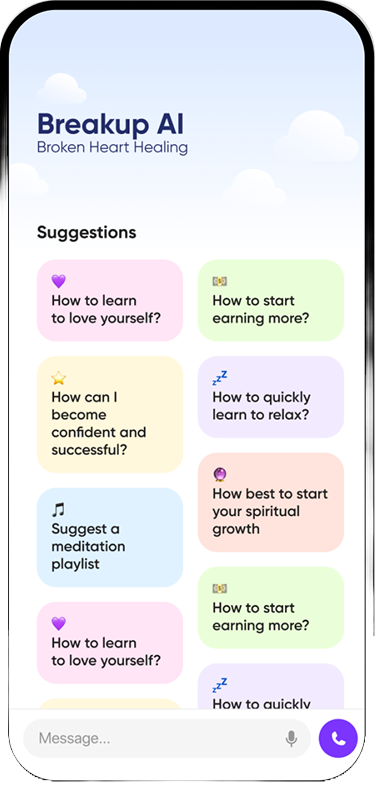
Feeling ready to begin your healing journey? Support is just a click away. Explore Breakup.one, an AI-powered platform offering 24/7 emotional support and guided healing programs tailored to your needs. Visit Breakup.one to learn more.