



Table of Contents
- Understanding Breakup Depression
- Why Do We Experience Breakup Depression?
- Taking the First Steps to Healing
- The Science of Self-Care in Recovery
- How to Introduce Healing Activities
- Navigating Emotional Triggers
- Rediscovering and Rebuilding Yourself
- Professional Help—When and How to Seek It
- Embracing Hope and Forward Momentum
- Final Thoughts
Key Takeaways
- Breakup depression encompasses a wide range of emotional responses and can impact mental health significantly.
- Self-care, mindfulness, and reaching out for support are essential steps in the healing process.
- Exposing oneself to new experiences and engaging in hobbies can aid in rebuilding one’s identity post-breakup.
- Professional therapy can provide crucial support and coping strategies to navigate through emotional turmoil.
Understanding Breakup Depression
Breakup depression—it’s not just a more intense version of post-breakup sorrow. It engulfs a profound spectrum of feelings: loss, isolation, and sometimes even diminished self-esteem. The American Psychological Association once shared research highlighting that romantic splits often trigger significant emotional distress, correlating with heightened risks of depression and anxiety. Sound familiar?
“Breakups unleash a storm of feelings akin to other grieves. It not only affects your heart but also leaves an imprint on your mind and body.”
— Dr. Sarah Chen, Clinical Psychologist at NYU
Why Do We Experience Breakup Depression?
Partnership connections transcend mere emotions—they are deeply rooted in biology. Back in 2021, a Harvard Health report outlined how love lights up the neural pathways crucial for our survival, much like food or water. So when a breakup strikes, it feels like being deprived of life’s essentials—no wonder the emotional aftermath feels so intense.
Taking the First Steps to Healing
- Acknowledge Your Pain: Start by allowing yourself to truly feel the sadness. When you validate these emotions, you open a gateway for healing to commence.
“Bottling up feelings only stifles recovery, as it suppresses what needs to be confronted and reconciled.”
— Dr. Sarah Chen
- Reach Out to Your Support Network: Isolation may seem comforting, but leaning on friends and family offers a warmth and perspective that’s hard to harness alone.
The Science of Self-Care in Recovery
According to the National Institute of Mental Health, consistent self-care can lower stress and enhance mental wellbeing post-breakup. Think about this: physical exercise boosts endorphins, brightening your mood, while mindfulness roots you back into the present.
“Integrating simple self-care routines can change how we heal. It’s less about upheaval and more about steady, gentle actions that remind you—you matter, and self-love is paramount.”
— Dr. Lila Gomez, Grief Counseling Expert
How to Introduce Healing Activities
- Exercise Regularly: A short walk, even nearby, can uplift your spirits. Movement isn’t solely physical—it encourages emotional agility too.
- Practice Mindfulness Meditation: Tools like Headspace or Calm offer guides for emotional healing. Regular practice fosters inner peace amidst chaos.
- Engage in Creative Outlets: Dive into art, music, writing, or dance. Let your emotions paint, sing, or move. Creativity is both liberating and instrumental for expressing unspoken feelings.
Navigating Emotional Triggers
You will notice—certain melodies, locales, or even particular scents may ignite memories, making progress challenging. Here, emotional resilience serves as your ally, equipping you to handle triggers with foresight.
- Preparation and Awareness: Spot known triggers and mentally brace yourself for encounters.
- Develop Coping Statements: Little affirmations such as “This too shall pass” work wonders.
- Focus on the Present: Staying present prevents past memories from overshadowing your now.
Rediscovering and Rebuilding Yourself
A breakup can reawaken curiosity about who you are independently. As someone who once filled half of a whole, reconnecting with your ambitions and desires becomes essential.
- Explore New Interests: Consider that photography class, learn a new language, try hiking. Reengaging with hobbies reshapes your identity.
- Set New Goals: Create small, attainable goals, offering fresh direction and purpose, separate from the past relationship.
- Volunteer: Serving others lifts self-worth and fosters a sense of community.
Professional Help—When and How to Seek It
At times, seeking professional aid becomes necessary. It’s neither a sign of defeat nor of frailty. Therapy extends a safe space for emotive expression and guided reflection.
How Therapy Can Help
Therapists provide personalized coping strategies and tools, particularly cognitive behavioral therapy, known for dismantling negative thought spirals after a breakup.
Embracing Hope and Forward Momentum
Healing isn’t a straight path; it includes highs and lows. As Maya learned, time combined with healing practices ultimately leads to recovery. Remember, you’re a complete individual, capable of embracing love and joy beyond what’s momentarily lost.
Final Thoughts
In progressing through breakup depression, understand that each effort propels you towards empowerment and independence. Exercise patience and self-compassion during this journey. While the road might be winding, it gifts you profound self-awareness and strength. Healing from breakup depression entails nurturing your emotional, mental, and physical self while staying open to transformation and growth. Have faith—you have the capacity to heal and emerge brighter than ever before.
The Bottom Line
Your journey through breakup depression is unique, and healing is a gradual process fueled by self-compassion, support, and personal exploration. Remember, every step forward counts and leads you toward a renewed sense of self.
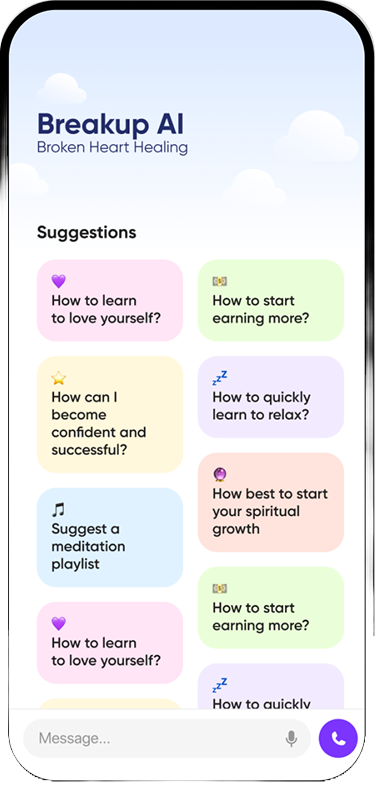
Feeling like you could use extra support? Discover Breakup.one, your AI-powered companion that provides 24/7 emotional support and tailored healing programs. Start your healing journey now at Breakup.one.
References:
- American Psychological Association
- Harvard Health
- National Institute of Mental Health
- Mayo Clinic