



Table of Contents
- The Science of Heartbreak
- Why Self-Care Matters
- Starting with Self-Awareness
- Embracing Self-Compassion
- Cultivating Mindfulness
- Reconnecting with Your Body
- Building a Support Network
- Nurturing New Passions
- Setting Boundaries with Technology
- Reassessing Personal Goals
- Nurturing Forgiveness
- Looking Forward: Empowering Your Future
Key Takeaways
- Heartbreak activates brain regions akin to physical pain, highlighting its intensity.
- Self-care is crucial for recovery, serving as a lifeline rather than a luxury.
- Practicing self-awareness and journaling can aid emotional processing.
- Mindfulness techniques can significantly alleviate anxiety and depression.
- Forgiveness is essential for personal liberation and moving forward.
The air was crisp, the sort of autumn afternoon that normally makes you want to wrap yourself in a cozy sweater and breathe in the beauty all around. But not for Emily. She was drifting absently through the park, her steps crunching amid a tapestry of fallen leaves. To her, each crackle echoed the recent fractures within her heart—a reminder of the turmoil and questions that plagued her. Perched on an empty bench, the world spun around her, indifferent and unchanged, while she sat still, a singular overwhelming question ringing in her thoughts: “How do I mend a broken spirit?” If you’re here, you might know this existential weight all too well, longing for solace and a gentle road toward recovery. It may seem like the light has dimmed in your world, but believe me, nurturing your spirit back to vibrancy is very much within your reach.
The Science of Heartbreak
Heartbreak doesn’t just tug at your emotions—it sinks its claws deep into your biological fabric. Dr. Helen Fisher, who’s spent years at Rutgers University dissecting the neuroscience behind romantic rejection, tells us heartbreak activates the same brain regions as physical pain. Can you believe that? No, it’s not your imagination, and yes, your anguish is more than justified—rooted in something as solid as science. A study in ’21 confirmed, making plain that when our hearts break, it’s a full-body experience in ways we might never have considered (ScienceDirect).
Why Self-Care Matters
Let’s talk about self-care, a term tossed around a lot these days but for good reason—especially post-breakup. It’s essential, not just a luxury confined to bubble baths and herbal teas. The distress from a split can lead you down a darkened path of anxiety, depression, and even compromise your immune defenses.
“Self-care after heartbreak isn’t a luxury; it’s an imperative lifeline.”
— Dr. Sarah Chen, NYU
Mental and physical restoration hinge on how well we tend to ourselves during these grueling times.
Starting with Self-Awareness
Begin with self-awareness—a crucial compass in this storm. Understanding your emotional landscape actually anchors you when the surrounding chaos intensifies. Maya, a 28-year-old, weathered the emotional upheaval of divorce like a ship in a hurricane. She told me during one of our chats how journaling became her safe harbor: a space where patterns emerged, allowing her to engage with her feelings constructively. The benefits? Well, countless studies—including one from Mayo Clinic—back her up, asserting that journaling can slash stress and lift the weight of emotional distress.
Embracing Self-Compassion
It’s time to embrace self-compassion, a cornerstone in the architecture of heartbreak recovery. Kristin Neff, who practically wrote the book on self-compassion, says that a gentle dialogue with ourselves can uproot negativity faster than harsh self-criticism. And who could argue? Isn’t it time we were our own allies?
Cultivating Mindfulness
Here’s something I’m fervent about—mindfulness. It’s like a lighthouse piercing through the fog of emotional turmoil, grounding us in the present. Dr. Jon Kabat-Zinn, creator of the renowned Mindfulness-Based Stress Reduction program, vocalizes its power to foster non-judgmental awareness. And why not? Time and again, studies illuminate how mindfulness can soften depression and anxiety’s cruel grip.
Reconnecting with Your Body
Moving your body—it’s practically magic in action. Heartbreak saps you, but exercise? That’s rejuvenation. Science backs this up; physical activity releases endorphins, those delightful ‘feel-good’ chemicals that Harvard Health has championed.
Building a Support Network
Feeling connected can be powerfully reparative. Heartbreak tempts you to withdraw, but leaning on friends, family, or support groups provides solace and broader horizons. Emily found refuge in her sister’s unwavering support—a reminder that sharing our burdens lightens them. As the American Psychological Association emphasizes, social ties reduce stress and nurture emotional resilience.
Nurturing New Passions
Embark on new passions, and you’ll find joy in the unlikeliest of places. Maya told me when she picked up painting, it brought healing—a rediscovery of who she was outside her relationship. Novelty and learning don’t just stave off heartache; they stimulate the brain’s reward centers and produce dopamine.
Setting Boundaries with Technology
Technology can be double-edged, especially post-breakup. Social media tends to amplify inadequacy and longing. A slew of studies, including from sources like the American Medical Association, spell out how excessive screen time heightens feelings of loneliness and despair—something to be mindful of.
Reassessing Personal Goals
Realigning personal and professional ambitions after a breakup can renew your sense of direction. Emily’s time spent volunteering not only occupied her but bestowed a sense of fulfillment.
Nurturing Forgiveness
Forgiveness—both inward and outward—is vital, a step towards shedding resentment’s heavy chains. Dr. Jack Kornfield reminds us that forgiveness is less about forgetting and more about self-liberation.
Looking Forward: Empowering Your Future
Finally, remember, rebuilding your life post-heartbreak takes time and grace. It’s about piecing together a new foundation, brick by brick, through self-love and patient understanding. Allow healing to unfold naturally, and a rejuvenated self will eventually emerge.
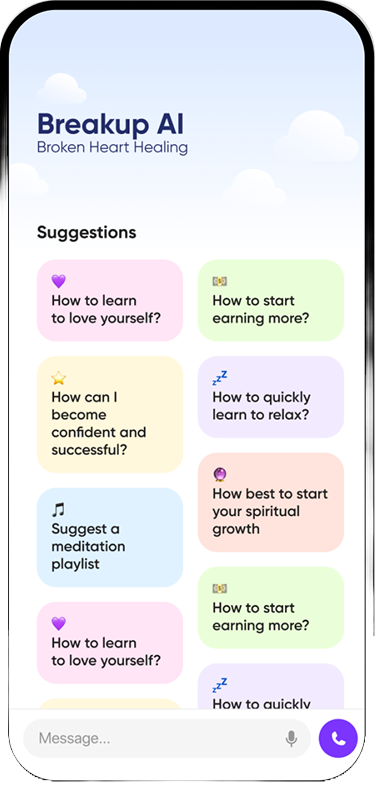
If you’re navigating the murky waters of recovery and need a guiding light, resources like Breakup.one offer AI-powered companionship that provides round-the-clock support and healing plans. Explore more when you’re ready.
The Bottom Line
Rebuilding your spirit post-heartbreak is a journey that requires time, self-compassion, and active engagement with yourself and your surroundings. The path may be challenging, but with each step, you empower yourself towards healing and renewal.
References:
- ScienceDirect. “Neuroscience of Rejection.”
- Mayo Clinic. “The Benefits of Journaling.”
- Greater Good Science Center. “Understanding Self-Compassion.”
- NIH. “Mindfulness-Based Stress Reduction.”
- Harvard Health. “Effects of Exercise on Mood.”
- APA. “The Role of Social Support in Stress.”
- Harvard University. “Novelty and Learning.”
- AMA. “Social Media and Mental Health.”
- Mindful. “Forgiveness and Mindfulness.”