



Table of Contents
- The Science of Heartbreak: Why It Hurts So Much
- Grieving in the Digital Age: More Complex Than Ever
- Emotional First Aid: Building Your Self-Care Rituals
- The Necessity of Self-Compassion
- Physical Activity: Moving Through the Pain
- The Role of Support Systems
- Nutrition: Eating to Heal
- Crafting Your Comeback Story
- Therapy: A Guiding Professional Hand
- Ending on A Hopeful Note
Key Takeaways
- Heartbreak is both an emotional and physical experience, impacting well-being.
- Digital detox may aid in emotional recovery by reducing reminders of the past.
- Personalized self-care rituals, like journaling and meditation, foster healing.
- Physical activity and nutrition play crucial roles in overall recovery.
- Seeking support from friends or professionals can enhance the healing journey.
Stepping into the aftermath of a broken relationship often seems like wandering through a bleak and shadowy void, where joy and purpose feel swallowed whole. Take Maya, for instance. At 28, her divorce felt like more than just parting ways with a partner—it was the shattering of a future she had painted with vivid hope. Standing alone in her now stripped-down bedroom, the echoes of shared laughter and plans lingered like ghosts, leaving her to question her own identity. For many of us, heartbreak can feel like a story rewritten—a narrative of solitude and change. But what if this heartache marks the start of your healing journey, a time to tend thoughtfully to your wounded spirit and find solace within?
Self-care after heartbreak goes beyond fixing a fractured heart; it’s a voyage of rediscovering oneself and embracing the potential to transcend pain. Overwhelmed? Absolutely. That heaviness of sadness can feel unbearable. Yet, think of this emotional cocoon as a potential sanctuary—one where you can slowly emerge anew. It’s about traipsing through both science and shared human experiences to light your way toward a brighter dawn.
The Science of Heartbreak: Why It Hurts So Much
This kind of hurt isn’t merely emotional; it’s a physical sensation, deep in the nerves. When entwined in love, the brain bathes itself in chemicals like dopamine and oxytocin, those enticing “happy hormones.” And so, a breakup induces withdrawal that’s eerily reminiscent of detoxing from a potent substance.
“The areas of your brain activated during heartbreak match those processing physical pain—as if a tangible wound were present.”
— Dr. Lucy Brown, Albert Einstein College of Medicine
Knowing this is key, providing a certain validation: it’s no small agony but a legitimate biological reaction.
Grieving in the Digital Age: More Complex Than Ever
In this digital era, the road to closure is particularly thorny, constantly ensnared in the web of social media. Images, posts, and shared connections act as stark, painful reminders—extending the heartbreak infinitely. A University of Wisconsin study found that ongoing digital contact with an ex can stagnate emotional recovery.
Emotional First Aid: Building Your Self-Care Rituals
Developing a self-care plan for heartbreak won’t be the same for everyone. But starting small, with focused steps, could ignite a significant change. Consider these:
- Build a Sanctuary
Reimagining a corner of your dwelling into a sanctuary could soothe—a refuge filled with comforting scents, gentle textures, or cherished photographs. When emotions overwhelm, let this be your safe retreat. - Journaling
Writing can unravel knots of emotion. It’s a channel to pour out feelings that otherwise crowd your heart and mind.“Journaling externalizes hidden depths—a dialogue with the subconscious.”
— Dr. Sarah Chen, NYU
- Mindful Meditation
Ground yourself in mindfulness, anchoring to the present—here is where you must firmly plant yourself again. Techniques, from deep breathing to guided mental visuals, can ease stress, something Harvard’s researchers consistently support.
The Necessity of Self-Compassion
Clichés aside, self-blame is often quick to surface: doubts about your worth and choices increase. Yet, remember that self-compassion is essential.
“Being gentle with ourselves extends the warmth we’d naturally offer a dear friend.”
— Kristin Neff, Scholar
Speak kindly to yourself; your value exists beyond any ended relationship.
Physical Activity: Moving Through the Pain
Exercise is often championed as a mood lifter, and not without reason. The Mayo Clinic underscores how physical activity releases endorphins, countering stress hormones like cortisol. This isn’t about exterior goals—it’s about shaking out the stagnant energy heartbreak causes.
Whether it’s a lazy walk, an instinctive dance, or a stretching yoga class, let it be something that enlivens you. Think of Mia, 25, who took on a local dance class just post-breakup.
“It was beyond exercise. It offered a reason—fun, hopeful—to get out and connect with others.”
— Mia, 25
The Role of Support Systems
Isolation often pairs with heartache, but the right connections are healing balms. Seek out those who truly understand and nurture you.
“Voicing emotions is processing. Shared burdens often feel lighter.”
— Dr. Emily Rivera, Therapist
Even virtual collectives could be lifelines. Platforms fixated on emotional recovery can link you to those treading similar healing paths.
Nutrition: Eating to Heal
The aftermath of heartbreak can derail regular routines—including meals. While nutrition might slip your mind, it’s a core element of recovery. The American Psychological Association links a balanced diet to improved mood, evading depression’s grip.
Prioritize nutrient-packed foods like whole grains, fruits, and healthy fats; stay hydrated, too. Dehydration may worsen symptoms of fatigue and despair.
Crafting Your Comeback Story
Beyond caring patterns lies opportunity—a chance to see this painful time as a catalyst for growth and renewal. What dreams slept during the relationship? What actions once brought joy?
Consider Julia’s story. Having found herself reborn after heartbreak, she shares:
“Photography always intrigued me. After the breakup, I leapt into a class—it was more than distraction—it was a creative revival.”
— Julia
Adventuring outside those comfort confines invites experiences that restore from the inside out.
Therapy: A Guiding Professional Hand
While self-care is crucial, sometimes a professional’s touch is vital. Therapists provide strategies and tools to navigate grief and foster resilience. Cognitive Behavioral Therapy (CBT) is especially lauded for disrupting negative spirals—scientifically backed, tried, and true.
Releasing your grief may well be bolstered by professional guidance—a comforting map back to yourself.
Ending on A Hopeful Note
Yes, heartbreak can resonate through the very core of one’s being. Still, this journey of self-care and clarity offers a chance to transform an ending into a beautiful beginning. Let this healing chronicle be about you—nurturing every complex, lovely part within.
A world that thrives on possibility lies just past the bleakness. Embark carrying these tools and hope. Know confidently that your journey to self-love and healing only now takes courageous steps forward.
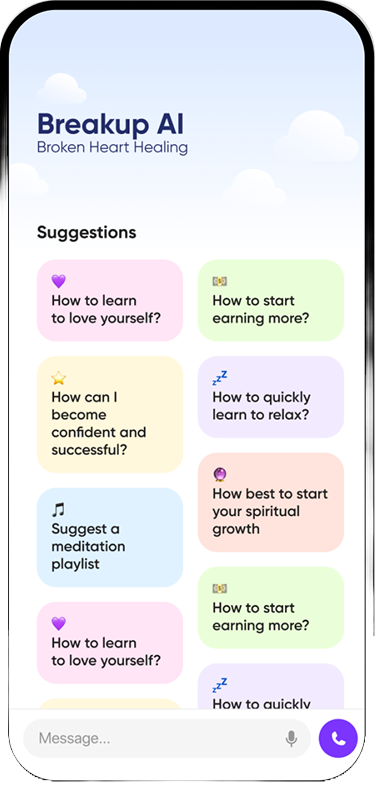
For personalized, continuous support, consider reaching out to Breakup.one, an AI-backed companion designed for heartbreak recovery, offering around-the-clock emotional aid and tailored guidance.
The Bottom Line
Heartbreak is undoubtedly challenging, but with self-care, support, and a focus on healing, it can also serve as a powerful catalyst for personal growth and renewal. Embrace this transformative journey and rediscover your passions and purpose.