



Table of Contents
- Understanding the Emotional Turmoil
- Allow Yourself to Grieve
- Reclaiming Your Identity
- Establishing a Support Network
- Practicing Consistent Self-Care
- Reflecting and Learning from the Past
- Building Resilience for the Future
- Embracing the Possibilities of the Future
Emma, a spirited 25-year-old, found herself late one night lost in the depths of her Instagram feed. What she stumbled upon wasn’t just a collage of filtered memories, but a reawakening of loss. Her recent breakup had shattered her world, leaving her adrift in a sea of memories that amplified feelings of despair. These digital reminders of happier days, now felt like salt on an open wound. Grief, anger, confusion—after a breakup, emotions aren’t merely overlapping; they’re a cacophony.
Understanding the Emotional Turmoil
Ever wondered why this agony digs deeper than a physical ache?
“The brain perceives the loss of love with an intensity that’s both primal and profound.”
— Dr. Sarah Chen, Clinical Psychologist
A study once showed that heartbreak activates brain regions such as the insula and anterior cingulate cortex—areas known for handling physical pain. It’s an evolutionary relic encouraging social bonds for survival, telling us why a lost connection feels like an actual strike to the heart. Strange? Perhaps. Yet, this explains why many can’t just “get over it.”
Allow Yourself to Grieve
After that initial crumbling of relationship foundations, what happens next? Well, you’re left floating in uncertainty’s icy waters. Take Maya, a 28-year-old who, through a painful divorce, discovered that acceptance was her first tether.
“Bottling it all up only fed the storm. The real healing started with tears—each one was a step towards sanity.”
— Maya, Survivor of Heartbreak
According to Dr. Roberta Lee, a relationship therapist with Stanford credentials, honoring your grief, not running from it, is a form of healing yet allows no room for stagnation.
“Embrace the tears and screams, but remember, wallowing isn’t a place to make camp.”
— Dr. Roberta Lee, Relationship Therapist
Reclaiming Your Identity
Did you lose a snippet of yourself in the ‘we’ of a relationship? Rediscovering that missing piece, though scary, is crucial. Self-identity, often intertwined with partnerships, finds itself dauntingly stripped away post-breakup.
The Science of Self-Recovery: Engaging in self-affirmation—seeing one’s worth independent of another—rates high in reducing stress. Neuroscientists affirm that bolstering one’s sense of self rekindles the mind’s pathways for processing positive emotions, thus fortifying resilience.
Establishing a Support Network
In times of emotional wilderness, friends and family become lifelines. Emma, while working through lingering post-breakup haze, confided in her best friend, someone who had navigated similar waters. They pulled each other up from nights of doubt to days of fledgling hope.
“To lean on a web of support builds emotional strength, dispels loneliness, and validates one’s experience.”
— Dr. Mark Holden, Sociologist
Practicing Consistent Self-Care
Self-care isn’t a fleeting, indulgent spa day. After a relationship ends, it means daily nourishment of mind and soul.
The Mayo Clinic once asserted self-care’s invaluable role in reducing anxiety and elevating mental well-being. Small, consistent gestures like a quiet dawn walk or rejuvenating breakfast pave the road to self-compassion.
Reflecting and Learning from the Past
Once initial heartbreak gives way to quieter introspection, resist dwelling on perceived failings. Instead, think of reflections as a lens to calibrate future hopes.
Conducting a ‘relationship audit’—understanding what worked and failed—though painful, highlights patterns yearning for change. It’s hard, yes. But it’s insight into one’s needs.
Building Resilience for the Future
And moving on from romance’s demise isn’t about dismissing history; it’s about welcoming the new. According to CDC insights, resilience—a muscle for the mind—helps us better brace for life’s maelstroms.
The Resilience Advantage: The strengthening of this mental endurance doesn’t just help ride out emotional storms. It lays the groundwork for smoother future voyages.
Embracing the Possibilities of the Future
Emma, once ensnared by heartbreak’s grip, discovered new horizons. Today? New hobbies, volunteering moments, and solo travel beckon her. As she recalls, “What started as a dreaded end morphed into a fresh chapter.”
The takeaway? Moving on post-breakup unveils buried parts of oneself, sculpting life anew. Though an emotional wound needs time to mend, with a dose of patience and a dash of kindness towards oneself, the journey can yield strength, insight, and genuine happiness.
With every breakup’s end is a soft whisper of potential—new stories, unexpected joys. That heartbreak? It’s the soil where resilience takes root, waiting for new blooms.
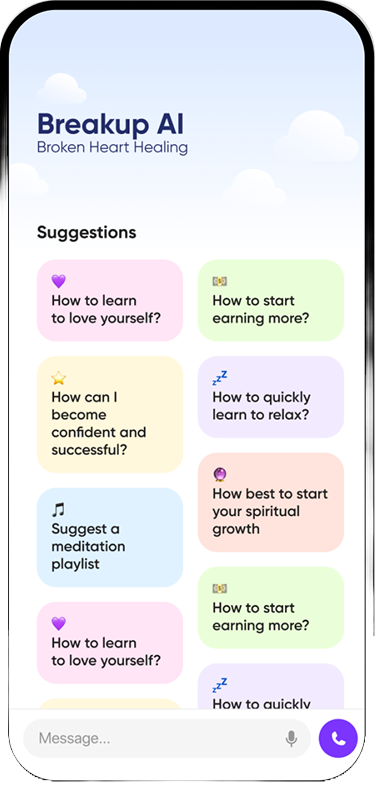
And if overwhelmed, perhaps exploring Breakup.one—an AI-powered guide for heartbreak recovery—might offer you the companion to walk with on this path.
The Bottom Line
Finding closure and healing after a breakup is a journey that requires patience and self-compassion. By allowing yourself to grieve, reconnecting with your identity, and leaning on your support network, you can emerge stronger and more resilient than before.
Key Takeaways
- Heartbreak triggers a deep neurological response similar to physical pain.
- Journaling and allowing yourself to grieve are essential steps in healing.
- Reclaiming your identity involves trying new activities and affirming your self-worth.
- Building a support network reinforces emotional strength and counters loneliness.
- Consistent self-care and setting achievable goals nurture resilience for the future.
References