



Table of Contents
- Understanding the Impact of Heartbreak
- Embracing the Journey of Self-Care
- Expert Advice and Real-Life Resilience
- Cultivating a Future Beyond Heartbreak
- Closing Thoughts and Next Steps
- The Bottom Line
Understanding the Impact of Heartbreak
Imagine yourself curled up on the living room floor, with your phone lying motionless beside you — a stark testament to messages that’ll never arrive. There’s a hollow ache in your chest, hinting that something in the cosmos has been irrevocably altered. Yes, this is heartbreak. It’s an undeniably visceral experience that can feel as if it’s consuming you whole, leaving you adrift and bewildered. But, believe it or not, there’s hope. Recovering from this ordeal is possible through self-care — even during those darkest moments.
In times of such despair, you might question whether it’s even possible to piece together your shattered heart. You’re not alone, trust me on this. The Journal of Positive Psychology published a study in 2020 that found nearly 71% of people endure at least one significant heartbreak before turning 30. A collective rite of passage, yet everyone’s journey through it feels intimately unique.
“Heartbreak isn’t just about emotional upheaval; it impacts every corner of your being.”
— Dr. Sarah Chen, Clinical Psychologist, NYU
It’s like an earthquake rippling through your mental, physical, and social spheres.
Embracing the Journey of Self-Care
As you step into self-care, remember — healing is not a straight road. It’s a winding path with stretches of light and dark days.
1. Emotional First Aid
First and foremost, embrace your emotions. Dr. Brené Brown, known for her extensive research at the University of Houston, suggests that facing vulnerability, however unsettling, is crucial for healing.
“Standing in your emotional wilderness without judgement is a radical act of self-kindness.”
— Dr. Brené Brown, Researcher, University of Houston
Why It Works: Naming your emotions — be they anger, sorrow, or loneliness — diminishes their hold over you. This is emotional intelligence 101, a vital skill linked to better mental health by the American Psychological Association.
How to Do It: Try your hand at journaling. Let it be a free-writing exercise where coherence is optional. This act of externalizing your feelings can make them seem more approachable.
2. Physical Nourishment
Heartbreak isn’t just in your mind; it affects your body’s rhythms too. The National Institutes of Health notes how post-breakup, sleep disturbances are a common woe.
Why It Works: Eating well and getting consistent rest can help balance your mood and enhance your resilience.
How to Do It: Aim for a regular sleep schedule, and ease into the night with minimal screen exposure. Introduce more whole foods into your diet. And don’t underestimate the power of movement — yoga or jogging can be revitalizing.
3. Rebuilding Social Connections
A split might leave you feeling alone. Human beings, inherently social, need connection. Dr. John Cacioppo, a well-remembered psychologist from the University of Chicago, emphasized this in his studies on loneliness.
Why It Works: Bolstering your social network fights off loneliness, providing a scaffolding of emotional support.
How to Do It: Reach out to those who empathize — friends, family, or peers. Perhaps join a group or an online community; there’s strength in shared experiences.
4. Rediscovering Personal Identity
After such an emotional hit, you might feel disconnected from who you used to be. Take Katie, 23, questioning her identity post-breakup, which is not only expected but also necessary.
Why It Works: Reconnecting with old passions and interests sharpens self-awareness and fosters independence.
How to Do It: Dive into activities that light you up, be it art, nature walks, or volunteering. Rediscover previous hobbies or dare yourself to explore new territories. These pursuits aren’t just a distraction; they’re enrichments.
Key Takeaways
- Heartbreak is a universal experience, affecting your mind, body, and social connections.
- Embracing your emotions and practicing vulnerability are essential for healing.
- Regular sleep, nutrition, and physical activity promote resilience and recovery.
- Social support can significantly reduce feelings of loneliness following a breakup.
- Rediscovering personal identity through passions can enhance self-awareness and independence.
Expert Advice and Real-Life Resilience
“Every moment of beauty gained brings a lifetime of suffering repaid.”
— Mary Karr, Memoirist
So, when you tenderly care for yourself, you reclaim beauty, turning grief into strength.
Real-World Example
At one point, Ethan, following a bruising breakup, chose to train for a marathon. It was a new endeavor — demanding yet healing. As Dr. Leslie Becker-Phelps, a seasoned therapist, points out,
“Purpose-driven goals, especially those requiring discipline, can be transformative. They remind us of our potential beyond heartbreak.”
— Dr. Leslie Becker-Phelps, Therapist
Cultivating a Future Beyond Heartbreak
Embarking on self-care after heartbreak is a tribute to the resilience inherent in each human spirit. It’s about acknowledging the hurt while encouraging self-growth. Inside you lies a fortitude, eager to rise through compassion and care.
Meditative Practices
Incorporating mindfulness into everyday life, even briefly, helps reduce anxiety and cultivate emotional clarity. Guided meditations, available through many apps, can aid this soothing practice.
The Power of Forgiveness
To forgive, be it yourself or your ex-partner, releases the weight of resentment. It’s an act of self-liberation, freeing you from lingering distress. According to the Stanford Forgiveness Project, those who nurture forgiveness experience fewer stress-related symptoms.
Closing Thoughts and Next Steps
Your heart—though tender—is boundlessly capable of love, beginning with loving yourself. Tending to your spirit after heartbreak isn’t only about escaping pain; it’s a profound homecoming. Sure, the journey is lengthy, but with each step taken in self-care, you’re inching closer to healing — to a renewed, empowered you.
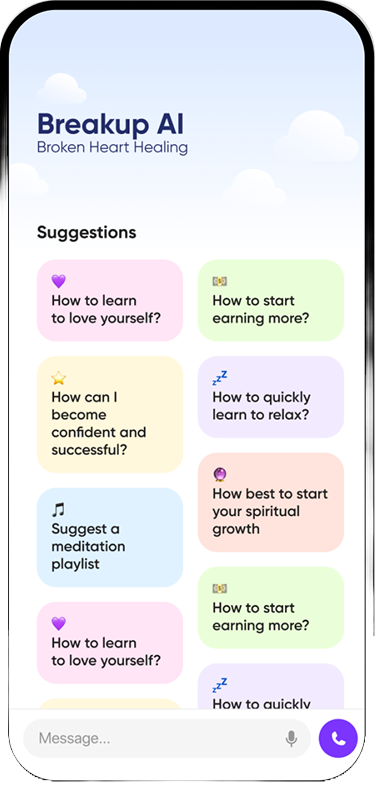
While navigating these tumultuous waters, make self-care your anchor. For added support, check out resources like Breakup.one, an AI-backed tool offering 24/7 comfort and guideposts for healing. Go forth knowing you deserve the grace you offer yourself.
The Bottom Line
Self-care after heartbreak is essential for recovery and personal growth. By nurturing yourself emotionally, physically, and socially, you can rebuild a stronger, more resilient version of yourself. Healing takes time; acknowledge your journey and embrace each step toward renewal.
References
- The Journal of Positive Psychology.
- Research from Rutgers University.
- Recommendations from the American Psychological Association.
- Studies by the University of Chicago’s Dr. John Cacioppo.
- Findings from the National Institutes of Health.
- Insights from the Stanford Forgiveness Project.