



Table of Contents
- Understanding Breakup Loneliness
- Step 1: Acceptance and Allowing Grief
- Step 2: Reconnecting With Yourself
- Step 3: Building a Supportive Social Network
- Step 4: Establishing a Routine
- Step 5: Challenging Loneliness with Self-Compassion
- Seeking Professional Help
- Moving Forward Into New Beginnings
- The Bottom Line
It is 2 a.m. and Emma — she cannot sleep. She stares at the ceiling, every minor detail of her past relationship playing like an old film reel in her mind. The relationship ended months ago, but she is trapped in this echo chamber of memories. Lonely doesn’t even begin to cover it.
Sound familiar? If you’ve faced a breakup lately, you’re not sailing these stormy seas alone. Loneliness can tightrope-walk into your life unexpectedly, overstaying its welcome long after friends and family assume you’ve moved on.
“The end of a relationship can leave a void because a significant source of emotional nourishment is suddenly cut off. It’s normal to feel lost.”
— Dr. Sarah Chen, Clinical Psychologist
But is it? And why does it feel so… endless?
Understanding Breakup Loneliness
Before jumping to solutions, let’s pause to acknowledge why breakup loneliness strikes so intensely. In a relationship, your brain is practically marinated in oxytocin and dopamine — those delightful chemicals associated with pleasure and attachment. Post-breakup, these levels plummet, leading to withdrawal symptoms strikingly akin to those encountered by drug users, according to studies documented by Harvard Healthy Heart Watch.
“Biologically, our bodies are wired to seek connection. So, when that connection is severed, it can feel akin to losing a part of yourself.”
— Dr. Sarah Chen, Clinical Psychologist
This not only sounds profound but tugs at an intrinsic human fear — being completely alone.
Step 1: Acceptance and Allowing Grief
The first major step? Grieve. Yes, it sounds cliché, but crying it out can be weirdly rejuvenating. Whether the relationship resembled a fairytale or was as rocky as the sea, its end marks a notable life transition. Maya, 28, who wrestled with a recent divorce, confides,
“I kept telling myself to stay strong, but I realized crying it out was much healthier. Only after I accepted my sadness did I begin to heal.”
— Maya, Survivor
Grief doesn’t follow a timetable – it ebbs and flows. Write your feelings down, share them with a friend, or scream them into a pillow. By allowing yourself to grieve, you dodge turning into a cauldron of unresolved pain.
Step 2: Reconnecting With Yourself
Familiar concept, this idea of self-discovery post-breakup, isn’t it? Being alone often strips away who you’ve envisioned yourself to be — outside that partnership. Ask yourself, “What ignites my soul? What was I into before this?”
Revisit those interests or dive into something fresh and exciting. Engaging in these hobbies can empower your reawakening individuality, a revitalizing reminder of who you are beyond the ‘we.’
Step 3: Building a Supportive Social Network
Human connection — it really is non-negotiable when tackling isolation. Finding the courage to reach out even when it feels uncomfortable is vital. Maya, recalling her journey, shares how community yoga classes turned strangers into friends, bolstering her sense of belonging. Emotional support has myriad forms. Sometimes, it’s as simple as having someone who’s just… there.
Step 4: Establishing a Routine
The choreography of everyday life gets a bit impromptu after a breakup. Establishing a routine creates harmony amid emotional chaos. Embrace rituals rather than using a packed schedule to dodge feelings. Whether it’s meditation, journaling, or a morning jog — pick what nurtures your soul.
Evidence from the American Psychological Association confirms that regular physical activity boosts mood through endorphin release and stress relief. Choose activities that envelop you in calm.
Step 5: Challenging Loneliness with Self-Compassion
Catching your inner critic mid-flow becomes a sport. You hear lines like, “I should’ve known,” or “How did I fail?” Challenge these negative narratives with positive self-talk — the kind you’d offer a dear friend in despair.
“Practice self-compassion. Treat yourself with the same kindness you’d offer to a pal going through the same.”
— Dr. Sarah Chen, Clinical Psychologist
This shift softens your internal focus from blame to understanding—gentle healing unfolds.
Seeking Professional Help
When loneliness morphs into enduring despair, consider professional help. Therapy provides a space to ravel and unravel your tangled thoughts. Cognitive-behavioral therapy (CBT), as noted by the National Institute of Mental Health, is notably effective in navigating depression and relationship challenges.
Choose a therapist you resonate with. As Maya can attest,
“Therapy was where I could unravel my tangled thoughts and see things clearly. It was a lifeline.”
— Maya, Survivor
Moving Forward Into New Beginnings
Consider this — moving on is not about concocting an amnesia potion. It’s about integrating the past, stitching it gently into your life’s quilt. When approached as learning, breakups can indeed foster resilience and growth.
Each day is a chance for healing. Emma, more in tune with herself, cherishes the growth she’s undergone, her newfound optimism towards future relationships a beacon of hope. Her tale shows transition from loneliness to self-discovery.
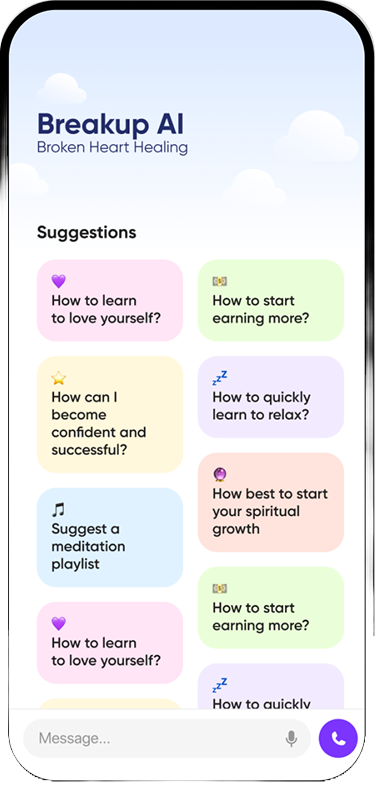
As your journey unfolds, lean towards wellness-oriented connections and joyful environments. And remember — resources like Breakup.one can support you emotionally, providing 24/7 support and guidance.
Key Takeaways
- Grieving is a vital step in the healing process post-breakup.
- Reconnecting with oneself is crucial for rediscovering identity outside the relationship.
- Building a supportive social network can lessen feelings of isolation.
- Establishing a routine helps create stability amid emotional turmoil.
- Professional help can provide necessary tools for processing deep emotional pain.
The Bottom Line
Loneliness following a breakup can feel towering and insurmountable — but remember, companionship is closer than you think. Heal and grow with the resources available.