



Table of Contents
- A Look into Breakup Anger
- Identifying Your Anger
- The Physiology of Letting Go
- Channeling Anger into Action
- Reaching Out for Professional Guidance
- Adopting a New Mental Framework
- The Power of Forgiveness
- Crafting a New Narrative
- Eyes on the Horizon
Key Takeaways
- Anger is a natural and protective part of the breakup grieving process.
- Recognizing and journaling your anger can lead to constructive healing.
- Physical activity and breathwork are effective in managing anger.
- Seeking professional help can provide vital support in emotional recovery.
- Forgiveness and reframing your narrative are essential for moving on.
Late one evening, Lisa found herself aimlessly pacing her apartment. The walls seemed to echo with memories, each recollection stoking a fire of anger she hadn’t fully confronted until now. “How did we get here? Why did he leave?” Her thoughts struck in tandem with a quickening heartbeat. Lisa’s experience is far from isolated. Many find themselves engulfed in emotions post-breakup—and anger often takes center stage. We delve into this phenomenon and offer strategies for moving beyond the tempest of breakup anger.
A Look into Breakup Anger
You might be bombarded by questions with elusive answers. But know this: anger is a natural part of the grieving arc.
“Anger often surfaces as a protective mechanism. It shields you, albeit temporarily, from deeper anguish.”
— Dr. Sarah Chen, Clinical Psychologist at NYU
Though valid, dwelling on it can thwart one’s healing journey.
In a 2021 study published in Emotion, researchers pointed out that anger might provide a fleeting mood lift through a sense of regained control, yet it might also hinder long-term emotional recovery. Getting a grip on this paradox is crucial for finding your way out of the anger maze.
Identifying Your Anger
Picture yourself behind the wheel, with anger as the fuel gauge. Ignoring it could leave you stranded. Recognizing your anger is a crucial milestone in overcoming it. Perhaps you’re livid with your ex, or even with yourself. Embracing these feelings can lead to constructive processing.
Consider using journaling as a tool for clarity. Take Maya, who at 28, found solace in this practice post-divorce.
“Initially, I resisted facing my emotions, but writing helped sort out my thoughts and pinpoint what genuinely upset me.”
— Maya, Heartbreak Survivor
The Physiology of Letting Go
Understanding anger’s biological grip empowers us. In such moments, adrenaline floods the body, tensing every nerve. While this was handy when our ancestors faced predators, it’s less useful in matters of the heart.
Breathwork comes in handy here. Slowly inhaling and exhaling—try counting to four for each—can deflate that fight-or-flight balloon, restoring calm, according to insights from Harvard Health. This simple practice can help shift your perspective, allowing you to meet your emotions with calm steadiness.
Channeling Anger into Action
Another effective method is converting anger to action. Physical pursuits, be it running, dancing, or even power walking, can diffuse pent-up energy. Exercise not only pumps up endorphins, it also tempers pain perception.
Adding motion to your daily ritual can also improve your sleep and brighten your mood. As cited by the Mayo Clinic, engaging your body leaves little room for lingering negativity— a relief, surely, in emotional storms.
Reaching Out for Professional Guidance
There’s undeniable strength in seeking professional help. Therapy offers a safe harbor amidst emotional upheaval.
“Breakups can unearth old wounds, and therapy offers a safe platform where you can explore and mend them.”
— Dr. Leonard Blau, Emotional Recovery Expert
If therapy isn’t accessible, virtual platforms can stand in the gap. They offer communities where shared heartbreak brings solace and a sense of belonging.
Adopting a New Mental Framework
With time, the aggressive surge of anger ebbs, paving the way for self-compassion. You might find yourself tempted to self-reproach for your anger, but instead, lean into kindness. Mindfulness and meditation, as backed by research from Johns Hopkins, improve emotional resilience and stifle harmful ruminations.
Rebecca Hall, a life coach grounded in mindfulness, advises starting with short meditations, many of which can be easily found online. Such practices foster healing, loosening anger’s grip over your daily life.
The Power of Forgiveness
Forgiveness might appear elusive while caught in breakup fury’s grip. Yet, forgiving both your ex—and yourself—is crucial for release. It doesn’t mean excusing their actions; instead, it’s a key that unlocks you from resentment’s chains. According to a groundbreaking study in the Journal of Behavioral Medicine, forgiveness significantly reduces stress and enhances emotional health over time.
Try this: pen a letter to your ex. It doesn’t have to be sent. Just express your journey towards forgiveness. Such symbolic acts liberate you, returning control over your emotional landscape.
Crafting a New Narrative
A transformative step in healing is rewriting your story. Who might you become without the burden of anger? Revise the narrative of your relationship. Focus less on its conclusion, more on the growth it nourished. This reframing encourages personal development and invites hopeful new beginnings.
Consider: what did this relationship reveal about you? Armed with these insights, you now hold the power to define what joy means, anew.
Eyes on the Horizon
This healing voyage requires keeping vision fixed on tomorrow. Life post-breakup might feel like a blank slate, teeming with potential. Forge new goals, engage in passions that exhilarate, and savor hobbies that replenish the soul.
When the shadows of anger inevitably resurface, remind yourself: feelings ebb and flow. You’ve bravely acknowledged, wrestled, and transformed them. Remember, moving on isn’t about forgetting—it’s choosing growth over grievance.
The Bottom Line
In the bewildering wake of a breakup, anger can loom large. But confronting, transforming, and ultimately reclaiming your own narrative paves the way to genuine healing. You wield more resilience than you might credit yourself with, and your path toward renewal—though demanding—is well underway.
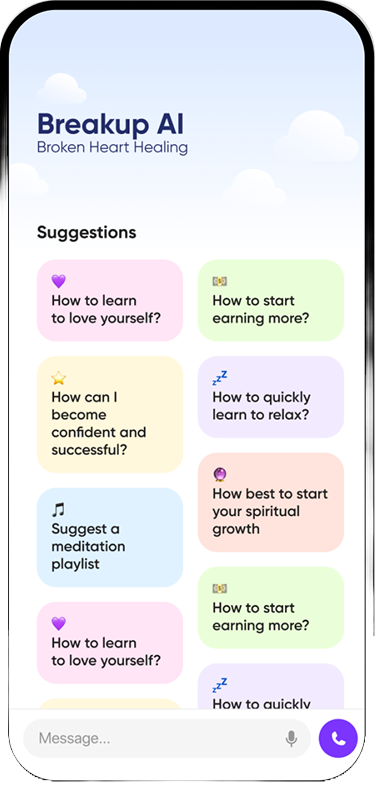
For customized support in navigating breakup anger, consider exploring Breakup.one, your AI-backed journey partner in heartbreak healing. Visit Breakup.one for 24/7 emotional nurturing, and recovery plans designed for you.