



Table of Contents
- Understanding the Impact of Heartbreak on Mental Health
- Why Daily Self-Care Matters
- Creating Your Daily Self-Care Ritual
- Support Structures: Finding Strength in Community
- Empowerment Through Acceptance and Forgiveness
- The Restorative Power of Creativity
- Resilience: The Heart’s Roadmap to Recovery
Key Takeaways
- Heartbreak impacts mental health similarly to physical pain, invoking grief and emotional turmoil.
- Daily self-care is essential for healing, fostering resilience and emotional stability.
- Creating rituals like mindful mornings, nourishing meals, and regular exercise can significantly aid recovery.
- Community support provides emotional validation and connection during difficult times.
- Accepting emotions and practicing forgiveness are key components of the healing journey.
Understanding the Impact of Heartbreak on Mental Health
“Heartbreak,” as
“isn’t simply a metaphor; it’s a true grieving process.”
— Dr. Sarah Chen, NYU
It’s fascinating, yet unsurprising, that breaking up can mirror the emotional turmoil of mourning. The American Psychological Association has pointed out that our brains engage similar regions during romantic rejection as they do during physical pain. It’s not just in your head—heartache is both an emotional and physiological struggle.
Acknowledging the substantial impact heartbreak has on mental health marks the initial leap toward healing. There’s evidence suggesting this trauma can spike stress, anxiety, and depression (a Harvard study supports this). These feelings often ripple out into daily life, disrupting sleep, routines, and general well-being. Honestly, it’s a wonder more of us aren’t talking about it.
Why Daily Self-Care Matters
In the deep trenches of heartbreak, self-care might seem like a frivolous notion. But, let’s be clear—prioritizing yourself isn’t indulgence; it’s necessity. Take Christie, 32, for example. After a harrowing divorce, simple morning rituals became her sanctuary.
“Doing thirty minutes of yoga every day shifted my focus from what I had lost to my own healing journey.”
— Christie, Age 32
Her story isn’t just anecdotal—it’s backed by science. Engaging in these small acts of care influences our emotional responses and builds resilience.
“Self-care triggers endorphins, enhancing mood, sharpening mental clarity, and countering stress.”
— Dr. Sarah Chen, NYU
Creating Your Daily Self-Care Ritual
1. Mindful Morning Routine
Grief can feel like an all-consuming fire. Yet, setting intentions each morning can tether you; offer you a buoy in a storm. Choose grounding activities like journaling or meditation. These rituals allow emotional processing without the shadow of judgment. Research in the Journal of Positive Psychology suggests gratitude journaling boosts well-being by helping you celebrate life’s positives.
Begin your day with mindful breathing or a brief meditation. Apps like Calm provide guided sessions ideal for novices. No need for expertise, just the courage to help your mind find tranquility amidst chaos.
2. Nourishing Your Body
Feeding yourself nutritious meals impacts your energy and emotional balance. For Maya, 28, focusing on nutrition after her divorce was somewhat of a lifeline.
“Cooking healthy meals became therapy.”
— Maya, Age 28
Science has a say here too—balanced diets regulate mood. Take Omega-3s, found in fish; they’re known to alleviate depression symptoms. Consider meals laden with complex carbs, lean proteins, fruits, and vegetables. Not merely sustenance—but a means to show kindness to yourself.
3. Movement as Medicine
Exercise? Sometimes it’s the best healer. It helps release serotonin and endorphins—increasing happiness. The CDC recommends 150 minutes of moderate activity weekly for general health. Movement breeds recovery, reminding us of our incredible capacity for growth.
Choose what moves you—be it dancing, hiking, or a brisk walk. Each step affirms resilience and renewal—a promise of change.
4. Embracing Silence and Solitude
Post-heartbreak, silence can be intimidating. It forces introspection. Yet embracing solitude can become an unexpected ally—revealing areas of self-discovery otherwise overlooked.
“Solitude allows a deeper connection with personal landscapes, nurturing self-awareness.”
— Dr. Sarah Chen, NYU
Dedicate moments to silence—a meditation or simple home reflection. Such pauses help realign emotions, guiding genuine healing.
Support Structures: Finding Strength in Community
Healing doesn’t require solitude alone. Community—friends, family, or support groups—offers comforting parallels and understanding. Tiffany, 30, sought solace in her book club post-breakup, finding solace in shared narratives.
“That support was my anchor.”
— Tiffany, Age 30
Forging into groups or leaning on loved ones opens channels for emotional validation. According to the National Institute of Mental Health, strong social connections reduce isolation and bolster mental health.
Empowerment Through Acceptance and Forgiveness
Healing demands acceptance—not just of circumstances but of accompanying emotions. Forgiveness is key, directed at ourselves or others, not as condonement but liberation.
“Forgiving is a profound act of self-compassion—a gateway to forward movement.”
— Dr. Sarah Chen, NYU
Try forgiving through letters—to yourself or others. Whether sent or not, these letters help process unresolved feelings, releasing resentments and inviting freedom.
The Restorative Power of Creativity
Heartbreak carries a creative pulse, prompting artistic exploration. Be it painting, writing, or music, creative expression channels emotional storms into beauty. Journaling, again, proves potent in transforming chaos to clarity.
A study by the American Art Therapy Association reveals artistic activities diminish cortisol, a stress hormone, boosting emotional relief. Creativity calls for open hearts, not perfect performances. Devote some regular time to your passions.
Resilience: The Heart’s Roadmap to Recovery
Facing the intricate emotions heartbreak ushers in, resilience is our necessary ally. It’s not about bouncing back but evolving—learning and growing stronger. This transformation? It’s through ongoing self-care.
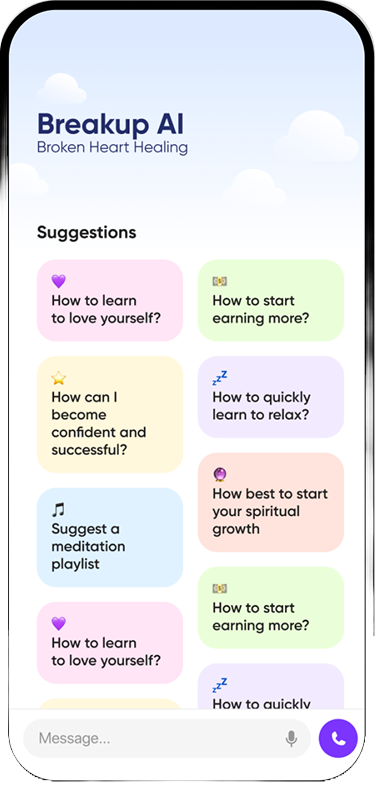
Programs like Breakup.one offer structured support for those seeking a steady hand. This AI-powered companion extends emotional aid based on psychological insights. It’s a comforting presence on this path.
The Bottom Line
Ultimately, self-care post-heartbreak is not a straight line; it is a series of deliberate, caring choices that foster healing and renewal. With these practices, you harness power—the power to rebuild, reimagine, and reclaim your story.
As you journey through healing, remember: you’re worthy of love that reflects the strength and grace unfolding within. If ever adrift, let self-care practices serve as your guide back to wholeness.