



Table of Contents
- The Heartbreak Experience: A Universal Pain
- The Importance of Self-Care Post-Breakup
- Emotional Healing: A Safe Space for Your Feelings
- Mindfulness and Meditation: Embracing the Present
- Physical Well-Being: The Foundation of Inner Peace
- Rebuilding Self-Identity and Empowerment
- The Power of Positive Affirmations: Rewriting Your Narrative
- Finding Professional Support: Anchors in Rough Seas
- The Path Forward: Crafting a New Beginning
Key Takeaways
- Heartbreak is a universal experience, and acknowledging emotional pain is crucial for healing.
- Self-care post-breakup involves emotional, physical, and spiritual nurturing.
- Practices such as journaling, mindfulness, and exercise support emotional recovery.
- Rebuilding self-identity and embracing new experiences can empower personal growth.
- Professional support can provide valuable guidance in navigating the healing journey.
The Heartbreak Experience: A Universal Pain
Think about Maya, who at 28, grappled with divorce. She described it as a shadow that engulfed her life entirely. Divorce, for her, felt like a dismantling of identity—tearing apart what she thought was inseparable.
“Who am I without him?”
— Maya
Maya would ponder, confiding in close friends. What began to help was the realization that this pain was universally acknowledged. Perhaps you find such a story familiar too: feelings of disbelief or an abrupt wave of sorrow at unexpected moments. Heartbreak, after all, spares no one—not the old nor the young, not the strong nor the vulnerable.
But what makes heartbreak so piercingly painful? Insights from Dr. Lisa Byrne, a psychologist with expertise in relationship dynamics, shed some light:
“Heartbreak triggers brain areas similar to those activated by physical pain—which is why it feels so consuming.”
— Dr. Lisa Byrne, Psychologist
Emotional pain genuinely manifests physically, as a study from the Journal of Neurophysiology reveals. This isn’t exaggeration or melodrama; your pain is as real as it gets. Recognizing this significant overlap is a critical first step in caring for yourself.
The Importance of Self-Care Post-Breakup
Once heartbreak strikes, self-care emerges as nothing less than essential—perhaps even a lifeline. But redefine what self-care means. Beyond buzzwords, it involves tending to your emotional, physical, and spiritual needs. It’s about becoming an active agent in your own healing narrative, tending to every facet of your being.
Emotional Healing: A Safe Space for Your Feelings
Let’s discuss emotional healing first. Weeping over lost love, such as when a song unexpectedly brings tears, purifies the soul. Expression of sorrow is vital since suppressed emotions might ambush you when least expected.
Jessica Sykes, a therapist who focuses on grief recovery, advises:
“Journaling is a powerful tool for emotional release. It offers a private portal for your thoughts and feelings, free from criticism.”
— Jessica Sykes, Grief Recovery Therapist
The act of writing facilitates processing complexity that spoken words can sometimes obscure. The American Psychological Association has endorsed journaling as a stress reducer and clarity improver. Isn’t it worth exploring?
Mindfulness and Meditation: Embracing the Present
Turning to mindfulness and meditation, both are cornerstones in the journey of mending a broken heart. When anxious thoughts besiege your mind, grounding yourself in the moment can offer tranquility. Studies from Harvard Health corroborate that mindfulness meditation effectively decreases anxiety and nurtures emotional well-being.
Picture this: In the dawn’s quiet, instead of burrowing beneath the covers, sit upright. Breathe deeply; peace enters, sorrow exits. With closed eyes, witness your emotions, acknowledge them, yet let them pass without judgment. Apps like Headspace or Calm can become valuable companions here, guiding you towards serenity.
Physical Well-Being: The Foundation of Inner Peace
Your physical well-being is tightly interwoven with emotional recovery. Often, when emotionally depleted, the body follows suit, bringing with it an unwelcome lethargy. However, a focus on physical health bolsters your emotional rejuvenation since both are deeply entwined.
Exercise: Endorphins—The Natural Antidepressant
Let’s talk about movement. Regular physical activity is pivotal. Not marathons, but a simple park walk can do wonders. After her separation, Maya turned dog walks into a daily ritual. Starting with modest 15-minute strolls, she gradually extended her walks, each step embodying acceptance.
Exercise releases endorphins, those natural mood enhancers, which the Mayo Clinic has long acknowledged. When your body finds joy, often, the mind isn’t far behind. Try yoga or dance for added emotional relief—these offer more than just physical benefits.
Nourishment: Food as Medicine
And then there’s nutrition. During heartbreak, the temptation for indulgent eating lurks, but a balanced diet is surprisingly grounding. Nutrition specialist Dr. Sarah Chen emphasizes:
“Omega-3-rich foods, like fish and walnuts, support brain health and alleviate symptoms of depression.”
— Dr. Sarah Chen, Nutrition Specialist
Supportive research underscores diets abundant in omega-3s as helpful against depression. Introduce a simple but nutritious morning smoothie into your regimen to restore some balance.
Rebuilding Self-Identity and Empowerment
Among the most intricate tasks post-breakup is rediscovering who you are. Without the relationship, what defines you? This introspective quest can certainly stir up anxiety, but it also unlocks endless possibilities.
Embracing New Experiences: Rediscovering Joy
Engage in hobbies you’ve abandoned or those you’ve yearned to try. Experiment with painting classes, writing workshops—these might become fresh sources of expression and joy.
Rekindling neglected friendships is equally healing. Human connection acts as an antidote to isolation. Social interaction repairs self-esteem, grounding you in an authentic network of love and support.
The Power of Positive Affirmations: Rewriting Your Narrative
Maya’s routine included morning affirmations—short, impactful statements renewing her beliefs. She’d begin each day affirming,
“I am worthy of love.”
— Maya
This habitual practice may appear trivial, but it nurtures a dialogue that displaces heartbreak’s critical self-talk.
Research by the National Library of Health demonstrates how affirmations can activate brain regions tied to self-esteem and well-being, steering the mindset towards positivity.
Finding Professional Support: Anchors in Rough Seas
If navigating heartbreak becomes too consuming for journaling or friendly chats, consider seeking professional support. Therapists act not only as advisors but facilitators of meaningful healing.
Therapy: A Guided Healing Journey
Professional guidance helps dissect complicated layers of grief, attachment, and self-identity. Cognitive Behavioral Therapy (CBT) in particular, shines in breaking toxic thought cycles. The American Psychiatric Association notes keen improvement in emotional resilience post-therapy.
Reaching out isn’t surrender; it’s an investment in future wellness. Throughout therapy, revelations arise, transforming tears into understanding and acceptance.
Community Support: Finding Your Tribe
Similarly, support groups offer extraordinary benefits. Engaging with others who recount experiences, free from judgment, comforts enormously. Shared journeys affirm that you’re not alone in your suffering.
The Path Forward: Crafting a New Beginning
As the clouds of heartbreak lift, the world appears anew. Normalcy eventually returns, with laughter re-entering life. Now, replaying memories etches strength gleaned from pain. The path is gradual, but moving forward reflects self-love in its purest form.
Imagine self-care as letters sent to your future self. Each gesture—a kind word or patient breath—lays the groundwork for peace.
Your healing is no fixed destination; it’s an ongoing journey toward inner calm, strength, and self-compassion. Allow each step to echo your resilience and embrace your unfolding story.
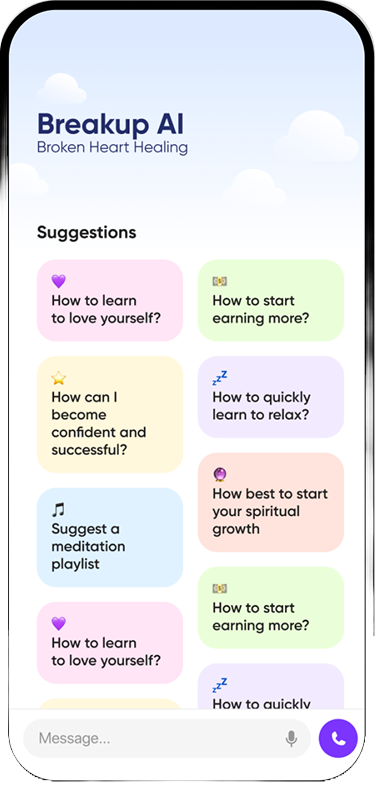
Start your journey towards healing with Breakup.one, your AI-powered heartbreak recovery companion offering 24/7 emotional support and guided programs. Explore at https://breakup.one/
The Bottom Line
Heartbreak is a profound journey of pain and self-discovery. Embracing self-care, seeking support, and rediscovering your identity can empower you to heal and emerge stronger. Remember, every step you take towards nurturing your well-being is an act of love towards yourself.
References
- American Psychological Association
- Harvard Health
- Mayo Clinic
- National Institutes of Health
- American Psychiatric Association