



Table of Contents
- Why Self-Care Matters After Heartbreak
- Understanding Your Emotional Needs
- Nurture Through Physical Self-Care
- Harness the Power of Creative Expression
- Engage in Mindful Breathing and Meditation
- Seeking Support and Building New Connections
- Cultivate a Self-Care Routine
- Embrace the Healing Power of Nature
- Rediscover New Meanings and Experiences
- Concluding Thoughts on Self-Care After Heartbreak
- Summary + Call to Action
Key Takeaways
- Heartbreak can trigger a physical stress response similar to trauma.
- Understanding emotional needs aids in proactive self-care.
- Cultivating physical activity and creativity fosters emotional healing.
- Connecting with supportive individuals is vital for recovery.
- Self-care is a continuous practice that promotes resilience and personal growth.
Picture this for a moment: You’re nestled on your couch, your fingers wrapped around a lukewarm mug of chamomile tea. That cherished sweater, once a hug of comfort, now feels like a weight on your shoulders. On the television? A swirl of colors you can’t quite focus on. You are immersed in the numbing chasm that heartbreak carves out, a remnant of the life you once knew. It’s in this moment of sheer fragility when self-care might seem frivolous, yet it’s precisely what you need to reclaim your inner peace.
Why Self-Care Matters After Heartbreak
The abrupt end of a relationship can be as catastrophic to our emotional landscape as a natural disaster is to the physical one.
“Breaking up can spark a physical stress response similar to that of surviving a traumatic event.”
— Dr. Emily Rosen, Therapist
It’s not just a dramatic metaphor. Turns out, the amygdala, the brain’s emotional epicenter, perceives emotional pain in ways remarkably similar to physical pain. If you’ve ever felt your heartache physically, you’re not alone; research published in the Journal of Neuroscience confirms this overlap. Here’s why nurturing self-care becomes essential: it’s a balm that helps to assuage the internal storm, not merely a luxury.
Understanding Your Emotional Needs
It’s one of those well-worn truths—you’ve probably heard it a dozen times. But understanding your emotional need can be your north star post-breakup. Consider Maya’s story: at 28, going through a painful divorce left her feeling unmoored, like a ship lost at sea. Keeping a journal became her lifeline. She tracked when memories would pierce her heart or when certain triggers intensified her sorrow. As painful as this awareness was, it gradually became liberating, illuminating when self-care was most crucial.
“Emotional awareness allows you to practice self-care preemptively—not waiting until you’re utterly depleted.”
— Dr. Sarah Chen, Clinical Psychologist
Nurture Through Physical Self-Care
The link between emotion and physical being is one of those profound truths backed by science. The journal Psychosomatic Medicine has shown that regular physical activity isn’t just good for the body; it alleviates symptoms of depression and anxiety, boasting emotional fortitude. Thus, weaving physical self-care into your recovery is crucial.
Start small if you must:
- A daily walk immersed in nature is a simple yet effective balm.
- Yoga and meditation, hailed as antidotes for the soul, aren’t mere fads.
Research from the Mayo Clinic backs their ability to lower stress levels by reducing cortisol. Perhaps join a local class—not only for the practice but for new, supportive communities.
Harness the Power of Creative Expression
When language isn’t enough, creativity steps in as an emotive force. Take Rachel’s experience: an artist by accident, she discovered painting as solace post-breakup in her 30s. She didn’t need formal education to find her place on a canvas. Each brushstroke became a cathartic release, emotions poured out vividly on the canvas. Through art, music, or writing, you find a therapeutic channel that’s as old as time itself, reducing stress while offering expression where words fail.
“Creative exploration, even for novices, can be a profound way to process heartache.”
— Dr. James Martin, Art Therapist
Engage in Mindful Breathing and Meditation
In the whirlwind of emotional chaos, practices like mindful breathing and meditation are anchors of tranquility. A Harvard study notes that meditation not only alleviates stress but also alters regions of the brain active during emotional distress. Just five minutes of mindful breathing as you start your day can cultivate serenity. Sit quietly, observe your breath—the gentle rise and fall of your chest—each exhalation releasing a fragment of your anguish. With time, this practice nurtures inner calm and acceptance.
Seeking Support and Building New Connections
Heartbreak isolates, but leaning on others paves paths of healing. Emily found comfort in the warmth of her friends’ support post-breakup. A robust support system doesn’t just soothe; it reflects back the multitude of perspectives from those who cherish you. The American Psychological Association reinforces that social connections are vital for resilience in emotionally charged times.
Cultivate a Self-Care Routine
Create a self-care routine to provide order amid life’s chaos after a breakup. This daily ritual brings back predictability and balance, often stripped away when relationships dissolve. Pair practical tasks with nurturing activities. Journaling, a walk, and a soothing herbal bath at night—each step tailored to your unique needs—can restore a sense of stability.
Take Layla’s lead; she swore by her evening skincare ritual. Initially burdensome, it soon became her cherished time—a sacred stage set for self-reflection and affirmation.
Embrace the Healing Power of Nature
The silent embrace of the natural world offers profound solace. Nature, with its inherent simplicity and cycles, whispers healing. Studies indicate that green spaces reduce cortisol, quelling stress. Maybe it’s a solitary hike, tending to a garden, or settling beneath a tree. Nature’s unending rhythms resonate with life’s fluctuating tides, forming a silent camaraderie in your journey of healing.
Rediscover New Meanings and Experiences
Once ready, dare to venture beyond your comfort. New skills or hobbies don’t just distract; they cultivate accomplishment and forge a fresh identity beyond past relationships. Your exploration doesn’t need grandeur. Whether it’s a cooking class, picking up a new language, or joining an outdoor club, these pursuits can ignite joy and refresh your outlook on life.
Concluding Thoughts on Self-Care After Heartbreak
Heartbreak is undoubtedly a formidable rival, yet it also heralds personal rebirth. Self-care should never be a fleeting consideration; rather, it’s a continuous practice built on self-compassion and introspection. As your heart mends, know you’re not merely returning to your past self. You’re evolving into someone more resilient—more profound. Heartbreak won’t define you, but how you care for your wounded spirit can guide you to a brighter future. So, embrace this time as an opportunity to nurture the deepest tributaries of peace within yourself.
Summary + Call to Action
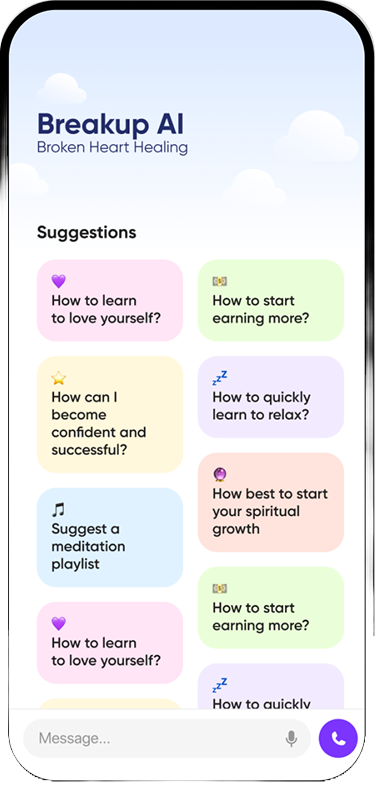
Heartbreak leaves a deep mark, but self-care can illuminate the path to healing. As you nourish your inner peace, dedicate intentional time to yourself; engage with nature, embrace creativity, and seek supportive bonds. Are you ready to take the next step in your healing path? Explore personal growth with Breakup.one: your unwavering companion in crossing the turbulent waters of heartbreak recovery. Find solace and guidance at Breakup.one.
The Bottom Line
Self-care is not just a reaction to heartbreak—it is a proactive commitment to nurturing your emotional and physical well-being. Embracing self-care helps you grow and evolve beyond your past experiences, bringing you closer to a peaceful and fulfilling life.
References
- Journal of Neuroscience
- Psychosomatic Medicine
- Mayo Clinic
- Harvard University
- American Psychological Association