



Table of Contents
- The Emotional Aftermath: Understanding Heartbreak’s Impact
- Cultivating Compassion: The Bedrock of Healing
- Rebuilding Self-Identity: The Path to Inner Strength
- Building a Supportive Community: The Silent Strengtheners
- Physical Care: Restoring the Body to Aid the Mind
- Emerging from Heartbreak with Fortitude: A Vision Forward
- Summary + CTA
The Emotional Aftermath: Understanding Heartbreak’s Impact
Heartbreak is not just poetry; it’s physiology, as Dr. Sarah Chen from NYU explains. Heartache lights up the same brain pathways as physical pain, making the emotional intensity tangible. Cortisol, that pesky stress hormone, runs riot, screwing up sleep, appetite, and attention spans.
In the hazy days that follow, grieving is not just necessary—it’s crucial.
“Bottling up emotions only prolongs suffering.”
— Dr. John Gottman, Relationship Authority
It’s a brave heart that faces pain head-on, a vital step toward healing, however counterintuitive it might feel.
Cultivating Compassion: The Bedrock of Healing
Self-compassion — we’ve all heard of it, right? You find yourself reliving moments, blaming yourself in the process. It’s a destructive loop. As Kristin Neff outlines, extending the kindness you’d offer a beloved friend to yourself is fortifying (Neff, K. – Self-Compassion: The Proven Power of Being Kind to Yourself).
How can one cultivate this self-compassion? Start with mindfulness. Notice when you’re antagonizing yourself and redirect. Apps like Headspace promise gentle guidance into this practice.
Writing, too, is a refuge. Pen a letter to yourself, acknowledging your suffering with empathy. It’s a practice of both letting go and embracing solace (Tomasino, B., Fabbro, F., 2012. American Psychological Association).
Rebuilding Self-Identity: The Path to Inner Strength
Heartbreak fractures your identity, doesn’t it? Many find themselves asking, “Who without them?” A disheartening query, but also a chance for introspection and rediscovery.
- Explore Your Passions: Revisit joys you sidelined. Whether it’s climbing mountains or exploring a paintbrush, these diversions echo who you are at heart.
Harper, 31, backtracked to writing post-breakup. Her newfound routine did more than pass time — she discovered joy and healing within written words. The theory of self-concept clarity backs this up: the clearer our sense of self, the happier we find ourselves (Campbell, J.D. – Journal of Personality and Social Psychology). Pursuing forgotten hobbies is not just distraction, it’s a reclamation.
Building a Supportive Community: The Silent Strengtheners
Loneliness clings during heartbreak. Yet, even in solitude, the warmth of community — forged through friends or support groups — can be a balm. Connection provides both comfort and new perspectives.
Finding Your People: Reach out. Text a friend from the past, or call family. Even join communities who share your journey.
Therapy, too, opens avenues for sharing.
“Mutual sharing begets mutual healing.”
— Dr. Lisa Firestone, Psychologist
The shared experience fast-tracks recovery.
Physical Care: Restoring the Body to Aid the Mind
It’s easy to neglect our bodies when our hearts ache. Heartbreak disrupts routines influencing diet and energy levels.
- Movement is Medicine: Exercise invites endorphins to work their magic, lifting spirits naturally. Whether it’s yoga, a brisk walk, or, if you’re daring, spin class—get moving.
- Nourishment Matters: Omega-3s and antioxidants are more than buzzwords. They’re emotional health allies (Mayo Clinic). Staying hydrated? Essential, yet underrated.
Emerging from Heartbreak with Fortitude: A Vision Forward
Time stretches — the days and nights blend. But know this: heartbreak isn’t your end point. Rather, it adds depth to your life’s mosaic. Pain creates resilience; through it, you grow — reconstruct yourself.
Morgan, 25, redirected her sorrow through volunteer work at a local animal shelter. In giving, she found purpose, pulling herself out of despair and into a generous life.
Your journey forward is one of self-discovery and newfound strength. Imagine the most resilient version of yourself, your heart the phoenix that rises, rejuvenated and ready for deeper connections.
Anaïs Nin believed, “Life shrinks or expands in proportion to one’s courage.” Be daring in your endeavors of self-care; it’s the bedrock of revival.
Key Takeaways
- Heartbreak feels overwhelmingly isolating but is a shared human experience.
- Self-compassion is crucial for healing and can be cultivated through mindfulness and writing.
- Rebuilding your identity involves rediscovering old passions that resonate with your true self.
- Community support is vital; reach out to friends, family, or support groups to ease feelings of loneliness.
- Physical care, including exercise and good nutrition, significantly impacts emotional well-being.
The Bottom Line
Heartbreak feels like the end, yet it’s merely a transformation — a pathway leading back to your vibrant self. With time, and tender self-care, you’ll return to the brightest version of who you are meant to become.
Summary + CTA
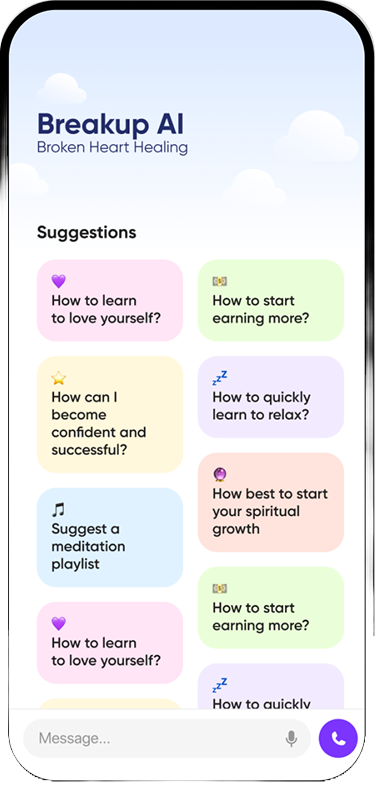
In navigating the turbulent seas of heartbreak, self-care is your lighthouse, steering you towards tranquility. Through self-compassion, identity restoration, and physical nurturing, clarity and courage in adversity are within reach. Join Breakup.one’s AI-powered support journey to reclaim your strength: https://breakup.one/.
References
- American Psychological Association (APA)
- Neff, K. – Self-Compassion: The Proven Power of Being Kind to Yourself
- Tomasino, B., Fabbro, F. – American Psychological Association
- Mayo Clinic