



Table of Contents
- Heartbreak’s Emotional Toll on Self-Confidence
- Why Practicing Self-Care is Essential
- Embracing Self-Care: Where to Start
- Community and Connection: Reviving Your Social Self
- Rediscover Your Passion
- Mindful Practices to Nurture Resilience
- Rebuilding Self-Worth
- Look Forward With Compassion
- Moving Towards a Brighter Tomorrow
Key Takeaways
- Self-care is essential for healing and rebuilding self-confidence after heartbreak.
- Establishing new routines and embracing emotions can facilitate recovery.
- Community connections and rediscovering passions play crucial roles in the healing process.
- Mindfulness practices help nurture resilience and emotional health.
- Self-compassion and positive affirmations aid in building self-worth.
Heartbreak. Just hearing the word might make your chest tighten with the memory of a personal loss. Imagine a chilly evening, wrapped in the cocoon of a blanket on your couch, tears silently marking their path down your face. Almost mindlessly, you reach for your phone, a habitual action, just to remind yourself of the vacancy left on the other end. Relatable? For many, this scene plays out as they wade through the choppy waters of heartache, searching desperately for a way to rebuild their wounded self-worth.
Now, let’s debunk a common myth: self-care after heartbreak isn’t just about luxury spa treatments or a big bowl of chocolate ice cream, though they can offer a moment’s respite. It’s really about aligning your inner compass and rediscovering the fragments of yourself that remain. If you’re caught in this storm of loss, be reassured—emerging not just intact but revitalized is possible. Let’s dive into this profound journey and discover self-care strategies that can reignite your confidence.
Heartbreak’s Emotional Toll on Self-Confidence
The profound impact of heartbreak on self-confidence might surprise you. Consider this: when Shannon, 25, faced the end of a long-term relationship, she found herself trapped in a cycle of self-doubt.
“Was I not enough?”
— Shannon, 25
This isn’t just emotional distress talking—it’s our brain’s way of processing the end of a relationship, akin to physical pain. According to the American Psychological Association (APA), such breakup-induced feelings can trigger a fight-or-flight response, turning emotional pain into something quite literal.
“Heartbreak disrupts your identity. It’s as if you’re in mourning for a version of yourself that existed solely within the framework of that relationship.”
— Dr. Sarah Chen, Clinical Psychologist at NYU
Accepting this can be a fundamental step towards mending. Self-care, at its core, is about tending to the scars left behind and reclaiming the individuality that may have been overshadowed.
Why Practicing Self-Care is Essential
Why is self-care key in rebuilding that shaken confidence? Simply put, science backs its importance. Research highlights that intentional self-care can lower stress, bolster concentration, and elevate mood (a Mayo Clinic insight). By embracing self-care, you cultivate a nurturing space to process emotions and prioritize your mental well-being.
Embracing Self-Care: Where to Start
1. Establish a New Routine
Amidst chaos, a routine is an anchor. Maya, 28, discovered solace post-divorce by crafting a new morning ritual.
“Every morning, I dedicate ten minutes to gratitude journaling.”
— Maya, 28
This simple habit not only grounded her but shifted her mindset from loss to gratitude. If such efforts seem daunting, begin with small steps. Perhaps a steady bedtime routine or some regular exercise can become pivotal in your personal rediscovery.
2. Permission to Feel
The breakup blues often come with societal pressure to “move on.” Yet, rushing healing is counterproductive.
“Emotions aren’t inherently problematic—our reactions to them can be.”
— Dr. Lisa Feldman Barrett, Psychology Professor at Northeastern University
Permit yourself to grieve. Let the tears flow, pen unsent letters. By acknowledging emotions without criticism, you forge a pathway to genuine healing.
Community and Connection: Reviving Your Social Self
Feeling lonely? Heartbreak can certainly do that. However, reconnecting with your community can work wonders for your spirit. Joanna, 31, stumbled upon a hiking group through Meetup, weaving new social threads into her life.
“Rather than dwelling on a void, I embraced nature and met individuals highlighting life’s beauty.”
— Joanna, 31
Such connections help you realize that while a chapter closes, other parts of your life can thrive.
Rediscover Your Passion
Love often blurs individual pursuits in favor of shared experiences. Heartbreak, however painful, can present a chance to rekindle personal passions. When Jake, 23, went through a wrenching breakup, he returned to painting—an art form he’d shelved.
“It was cathartic, like unearthing a forgotten part of myself.”
— Jake, 23
Why not delve into an old hobby or embark on something new? These ventures encourage personal growth and fortify self-belief.
Mindful Practices to Nurture Resilience
Meditation and Mindfulness
Mindfulness practices offer a nurturing inner refuge. Kristina, 26, derived tranquility from her daily meditation.
“I observed my hurt from a distance, refusing to be swallowed by it.”
— Kristina, 26
Studies illustrate mindfulness as effective in reducing depression and anxiety symptoms, fostering comprehensive emotional health (National Institutes of Health insight).
Yoga and Movement
Yoga transcends mere physical exercise. It’s a holistic approach encompassing deep breathing and bodily awareness. A yoga mat can transform into a sanctuary of sorts, where heartache slowly becomes manageable. Whether it’s vigorous vinyasa or soothing yin, yoga promotes emotional release and corporeal strength.
Rebuilding Self-Worth
Switching from negative ruminations to self-affirmations is deliberate work. Stand before a mirror and express kind words to yourself. Awkward? Likely at first, but neuroscience supports this—consistent positive affirmations can rewire brain pathways, enriching self-esteem.
“Surround yourself with reminders of your intrinsic value. Scatter affirmations on sticky notes around your home, offering gentle nudges.”
— Dr. Laura Markham, Psychologist specializing in Emotional Health
Look Forward With Compassion
Self-compassion means offering yourself the kindness reserved for a dear friend. If a friend were heartbroken, would you chide them for sadness? Unlikely. Why then do it to yourself? This healing venture requires grace and empathy.
Take Maya’s experience—
“My relationship’s demise propelled me to finally chase my dreams.”
— Maya, 28
A testament to heartbreak’s duality—it can be agonizing, yet usher in new beginnings, given the chance.
Moving Towards a Brighter Tomorrow
Letting go of the past, moving ahead—it’s not about erasing experiences but learning from them. Growth often arises out of struggles. As you journey onward, hold Emily’s story close—a beacon showing that reshaping your life is attainable. Emily, 29, discovered writing amid heartbreak, turning her narrative into something empowering.
While heartbreak might dim your light momentarily, remember that self-care can reignite it. Stepping forward with determination, understand that healing isn’t a straight line—it’s an intricate tapestry of highs and lows. Celebrate joyful moments and extend kindness to yourself during painful ones.
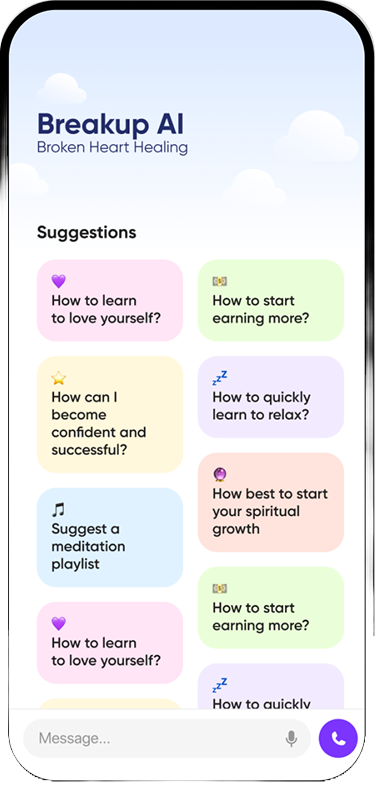
If you’re on the road to regaining your confidence, nourishing supportive resources can be pivotal. Consider Breakup.one, an AI-driven platform offering 24/7 emotional support and guided healing programs.
The Bottom Line
Navigating the haze of heartbreak demands resilience, patience, and boundless love for oneself. Choose self-care not as an indulgence, but an essential act. Reclaim your narrative and build your confidence day by day, knowing you’re not simply surviving heartbreak but blossoming anew.