



Amidst the quiet buzz of her favorite coffee spot, Emily sat gazing at the cooling coffee in front of her. Conversations flowed around her, unnoticed, as did the clattering barista at work. Her world had drawn tight, centered intensely on one sensation: heartbreak. Have you ever found everything feels heavier, yet emptier, all at once? You’re definitely not in solitude here.
Table of Contents
- Understanding Heartbreak and Its Impact
- The Science Behind Self-Care
- Curating Your Self-Care Toolkit
- Building a Ritual That’s Right for You
- Integrating Support Systems
- Embracing the Process
- Finding New Beginnings
- The Bottom Line
Key Takeaways
- Heartbreak can trigger reactions in the brain similar to physical pain.
- Self-care rituals can help soothe emotional distress and foster resilience.
- Personalized practices like journaling, movement, and meditation can facilitate healing.
- Community support plays a crucial role in recovery from heartbreak.
- Each step towards healing is a testament to your resilience and potential for future love.
Understanding Heartbreak and Its Impact
Heartbreak strikes with a startling force, shaking up everyday life and clouding our dreams of tomorrow. Why is this deeply personal upheaval universally tough to handle?
“The anguish from a breakup ignites the same brain areas as physical pain, which is why it hurts just as much as an injury.”
— Dr. Sarah Chen, Clinical Psychologist
This emotional storm can blur your thoughts, disrupt sleep, and make you shrink from company.
The numbers might surprise you. Back in 2010, a study from the Journal of Neurophysiology spotlighted that those reeling from breakups showed brain activity similar to physical pain sufferers. Heartbreak’s impact isn’t just emotional; it tangibly leaves its mark on the brain, according to the APA.
What then, might soothe this deep ache? Enter self-care rituals — small, deliberate acts designed to help the heart heal and bring peace to the spirit.
The Science Behind Self-Care
Before uncovering specific practices, let’s delve into why self-care is essential in mending a broken heart.
“Self-care rituals ground us, offering control when our emotions feel like they’re running the show.”
— Curtis Reisinger, Ph.D.
On a scientific level, regular self-care can spark the release of endorphins — our body’s inherent pain relievers — and serotonin, a key mood modulator. This chemical response does more than lift spirits momentarily; it fosters resilience for future challenges.
Curating Your Self-Care Toolkit
1. Journaling for Emotional Clarity
Imagine darting through a thick fog — disorienting, isn’t it? Such is the emotional fog post-breakup. For Maya, 28, who navigated a divorce, journaling offered clarity.
“Writing was like speaking without fear of judgment. It helped articulate what I couldn’t say out loud.”
— Maya, Heartbreak Survivor
Why It Works: Journaling offers a sanctuary for deep feelings to surface and be processed. A 2013 study in the Journal of Affective Disorders found expressive writing can significantly ease anxiety and depression, as reported by the NIH.
How to Start: Set aside a moment daily to let your thoughts flow freely. The goal isn’t grammar perfection but raw honesty. Prompts such as “Today I feel…” or “Things I’m thankful for…” might help you begin.
2. Movement for Mood Enhancement
Coming to terms with a breakup often leaves exercise as the last priority. Yet, its benefits are immense.
“Physical activity increases endorphin levels, elevating mood and effectively managing stress.”
— Dr. Mark Lee, Wellness Expert
How It Works: Regular movement boosts brain-derived neurotrophic factor (BDNF), improving brain and mood health (as noted by Harvard Health).
How to Incorporate It: Begin lightly. Start with gentle stretches or a short walk. As energy and motivation gather, consider yoga, dance, or hiking — activities blending physical vigor with mindfulness.
3. Meditation for Mindful Healing
In the chaos of a split, meditation can foster peace. When Jacob, 31, went through his painful separation, mindfulness meditation became his solace.
“Detaching from the incessant ‘what ifs’ was liberating.”
— Jacob, Mindfulness Practitioner
Why It Works: Meditation reduces cortisol — the stress hormone — while enhancing mindfulness. This practice of being present can foster emotional healing (Mayo Clinic’s findings say so).
Getting Started: Apps such as Headspace or Calm guide beginner sessions. Even five minutes of focused breathing daily can nurture tranquility.
Building a Ritual That’s Right for You
Personalization is Key
While effective, these rituals must resonate personally.
“Rituals that mirror your essence are profound. They should comfort you, never force you.”
— Dr. Amelia Thompson, Life Coach
Why It Matters: When rituals resonate, they become lifelong allies in your healing journey.
Crafting Your Routine: A Step-by-Step Approach
- Reflection: Revisit activities that once brought you comfort. Whether sketching, music, or nature, find your heart’s language.
- Consistency: Weave these activities into daily life. Over time, they become soothing rituals.
- Adapt & Evolve: As you heal, your needs change. Be gentle and adapt rituals to your journey’s unfolding path.
Integrating Support Systems
Beyond Self-Rituals: Seeking Community and Professional Help
Recovery unfolds as a tapestry — the threads of self-work interwoven with community support. Friends, family, or support groups offer companionship and shared understanding.
“Balance self-work with leaning on others. Isolation deepens loneliness, but sharing promotes empathy.”
— Dr. Chen
How to Build Support:
- Express: Openly share feelings with trusted allies.
- Join: Engage in online communities for shared stories and encouragement in isolation.
- Seek Guidance: Counseling or therapy can tailor strategies to your personal narrative.
Embracing the Process
Picture Emily again, sipping her coffee amidst the shop’s quiet bustle. Over time, with care and community, her heart begins to heal. Each ritual, a stone paving her path from suffering towards growth.
Heartbreak, though painful, teaches profound lessons. As you traverse its realm, let self-care rituals be your gentle, guiding balm.
Finding New Beginnings
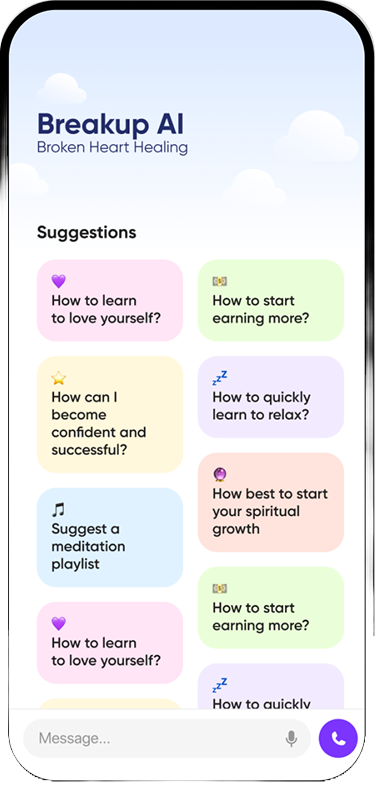
Breaking the cycle born out of heartbreak may not be swift or easy, but it’s achievable. Arm yourself with these rituals and transform your hurt into something meaningful. Should structured support beckon, consider exploring resources like Breakup.one — an AI companion guiding your emotional journey.
The Bottom Line
Heartbreak can be a tumultuous journey, but incorporating self-care rituals and seeking support from others can guide you toward healing and growth. Remember, each step you take is a powerful testament to your resilience and capacity for love in the future.
References
- APA – https://www.apa.org
- NIH – https://www.nih.gov
- Harvard Health – https://www.health.harvard.edu
- Mayo Clinic – https://www.mayoclinic.org