



Table of Contents
- Emotional Pain Unpacked
- The Necessity of Grieving
- Being Alone Isn’t Being Lonely
- Support Networks and the Comfort They Bring
- Practicing Self-Compassion
- Finding Stability in Routine
- Creativity as Emotional Release
- Acceptance and Forgiveness
- A Forward-Looking Journey
Key Takeaways
- Emotional pain from breakups is real and resembles physical pain.
- Grieving is essential and involves navigating through various emotional stages.
- Self-compassion and creativity can significantly aid in the healing process.
- Lean on support networks to strengthen resilience during tough times.
- Forgiveness is crucial for moving forward and finding acceptance.
On an unusually warm June evening, as the sun dipped below the horizon in swirls of orange and pink, Maya found herself staring at her phone. The message that illuminated her screen was brief, but its impact was earth-shattering: “It’s not working anymore. I think we should end this.” How could so few words unravel the universe she thought she knew? For Maya, and countless others who have stumbled across this crossroad, these words launch an uncharted journey through the tangled forest of heartbreak.
Ever been there? If you are grappling with this kind of emotional avalanche, take solace in the fact that you’re far from alone. The end of a meaningful relationship feels like grief because, in many ways, it is. Every laugh, every tender moment revisited, the “what-ifs” that play on repeat — they all become part of the emotional aftermath. And yes, it hurts.
Emotional Pain Unpacked
Let’s take a moment to consider what exactly conjures emotional pain following a split. According to
“Breakups disrupt our expected future. It’s not just losing the person; it’s losing the envisioned life.”
— Dr. Sarah Chen, NYU
. Did you know that when lab coats and electrodes are at work, they find romantic rejection lights up the same brain areas as physical pain? Science tells us that the ache is genuine. It’s no wonder your chest feels heavy, as if weighted by something tangible.
The Necessity of Grieving
Allow—no, insist—that you grieve. Heartbreak parallels grief’s infamous stages: denial, anger, bargaining, depression, acceptance. Yup, even the mighty Harvard has something to say on this. Therapist
“Grieving isn’t weakness. It’s an ode to what once was.”
— Elizabeth Herrera, Therapist
often reminds heartbroken souls. Journaling might be your ally here. Words scrawled in private can make sense of turmoil. Unscrew the cap, pour your heart—compose those letters you’ll never send.
Being Alone Isn’t Being Lonely
Faced with stillness, don’t dread solitude. It’s tempting to equate those quiet moments with loneliness, but let’s flip the script. Rediscover yourself—remember those hobbies you’ve neglected? Dive back in, be it through picking up a brush, taking a second attempt at guitar, or exploring literary worlds anew. You might just become your newest favorite company.
And why not let science back this shift? A study (the APA knows a thing or two about this) suggests that immersion in self-expansion activities post-breakup nurtures well-being and personal growth. A change of pace can set off those changes of heart.
Support Networks and the Comfort They Bring
In the tempest of sadness, find an anchor in the form of friends and family. Maya reached out, leaning on her tribe when the waters seemed too rough. As she puts it,
“Their patience and presence were my lifeline.”
— Maya
. Surround yourself with people who honor your pain, not diminish it. You deserve shoulders on which you can lean, voices whispering reassurances, hands pulling you back into the light.
Consider routines like virtual coffee chats or strolls with loved ones—they’ll stitch warmth back into the fabric of your new existence. How about giving them the thanks they deserve? It’s a gesture that goes both ways.
Practicing Self-Compassion
Feeling weighed down by self-doubt or guilt? Here’s your cue for leniency. Extend to yourself the gentleness you’d offer a cherished friend. Research shows that self-compassion tempers the emotional storms of breakups.
“Self-compassion lets us make peace with our flaws and recognize that everyone faces emotional storms.”
— Dr. Nisha Patel
So, how do you crack this self-compassion code? Start by challenging harmful internal monologues—replace them with affirmations. Your healing journey doesn’t need a stopwatch; it should unfold gracefully. Make time for activities that feed both your soul and body, whether that’s yoga or a quiet meditation session.
Finding Stability in Routine
As your world topples, re-establishing order becomes crucial. Breakups scatter routines—time to gather the pieces. Small practices—be it making your bed or prepping meal plans—inject predictability into your day and stitch together a semblance of normalcy.
Routines aren’t just busywork. They’re psychological pillars amid chaos, providing structure where there was once discord. A planned day lets you anchor to purpose beyond reflection.
Creativity as Emotional Release
Tap into artistry for solace—experience the cathartic release only creativity can offer. Be it through painting, music, or prose, a creative endeavor becomes a silent yet expressive avenue for exploring emotion. Maya’s journey with watercolors captured facets of sorrow and healing that words couldn’t reach. Each canvas became a testament to resilience and renewal.
Acceptance and Forgiveness
Finally, you arrive at acceptance. But don’t forget forgiveness—to your ex, and more importantly, to yourself. Holding onto bitterness only perpetuates your suffering, while forgiveness releases you from its grasp. To move forward, try mindfulness exercises—visualize unburdening yourself from the emotional weight.
Stanford thinkers suggest approaching relationship endings as opportunities rather than setbacks fosters resilience. It reframes your narrative as one filled with valuable growth and learning.
A Forward-Looking Journey
Healing isn’t a race, and bumps along the way aren’t failures. Cultivate hope, imagine the life you wish to create, jot down aspirations. Celebrate small victories—you earn each one. When reminiscence occurs, it’ll be less sharp, a shadow rather than a storm.
Maya’s voyage through heartbreak found her discovering personal strength and community. Her heart, once bruised, now resonates with purpose and optimism. If you face similar turmoil, remember that your unique journey will unfold through compassion and perception, gradually weaving threads of healing.
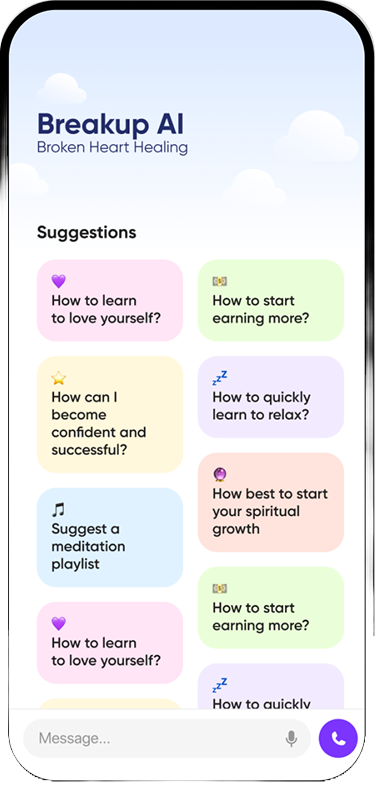
For continued companionship on this path, consider resources like Breakup.one, an AI-driven support station offering emotional guidance around the clock. Be kind to yourself on this journey; there is much to discover.
The Bottom Line
Heartbreak is a profound emotional experience that requires time, self-compassion, and support. Embrace your journey of healing with an open heart, allowing for growth and renewal along the way.
References:
Harvard University
American Psychological Association