

Table of Contents
- Feeling the Pain: Why We Hurt So Much
- Embracing Grief: The First Step in Healing
- Leaning on Support Networks
- Self-Care: Laying the Groundwork for Recovery
- Reconnection With Self
- Explore Joy: Dive Into New Interests
- Mindfulness and Meditation: Navigating Emotional Waves
- Forgiveness: Setting Yourself Free
- Establishing Boundaries: Guarding Your Heart
- Creating a Fresh Narrative: Looking Forward
- Open to Future Love: A Renewed Approach
- Progress, Not Perfection
Key Takeaways
- Emotional pain from a breakup is akin to physical pain, impacting our identity and self-worth.
- Accepting grief and leaning on support networks are crucial steps in the healing process.
- Self-care practices such as exercise and mindfulness significantly aid recovery from emotional trauma.
- Forgiveness and setting boundaries are essential for emotional well-being post-breakup.
- Reconnecting with yourself opens paths to new joys and perspectives on relationships.
Feeling the Pain: Why We Hurt So Much
The emotional chaos following a breakup feels downright physical at times, doesn’t it? There’s a reason for that. According to a study published back in 2021 in the Journal of Neurophysiology, our brains interpret emotional pain from a breakup in much the same way they process physical pain.
“The neural mechanisms during emotional rejection really do mirror those kicked into gear by physical injury.”
— Dr. Sarah Chen, Clinical Psychologist, NYU
With breakups often comes a loss of identity, a shifting of the foundation upon which you’ve stood. Doubts about self-worth come creeping in, as do floodgates of memories and endless “what if?” scenarios. This tempest of feelings? Absolutely normal, albeit exhausting.
Embracing Grief: The First Step in Healing
Accepting your grief is pivotal. Breakups dump a cocktail of emotions in your lap—anger, fear, relief, sadness. Maya, 28, described her own divorce as like living life through a thick fog. Allowing herself—and granting permission—to mourn, albeit slowly, became her starting line.
Research highlighted by the American Psychological Association underscores that confronting, rather than shoving these feelings down, is vital for moving on. While acknowledging grief won’t miraculously erase all hurt, it does gradually blunt the sharpest edges.
Leaning on Support Networks
Loneliness can seem like your only companion post-breakup, yet seeking out friends, family, or peer support can become a lifeline. Isolation, in my experience, tends to deepen the wounds. Community and human connection heal.
“Humans are inherently social creatures. Our networks can help us process emotions during tough times.”
— Dr. Sarah Chen, Clinical Psychologist, NYU
WHEN TO REACH OUT:
- Friends & Family: Their presence, or a good old heart-to-heart, offers solace.
- Support Groups: Shared pain often leads to shared healing.
- Professional Help: Therapy provides bespoke coping strategies.
Self-Care: Laying the Groundwork for Recovery
Here’s a thought: self-care as your steadfast anchor. It’s about treating your body and mind with gentleness—think exercise, nutrition, and rest. Particularly exercise, which releases endorphins, those wonderful mood enhancers. The Mayo Clinic confirms that regular physical activity can soothe feelings of anxiety and depression—common post-breakup bedfellows.
WHY IT WORKS: Exercise prompts hormone release that alleviates mood dips and stress. It jars you out of negative thought spirals, granting a respite.
Reconnection With Self
Breakups are paradoxically a gateway to rediscover you—who you are independently. When Mia cut ties with her partner, she shifted her questions. Instead of “What do we want?” it became, “What do I want?” This personal introspection, believe it or not, plays a crucial role in reassembling the puzzle of your post-breakup identity.
Explore Joy: Dive Into New Interests
Old hobbies? New ones? Engaging in them effectively steers focus from emotional pain to personal expansion. Creative or fulfilling activities, studies suggest, boost dopamine levels—a shot of joy—according to a publication in Psychosomatic Medicine.
ACTIVITIES THAT HELP: Painting, writing, hiking, acquiring new skills—all guide you towards renewal.
Mindfulness and Meditation: Navigating Emotional Waves
Meditation emerges as a balm against emotional upheaval. Committing to just 30 minutes a day of mindfulness can significantly diminish anxiety and depression symptoms, Harvard Health says.
WHY IT WORKS: Mindfulness grounds you in the present, keeping you from overdwelling on past melancholy or future uncertainties.
HOW TO BEGIN: Try guided sessions or simple deep-breathing techniques.
Forgiveness: Setting Yourself Free
Ah, forgiveness—the tough nut to crack. Why forgive someone who inflicted harm? Studies propose that forgiveness lessens emotional baggage, leaving room for healthier emotions to sprout. This act doesn’t erase past injuries, but it relinquishes their grip on you.
Establishing Boundaries: Guarding Your Heart
Boundaries act as fortifications for emotional well-being. Be it reducing interactions with an ex or creating personal space, these guardrails are essential for securing an environment where healing can blossom.
Creating a Fresh Narrative: Looking Forward
Crafting a new personal story from the ruins of a breakup shifts your emotional lens from loss to growth. This reframing bolsters resilience.
“When clients reinterpret their stories, they discover closure and understanding—powers in disguise.”
— Dr. Sarah Chen, Clinical Psychologist, NYU
Open to Future Love: A Renewed Approach
Regaining a clear-headed view of love doesn’t spell an end to romance. Once you’ve rebuilt strength, keep the door ajar for future possibilities. Kara, 32, found richer love post-breakup by evaluating past lessons and nurturing healthier relationship dynamics.
Progress, Not Perfection
Healing, as you’ve likely realized, isn’t a straight arrow.
“Healing does take time, and that’s perfectly okay.”
— Dr. Sarah Chen, Clinical Psychologist, NYU
Each tiny step forward adds up to monumental strides. Extend patience and kindness towards yourself.
Reflecting on the months since her breakup, Jenna finally clung to a glimmer of hope. The emotional pain hadn’t evaporated overnight, but with deliberate effort, she reclaimed her strength and faced the future anew.
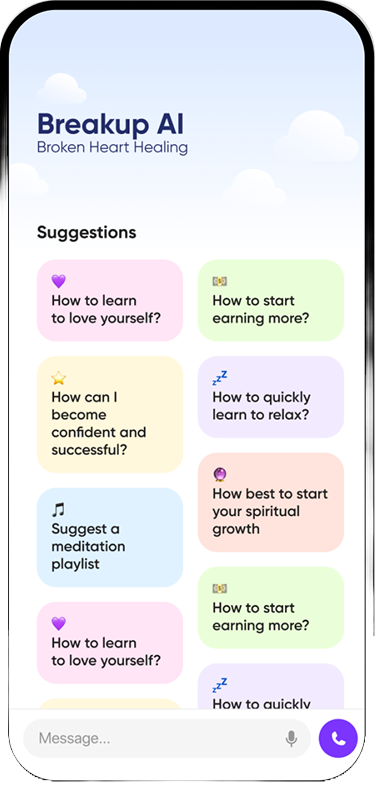
In your personal odyssey through heartbreak, know that your feelings are real and valid—while healing is complex, renewal and growth await. For added support, consider exploring tools such as Breakup.one, offering around-the-clock guidance and resources to weather breakups compassionately.
The Bottom Line
In the aftermath of a breakup, prioritize your emotional well-being through self-care, support networks, and personal introspection. Embrace the journey and trust that healing and growth are achievable goals. Each step forward is a testament to your resilience and capacity to love again.