



Table of Contents
- The Heart’s Unseen Scars
- Understanding the Grief of Heartbreak
- Creating a Safe Space for Healing
- Reconnecting with Your Physical Well-being
- Building a Support Network: Hearts That Hold Us
- The Power of Mindfulness and Meditation
- Expressive Writing: A Healing Tool
- Self-Compassion: Leaning Into Kindness
- Embracing New Experiences
- Setting Boundaries for Emotional Safety
- Visualizing a Brighter Future
- Empowered Beginnings
- The Bottom Line
Key Takeaways
- Heartbreak can feel intensely personal, but self-care is crucial for emotional recovery.
- Creating a nurturing environment and reconnecting with physical well-being are key steps in healing.
- Establishing a support network and practicing mindfulness can significantly impact your healing journey.
- Expressive writing and self-compassion help untangle emotions and foster kindness towards oneself.
- Embracing new experiences and setting boundaries are essential for emotional safety and growth.
The Heart’s Unseen Scars
Imagine this: the wind howling, rain pelting against your window, and you, wrapped tight in a cozy blanket, contemplatively staring at the ceiling. The weight of your heartache feels as heavy as the storm outside. Not long ago, laughter echoed through your space, a shared intimacy you believed invincible. And now… you’re left navigating a void—a space that feels hauntingly empty without what once was.
Heartbreak. It’s a force that alters the very fabric of our daily existence. Despite its universal nature, when you’re in its grip, the loneliness feels intense and personal. This is where the art of self-care steps in—an essential companion in the journey to emotional recovery. It’s not just about those fleeting moments of indulgence; it’s about establishing a nurturing sanctuary within oneself, a commitment to long-term healing.
Understanding the Grief of Heartbreak
“It’s like saying goodbye to a future you envisioned.”
— Dr. Sarah Chen, Clinical Psychologist
The brain’s reaction isn’t much different from withdrawal—comparable to breaking free from an addiction, as noted by a Harvard study a while back.
Maybe that’s why anxiety, a touch of depression, and an encompassing emptiness seem to cling so stubbornly. Studies reveal that heartbreak lights up areas of the brain linked to physical pain and the detection of threats (remember the anterior cingulate cortex and limbic system?). But understanding the mechanisms is just the start—let’s explore how to actively engage self-care amidst heartache.
Creating a Safe Space for Healing
Take Jamie, just 24, navigating her own breakup storm. She noticed every corner whispered of memories until she made the decision to transform her surroundings. A fresh coat of paint here, a new piece of art there—reclamation of her space, yes, and in ways of herself too.
WHY it works: Our environment can reflect our mental chaos. Reordering, as studies by the APA suggest, signals your mind to embrace healing—inviting calm where disorder once reigned.
HOW to do it: Small gestures can create comfort:
- Switch up your room’s arrangement.
- Add a splash of color with new decor.
- Swap out your bedding.
Tiny changes can invigorate your perspective.
Reconnecting with Your Physical Well-being
Emotional upheaval often throws routines off-kilter, sometimes leading to skipped meals or restless nights. But nurturing the body is crucial when it feels as though the heart’s falling apart.
WHY it works: Exercise releases those feel-good endorphins. Eating well fuels the brain, stabilizing emotions, as health experts often emphasize.
HOW to do it: Ease into it. A ten-minute walk, a balanced meal, a sip more water—each a small investment in your physical health, shaping your emotional resilience.
Building a Support Network: Hearts That Hold Us
After her painful split, Maya, 28, initially wanted to retreat into solitude. Yet her friend’s gentle persistence opened the door to conversations that became a refuge—offering validation and warmth.
WHY it works: Sharing burdens lightens them. Research underscores human connection’s healing power, and sometimes, a simple conversation can feel like a lifeline.
HOW to do it: Reach out. Confide in someone you trust, or find solace in online communities. These connections matter—so choose them mindfully.
The Power of Mindfulness and Meditation
Mindfulness is talked about quite a bit, but what exactly is it when you’re heartbroken? Think of it as befriending your emotions, judgment-free. Ravi, 32, stumbled into meditation post-heartbreak; it became his safe harbor amidst mental turmoil.
WHY it works: Mindfulness can ease anxiety and stabilize emotions, allowing for measured responses rather than knee-jerk reactions.
HOW to do it: Start with a short, guided meditation. Apps like Headspace can help you harness moments of peace. Just five minutes of breathwork a day—with thoughts allowed to flutter freely—can be transformative.
Expressive Writing: A Healing Tool
Expressive writing, though not always neat, opens doors to deeper emotional understanding. Post-breakup, Lucy, 26, found solace in beginning each day by capturing her emotions in a journal—no artful prose, just honest scribbles.
WHY it works: Writing helps untangle emotions while providing psychological relief.
HOW to do it: Dedicate time daily for journaling. Let your thoughts flow without the concern for grammar or coherence—just write. Prompts like “What I’m feeling today…” can guide you to clarity.
Self-Compassion: Leaning Into Kindness
Harsh self-judgment often follows breakup scars—questioning what went wrong. Yet, self-compassion can reshape how we perceive pain.
WHY it works: Kindness towards oneself is linked to better mental health.
HOW to do it: Practice gentler self-talk. When criticism arises, pause and offer yourself the same understanding you would a dear friend in pain.
Embracing New Experiences
Stepping out of comfort zones can be daunting—especially when vulnerable. Yet new activities spark joy and growth.
WHY it works: New experiences challenge the brain, promoting a forward-thinking mindset.
HOW to do it: Try that class you’ve always thought about, or wander to a place unfamiliar. Even small adventures can lead to newfound joys and cherished memories.
Setting Boundaries for Emotional Safety
A heartbreak often calls for a reassessment of your personal boundaries, crucial for self-preservation. When Alex, 29, faced his breakup, he learned to assert his needs for time and solitude kindly.
WHY it works: Boundaries prevent emotional exhaustion—they’re a critical part of self-care post-heartbreak.
HOW to do it: Clearly communicate what you need. It’s okay to protect your space and prioritize healing over immediate engagement.
Visualizing a Brighter Future
Believing in a hopeful future can seem daunting amidst despair. Visualization is about accepting the present but planting seeds of hope.
WHY it works: Shaping a positive mental framework encourages resilience.
HOW to do it: Spend time each day picturing a joyful future. Imagine the sound of your laughter, or moments of peace. It subtly shifts your mindset, gradually building towards healing.
Empowered Beginnings
Heartbreak maybe shatters the ordinary, but it also opens pathways to self-discovery. Healing isn’t a straight path. It’s winding and gentle, requiring patience, kindness, and a letting go of what drags the heart down.
In creating your tailored journey of self-care, you pave a newfound path to inner peace. Honor each emotion that surfaces—it’s yours to hold and heal.
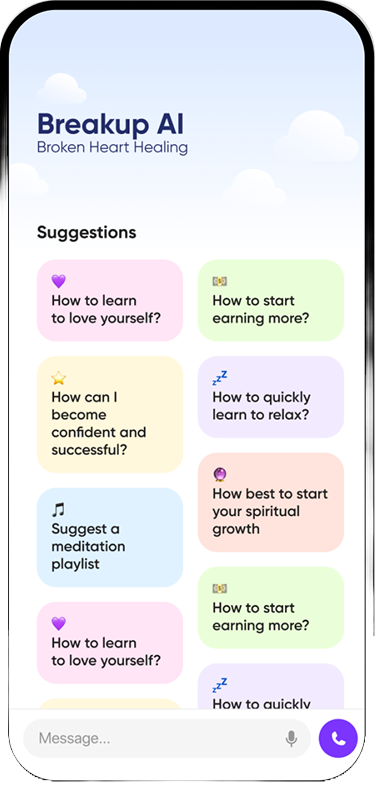
In times of emotional distress, don’t hesitate to seek support and guidance. Resources like Breakup.one offer 24/7 assistance with tailored programs for healing.
Find more at Breakup.one.
Remember, even if it feels otherwise—you’re never truly alone. There’s a brighter backdrop waiting ahead.
The Bottom Line
Heartbreak is a challenging experience that calls for self-care, emotional exploration, and the courage to seek new beginnings. Embrace the journey of healing with kindness towards yourself and the support of those around you. You hold the power to craft a path forward into a brighter future.