



Table of Contents
- The Impact of Heartbreak on Mental Health
- Reconnect with Yourself Through Mindfulness
- Nourish Your Body, Heal Your Soul
- Rediscover Passion: Engage in Creative Activities
- Building a Support Network: The Power of Connection
- Exercise: Uplift Your Spirit and Mind
- Self-Compassion: The Heart of Self-Care
- Transitioning from Pain to Personal Growth
- Embracing Hope: A New Beginning Awaits
Key Takeaways
- Heartbreak significantly impacts mental health, requiring intentional self-care.
- Mindfulness and nutrition can alleviate the emotional pain associated with breakups.
- Creative activities foster self-expression and resilience during tough times.
- Building a support network is crucial for healing and recovery.
- Self-compassion paves the way to personal growth after heartache.
It was a bleak Tuesday evening. Under the soft, golden glow of her bedroom lamp, Maya found herself clutching a well-worn journal. Just days earlier, she had closed a significant chapter of her life—the end of a relationship that spanned over ten years, beginning in the energetic burst of her early twenties. Now, she sat amidst the ruins of heartbreak, pondering how to begin anew, how to care for her aching heart amid the fragments of shattered dreams.
Heartbreak can feel all-encompassing, a fog that clouds every facet of life. Have you ever felt that ache, almost like it’s lodged deep in your bones? It’s as if the emotional pain has a physical presence. Yet, amidst this turmoil lies a chance—a moment to halt, heal, and revitalize your spirit through deliberate self-care practices. Nowadays, self-care isn’t just a trending phrase; it’s essential when navigating emotional storms.
The Impact of Heartbreak on Mental Health
Heartbreak touches more than just our hearts; it deals a heavy blow to our mental wellness. According to research by the American Psychological Association, breakups can induce major depressive episodes, with emotional pain at times mirroring physical discomfort.
“Heartbreak rewires the neural paths similarly to physical pain. It reshapes our self-image and our perspective on life. Our brains need time to process such intense emotions.”
— Dr. Sarah Chen, Clinical Psychologist
Understanding this neural connection can explain why heartache feels so tangible. Fatigue, emotional numbness, irritability—these might sound familiar. Recognizing this basic connection is the first step on the path to healing.
Reconnect with Yourself Through Mindfulness
Facing a breakup can inspire a tumultuous desire to distract oneself. However, there’s wisdom—and sometimes peace—in stillness. Mindfulness, rooted in being present in the moment, can relieve stress and bolster emotional well-being. Interesting fact: a study published in the journal “Emotion” back in 2018 found that mindfulness can significantly alleviate the symptoms of depression and anxiety, which often surge after a breakup.
Start small. Take a mere five minutes each day for mindfulness meditation. Find a comfortable position, focus on your breaths, and when your ex drifts into your thoughts, simply acknowledge without judgment and gently redirect to your breathing. Helpful tools? Apps like Headspace or Calm are often recommended.
Nourish Your Body, Heal Your Soul
During heartbreak, self-care might easily slip away. Eating patterns often mirror how we process emotional storms. Did you know that a balanced diet rich in omega-3s, vitamins, and complex carbs can boost your mood and energy? This wasn’t always common knowledge, but it’s getting around more thanks to health authorities like Harvard.
Maya decided to view nourishment as an act of self-love. She found solace in the rhythmic chopping of vegetables, the alchemy of turning raw ingredients into wholesome meals. If cooking feels daunting, you don’t have to start big. Nutrient-packed smoothies or leafy green salads can be small yet mighty steps to wellness.
Rediscover Passion: Engage in Creative Activities
In times of heartbreak, creative activities can serve as both distraction and self-reconnection.
“Engaging in creativity invites the subconscious to express emotions that elude words.”
— Dr. Emily Hayes, Art Therapist
Creativity breeds resilience, offering a medium for expression.
Explore activities that bring you joy—painting, writing poetry, or even crafting might be the release you need. Whether you’re revisiting old hobbies or discovering new realms, remember: it’s the journey, not the destination, that holds the magic.
Building a Support Network: The Power of Connection
The impulse to isolate during heartache is natural, but connection is a potent healer. A 2011 study from the University of California found that social support positively impacts mental health post-breakup. Reaching out to friends or family for support can make a huge difference.
When words fail, a beloved pet might provide that comforting presence. And hey, if talking feels too much, consider support groups or therapy. They create safe spaces to process your feelings.
Exercise: Uplift Your Spirit and Mind
Exercises, when heartbroken, might feel insurmountable, yet the benefits speak volumes. Physical activity releases endorphins—those feel-good chemicals in your brain. A good counteract against the stress hormone cortisol.
Start with something easy and enjoyable. Whether it’s yoga, a brisk walk, or dancing—anything that brings a bit of lightness to your step can be transformative.
Self-Compassion: The Heart of Self-Care
During heartbreak, our self-narratives can be unforgiving. Self-blame kicks in swiftly, underscoring the need to reframe these thoughts. Recent findings in “Self and Identity” show that self-compassion is tied to greater emotional resilience in tough times.
Try gentle words for yourself, akin to how you’d comfort a dear friend. Maya, finding herself trapped in spirals of self-doubt, embraced affirmations like, “I am enough, just as I am.” Little acts of kindness towards oneself pave the way to true healing.
Transitioning from Pain to Personal Growth
Pain and growth are often intertwined. The path of heartbreak, while daunting, can foster profound personal transformation. Narrative therapy encourages reframing the narrative from growth’s perspective, not loss, enriching self-awareness.
Explore journaling. Pose questions such as, “What have I uncovered about myself?” or “How can this refine my future relationships?” These reflections empower you to reclaim your narrative and stride forward with intent.
Embracing Hope: A New Beginning Awaits
Heartbreak—even at its most intense—is merely a passage, not the conclusion.
“Healing isn’t about wiping out the pain but integrating it into a broader narrative of self-understanding.”
— Dr. Sarah Chen, Clinical Psychologist
For Maya, self-care journey yielded hope and clarity, unearthing a growth potential she never imagined.
If you find yourself amidst heartbreak, remember this: each act of self-care is a step towards resilience. Trust these practices to sow the seeds of renewal, letting your spirit flourish.
The Bottom Line
Each day is a new opportunity to nurture yourself. Heartbreak, while painful, can lead to profound personal growth and empowerment through self-care. Embrace the journey, and trust that with intentional steps, healing and renewal are possible.
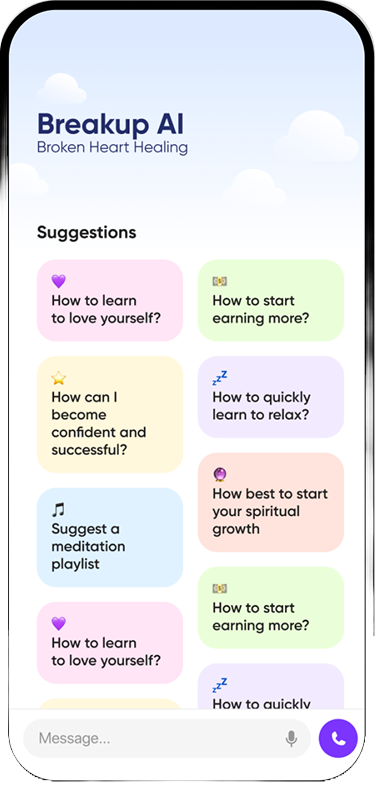
Step into Recovery with Breakup.one. This AI-powered resource offers 24/7 emotional support and guided healing programs, ensuring companionship. Visit https://breakup.one/ to begin your journey of renewal and self-exploration.
References
- American Psychological Association
- Harvard Health
- Emotion
- University of California
- Taylor & Francis