



Table of Contents
- Understanding the Impact of Heartbreak
- Why Self-Care Matters After Heartbreak
- Steps to Rebuild Confidence Through Self-Care
- Embrace Solitude
- Invest in Self-Controlled Joys
- Seek Community and Support
- Set Realistic Goals
- Practice Mindfulness
- Taking Care of Your Physical Body
- Allow Yourself a Grace Period
- The Bottom Line
Key Takeaways
- Heartbreak can deeply impact your self-worth and identity.
- Self-care is essential for emotional healing and rebuilding confidence.
- Engaging in hobbies, seeking support, and practicing mindfulness are vital steps in recovery.
- Physical health contributes significantly to emotional well-being.
- Embrace a grace period for healing; it’s an important part of the recovery process.
Understanding the Impact of Heartbreak
Like so many of us, Maya had romanticized what her relationship could be—a story threaded with shared memories and future dreams. The breakup didn’t just sever the bond with a partner but dismantled her vision of the future. You might find yourself in the same shoes; feeling empty, forsaken, questioning your very self-worth.
“Heartbreak inflicts a profound emotional wound, casting doubt upon one’s identity and self-esteem.”
— Dr. Sarah Chen, Clinical Psychologist at NYU
Heartbreak can batter both your mind and body. The American Psychological Association notes that breakups can spark depressive states, anxiety, and even “broken heart syndrome” (Takotsubo cardiomyopathy) that mimics the throes of a heart attack.
Why Self-Care Matters After Heartbreak
Moving forward post-heartbreak isn’t optional, it’s essential. Self-care is about cradling yourself in a nurturing embrace, allowing time to heal and find your bearings again. Research shows that self-care rituals can soothe stress, elevate your mood, and build resilience—all vital for rekindling confidence. When heartache strips away your sense of self-worth, self-care can glue the pieces back with love and patience.
“Self-care is pivotal in forming a new identity distinct from the past relationship.”
— Dr. Linda Rosenberg, Relationship Therapist
Steps to Rebuild Confidence Through Self-Care
Embrace Solitude
Initial heartbreak can make solitude feel torturous. However, being alone with your emotions is a powerful step toward healing. When Maya first confronted the reality of her divorce, the stillness was overwhelming. Yet, it was within those quiet spaces that her strength emerged.
- Why it works: Solitude affords you the chance to connect with your deepest emotions without external disruptions. Studies from the Mayo Clinic suggest that introspection can ease anxiety and facilitate emotional processing.
- How to do it: Dedicate time for yourself daily. Create a haven in your home—a nook for journaling, meditation, or simply breathing deeply. Pen affirmations that affirm your worth and potential.
Invest in Self-Controlled Joys
You might have set aside once-loved hobbies. Returning to them can be your bridge to joy and self-discovery. When Maya resumed hiking—a passion she’d shelved—she found serenity amidst nature’s grandeur.
- Why it works: Engaging in hobbies can boost dopamine, the neurotransmitter associated with pleasure, and provide a sense of achievement, highlights a Harvard Health study.
- How to do it: Revisit an activity you loved. Carve out weekly slots for it. Push boundaries—learn a new piano piece or tackle a different hiking trail—to nurture your growth narrative.
Seek Community and Support
Healing doesn’t happen in isolation. Often, rebuilding confidence involves finding your tribe. You might hesitate to reach out, fearing you’ll burden others, yet connections can revive your spirit.
- Why it works: Social support plays a vital role in recovery. An NIH study underscores that strong social bonds enhance mental well-being and longevity.
- How to do it: Re-engage with friends or explore support networks. Virtual communities—like Facebook groups or apps such as BetterHelp—offer platforms for engagement and empathy.
Set Realistic Goals
After Maya’s breakup, she began setting achievable daily tasks—simple things like watering her plants or reading a chapter of a book. Each completed task was a small victory.
- Why it works: Meeting such goals boosts serotonin, cultivating a sense of accomplishment and confidence, explains Dr. Michael Stevens, a behavioral psychologist in Boston.
- How to do it: Start slow, with micro-goals: tidying your bed, completing a short workout, or cooking a simple meal. Introduce a new goal weekly, increasing complexity as your confidence fortifies.
Practice Mindfulness
When dealing with heartbreak, the mind often drifts back to better days. Mindfulness trains your focus on the present, reducing obsessive musings.
- Why it works: Mindfulness reduces stress and enhances emotional regulation, according to research from the American Psychological Association.
- How to do it: Make short meditations a morning ritual. Apps like Headspace or Calm can guide you—or step outside for mindful walking, focusing on your breath and each measured stride.
Taking Care of Your Physical Body
Physical health is integral to emotional recovery. Often, nurturing the body aids the healing of the heart.
Exercise Regularly
Exercise allowed Maya to convert frustration into positive energy. Physical activity lowers stress hormones and elevates endorphins.
- Why it works: Regular exercise mitigates anxiety and depression, observes the CDC.
- How to do it: Choose an activity you enjoy—maybe yoga, dance, or jogging. Start with 20-minute sessions, inching forward as you grow more comfortable.
Prioritize Nutrition
Good food does more than fill a stomach; it lifts mood too. While comfort in junk food is tempting, balanced nutrition provides lasting mental benefits.
- Why it works: Nutrients like Omega-3s and serotonin-inducing foods like nuts can stabilize mood, per NIH findings.
- How to do it: Develop a meal plan emphasizing whole, nutritious foods. While occasional indulgences are fine, keep nutritional balance a priority.
Rest and Recuperation
Heavy hearts often struggle to find rest. Yet, rest is vital for healing and energy.
- Why it works: Proper sleep bolsters emotional control and mental acuity (Mayo Clinic).
- How to do it: Establish a consistent sleep routine. Craft a dark, peaceful sleep space. Curb screen time before bed, and consider chamomile tea to wind down.
Allow Yourself a Grace Period
Rebuilding confidence isn’t a sprint but a marathon. Embrace the grace period you need to heal, free from guilt or pressure.
When you invest in self-care deliberately, you weave fortitude into the fabric of your life, emerging stronger and open to love once more.
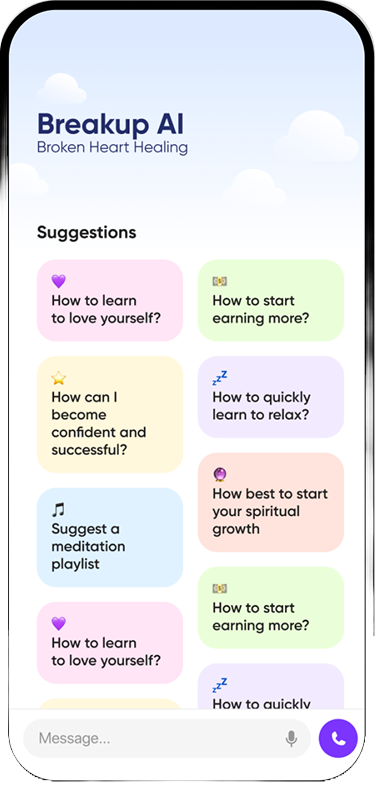
Remember, your current heartache is but a chapter in your larger story. For tailored healing programs and 24/7 emotional support, consider exploring resources like Breakup.one. Rediscover your strength with an AI-driven heartbreak recovery companion.
The Bottom Line
By understanding the intertwined psychology and physiology of heartache—and addressing them with tenderness—you can emerge not only healed but transformed. These small yet profound steps lay the foundation for a renewed confidence, letting you stand tall, resilient, and ready for whatever comes next.